


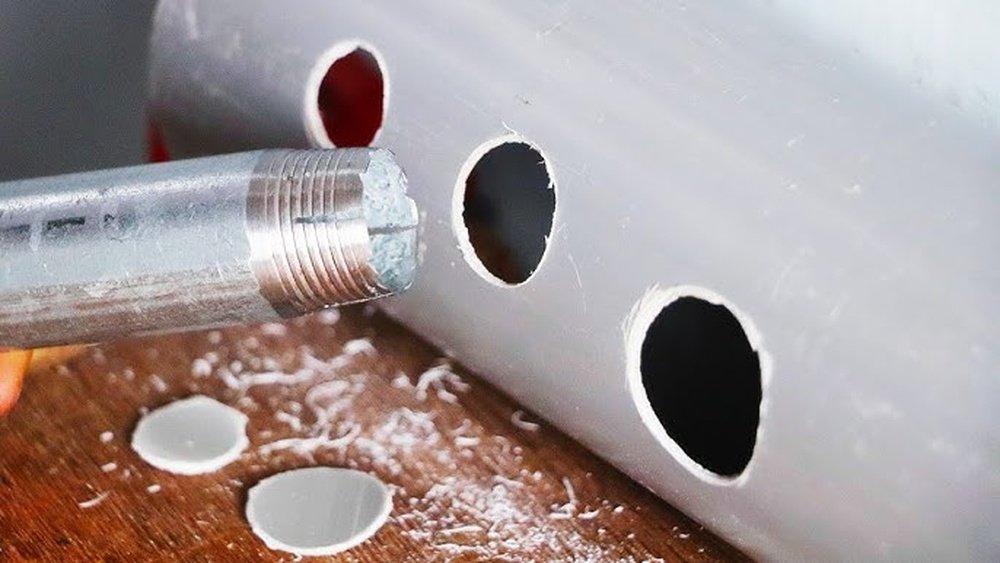
Are you struggling to drill a perfect hole in PVC without cracking or damaging it? You’re not alone.
Drilling into PVC might seem simple, but if you don’t do it right, you could end up wasting time and materials. Imagine easily creating clean, precise holes every time—saving you frustration and making your project look professional. In this guide, you’ll discover simple, step-by-step tips that anyone can follow to drill holes in PVC with confidence.
Keep reading to unlock the secrets that will make your next DIY task smooth and successful.

Credit: diy.stackexchange.com
Choosing The Right Drill And Bit
Choosing the right drill and bit is key to drilling clean holes in PVC. The wrong tools can crack or damage the pipe. The right drill and bit make the job easier and safer.
Understanding the types of drill bits helps pick the best one for PVC. Drill speed and settings also affect the drilling quality and safety.
Types Of Drill Bits For Pvc
Twist drill bits work well for thin PVC pipes. They create smooth, round holes without cracking the material.
Spade bits can make larger holes but risk cracking if used too fast. Use them carefully on thicker PVC.
Step drill bits provide clean holes and smooth edges. They work well for different hole sizes without changing bits.
Selecting Drill Speed And Settings
Use low to medium drill speed to avoid melting PVC. High speeds create heat and can deform the pipe.
Set the drill to a steady, controlled speed. Let the bit cut slowly and steadily into the plastic.
Apply gentle pressure. Forcing the drill can crack or damage the PVC pipe.
Preparing The Pvc Surface
Preparing the PVC surface is a key step before drilling. This ensures a clean and precise hole. Proper preparation reduces the risk of cracking or damaging the material. Follow these easy steps to get your PVC ready for drilling.
Cleaning And Marking The Spot
Start by cleaning the PVC surface. Use a soft cloth and mild soap to remove dirt and grease. A clean surface helps the drill bit stay steady. After cleaning, dry the area completely. Next, mark the exact spot for the hole. Use a permanent marker or pencil. Make a clear, small dot or cross. This mark guides your drill and keeps the hole accurate.
Securing The Pvc Pipe Or Sheet
Hold the PVC firmly before drilling. Use clamps or a vise to secure the pipe or sheet. This stops it from moving during drilling. Moving PVC can cause uneven holes or cracks. Place a piece of scrap wood under the pipe for support. Secure the wood and PVC together. This setup keeps everything stable and safe.
Drilling Techniques For Clean Holes
Drilling clean holes in PVC requires careful technique. The right approach prevents damage and ensures smooth edges. Follow simple steps to achieve neat, precise holes every time. Focus on control, patience, and proper tools.
Starting The Hole With A Pilot Drill
Begin with a small pilot drill bit. It helps guide the larger bit without slipping. Drill slowly to create a clean starting point. This step reduces the chance of cracking the PVC. Use a drill bit designed for plastic for best results.
Applying Steady Pressure
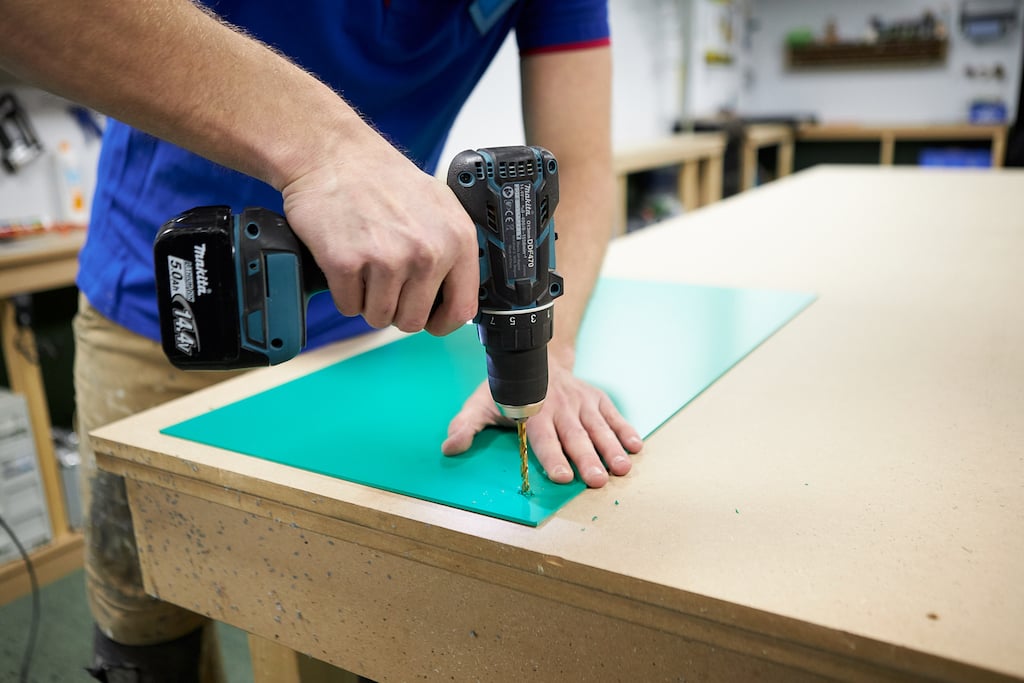
Apply firm but steady pressure while drilling. Push too hard, and the PVC may crack. Push too soft, and the drill bit can wander. Keep the drill straight and steady. Let the drill bit do the cutting, not your force.
Avoiding Cracks And Splits
Keep the PVC supported firmly on a flat surface. Use clamps to hold it steady and prevent movement. Drill at a slow speed to reduce heat build-up. Heat can soften PVC and cause splits. Pause occasionally to let the material cool down.
Finishing And Cleaning The Hole
After drilling a hole in PVC, finishing and cleaning the hole is very important. This step helps the hole look neat and work well. It also makes sure the PVC does not crack or break later. Taking time to finish the hole improves the strength and safety of your project.
Removing Burrs And Rough Edges
Burrs and rough edges appear after drilling. These small plastic pieces can cause problems. Use a deburring tool or sandpaper to smooth the edges. Move gently around the hole’s edge. This removes sharp parts and makes the hole safe to handle. A clean edge stops cracks from spreading.
Checking The Hole Size And Shape
Check the hole size with a ruler or caliper. Make sure the hole matches your needed size. Also, look at the shape. The hole should be round and smooth. If the hole is too small, use the drill bit to widen it carefully. If it is uneven, gently sand the edges to fix the shape. A perfect hole fits parts better and works well in your project.
Safety Tips During Drilling
Drilling holes in PVC requires care and attention to avoid accidents. Safety should always come first. Small mistakes can cause injuries or damage. Follow these safety tips to protect yourself and work efficiently.
Protective Gear To Use
Wear safety goggles to protect your eyes from flying debris. Dust and plastic chips can cause serious eye injuries. Use gloves to protect your hands from sharp edges and heat. A dust mask helps keep dust out of your lungs. Long sleeves can protect your arms from scratches. Always dress properly before starting your project.
Safe Handling Of Tools
Hold the drill firmly with both hands. Keep your fingers away from the drill bit. Use a clamp or vise to secure the PVC pipe. This stops the pipe from moving while drilling. Start drilling slowly to keep control. Avoid forcing the drill; let it work naturally. Turn off the drill before changing bits or adjusting the pipe. Always check the drill bit for damage before use.
Credit: plasticsheetsshop.co.uk
Common Mistakes To Avoid
Drilling holes in PVC pipes might seem easy. Yet, many make mistakes that damage the material or cause poor results. Avoiding these common errors helps you drill clean holes without cracks or rough edges. Pay attention to the details below for better results.
Overheating The Pvc
Drilling too fast creates heat. PVC melts and warps under high temperatures. Use slow, steady drilling to keep the plastic cool. Stop and let the pipe cool if it feels hot. Overheating weakens the pipe and ruins the hole.
Using The Wrong Drill Bit
Not all drill bits work well on PVC. High-speed steel bits or wood bits are best. Using metal bits designed for steel can crack the pipe. A sharp, clean bit cuts smoothly without tearing the plastic. Change bits if they become dull.
Ignoring Support And Stability
Hold the pipe firmly while drilling. Unstable pipes move and cause uneven holes. Use a clamp or place the pipe on a flat surface. Support prevents slips and keeps the drill bit straight. This ensures a clean, accurate hole every time.

Credit: www.instructables.com
Frequently Asked Questions
How Do I Drill A Hole In Pvc Pipe Safely?
Use a sharp drill bit designed for plastic. Secure the PVC pipe firmly. Drill slowly to avoid cracking or melting the pipe.
What Drill Bit Size Is Best For Pvc?
Choose a drill bit slightly smaller than the desired hole. This helps prevent cracking and ensures a clean hole in PVC.
Can I Use A Regular Drill On Pvc?
Yes, a regular drill works well. Use a low speed and steady pressure to avoid damaging the PVC.
How To Prevent Pvc From Cracking When Drilling?
Clamp the PVC pipe securely. Drill at low speed with a sharp bit. Avoid applying excessive pressure.
Conclusion
Drilling a hole in PVC is simple with the right tools and care. Use a sharp drill bit and steady pressure for clean results. Always mark the spot before you start drilling. Keep the PVC stable to avoid cracks or damage.
Take your time and work safely. With these tips, you can handle PVC drilling easily at home. Practice makes perfect, so don’t rush. Soon, you’ll feel confident doing this task yourself.
