


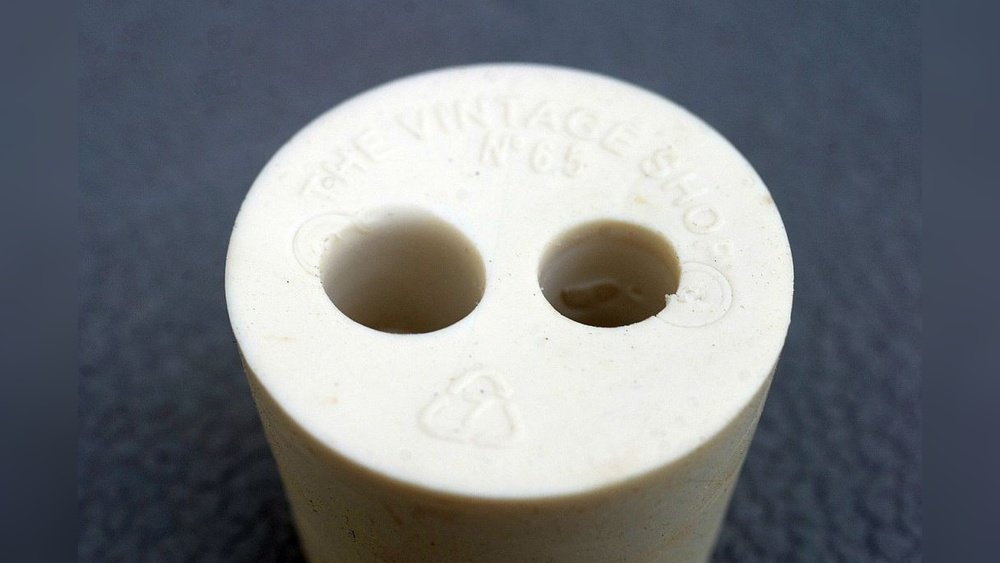
Are you struggling to drill a hole in silicone without ruining your project? You’re not alone.
Silicone is soft and flexible, which makes it tricky to handle with regular tools. But don’t worry—there’s a simple way to get a clean hole every time. You’ll discover easy, step-by-step tips to drill through silicone safely and effectively. Keep reading, and you’ll master this skill in no time.
Your next DIY project will thank you!

Credit: justiceorelse.com
Choosing The Right Tools
Choosing the right tools is crucial for drilling a clean hole in silicone. Silicone is soft and flexible, so the wrong tools can tear or damage it. Proper tools help create precise holes without stretching or tearing the material. This section covers how to select the best drill bit and the recommended types of drills for silicone.
Selecting The Drill Bit
Use a sharp drill bit made for soft materials. A standard wood or metal bit may cause tearing. A brad point bit works well because it has a sharp tip that keeps the bit steady. Small bits around 1/8 to 1/4 inch suit most silicone projects. Avoid large bits that can stretch the hole too much.
Recommended Drill Types
A handheld electric drill is usually the best choice. It offers control over speed and pressure. Use a drill with variable speed settings to avoid melting the silicone. A cordless drill is easy to handle and portable. Avoid hammer drills as they can damage silicone with their impact action.

Credit: www.aliexpress.com
Preparing The Silicone Surface
Preparing the silicone surface is a crucial step before drilling a hole. It helps ensure the drill bit stays steady and the hole is clean. Taking time to prepare reduces mistakes and damage to the silicone.
Cleaning The Area
Start by cleaning the silicone surface. Use a mild soap and water to remove dirt and oils. Rinse well and dry completely with a clean cloth. A clean surface helps the drill bit grip better and prevents slipping.
Marking The Drill Spot
Next, mark the exact spot for the hole. Use a fine-tip marker or a pencil. Make a small, clear dot to guide the drill. This helps keep the drill bit in place and makes drilling easier.
Setting Up Your Workspace
Setting up your workspace is the first step before drilling a hole in silicone. A clean and organized area helps you work safely and precisely. Preparing the space reduces mistakes and keeps the silicone steady. It also makes the drilling process smoother and faster.
Securing The Silicone
Hold the silicone firmly to stop it from moving. Use clamps or a vise to keep it steady. Place a soft cloth or rubber pad under the silicone to protect it. This prevents slipping and damage while drilling. Secure silicone means cleaner, more accurate holes.
Ensuring Safety Measures
Wear safety glasses to protect your eyes from debris. Use a dust mask if silicone dust forms during drilling. Keep your hands away from the drill bit at all times. Work in a well-lit area to see clearly. Safety makes the job easier and prevents accidents.
Drilling Techniques For Silicone
Drilling into silicone requires special care and technique. Silicone is soft and flexible, so it can tear or stretch easily. Using the right drilling methods helps create a clean hole without damaging the material. Follow these tips to work effectively and safely with silicone.
Adjusting Drill Speed
Use a low drill speed to avoid melting silicone. High speeds create heat, which can damage the material. Slow drilling helps keep the silicone cool and steady. This control reduces the chance of tearing or uneven holes.
Using Steady Pressure
Apply gentle, steady pressure on the drill. Pressing too hard can stretch or rip the silicone. Let the drill do the work. Keep your hands steady to guide the drill straight through the silicone.
Handling Common Issues
Drilling holes in silicone can be tricky. Problems like tearing and drill bit slipping often happen. These common issues can cause damage or make the hole uneven. Knowing how to handle them will help you get a clean, smooth hole every time.
Avoiding Tears And Deformations
Silicone is soft and flexible. It can tear easily if you use too much pressure. Use a slow drill speed to reduce stress on the material. Start with a small pilot hole before drilling the full size. Support the silicone from underneath to keep it stable. Avoid pulling or stretching the silicone during drilling. These steps keep the silicone strong and prevent warping.
Dealing With Drill Bit Slippage
Drill bit slipping can ruin the hole and waste time. To stop slipping, mark the spot with a sharp tool before drilling. Use a drill bit designed for soft materials to get a better grip. Hold the drill steady and apply gentle, even pressure. A piece of tape over the drill spot can add extra grip. These tips help the drill start right and stay in place.

Credit: www.metalclay.co.uk
Finishing Touches
After drilling a hole in silicone, the work is not done yet. Finishing touches help make the hole clean and safe. These steps improve the look and function of the hole. Take your time to finish well.
Cleaning The Hole
Remove any loose silicone pieces inside the hole. Use a soft brush or compressed air to clear the area. This stops dirt and dust from building up. Clean holes help silicone keep its shape and work better.
Smoothing Edges
Check the edges around the hole for rough spots. Use fine sandpaper or a small file to smooth them. Smooth edges prevent cuts or damage to other materials. Be gentle to avoid making the hole bigger.
Frequently Asked Questions
How Do You Safely Drill A Hole In Silicone?
Use a sharp drill bit and low speed to avoid tearing. Secure the silicone on a stable surface. Mark the drilling spot clearly. Apply gentle pressure and drill slowly to prevent damage and ensure a clean hole.
What Drill Bit Is Best For Silicone Material?
A sharp, high-speed steel (HSS) or carbide drill bit works best. These bits cut through silicone smoothly without causing tearing or deformation. Avoid dull or rough bits to maintain a clean hole and prevent damage.
Can I Drill Silicone Without Tearing It?
Yes, by using low drill speed and steady pressure. Secure the silicone to prevent movement. Pre-mark the hole area to guide the drill. Avoid forcing the drill to reduce the risk of tearing.
Should I Prepare Silicone Before Drilling?
Yes, clean the silicone surface and mark the drilling spot. Use tape over the spot to reduce tearing. Secure the silicone firmly on a flat surface. Proper preparation ensures a precise and clean hole.
Conclusion
Drilling a hole in silicone is simple with the right steps. Use a sharp drill bit and steady hands. Take your time to avoid tearing or cracking. Keep the silicone clean and dry before starting. Practice on a scrap piece if unsure.
Care and patience make the process smooth. Follow these tips for neat, precise holes every time. Silicone can be tricky, but you can handle it well. Now, you are ready to drill holes with confidence and ease.
