


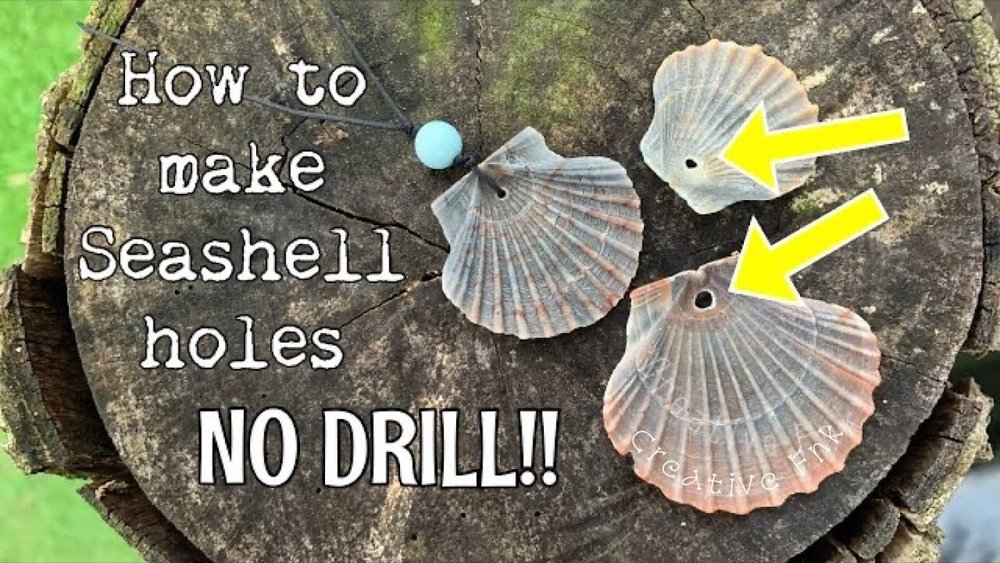
Have you ever wanted to turn a beautiful seashell into a unique piece of jewelry or a special decoration? Knowing how to drill a hole into a seashell is the key to unlocking endless creative possibilities.
But it can be tricky if you don’t have the right technique. Don’t worry—this guide will walk you through simple steps to safely and easily drill holes in your seashells. By the end, you’ll have the confidence to create stunning crafts that stand out.
Let’s get started!
Choosing The Right Seashell
Choosing the right seashell is key before drilling a hole. Not all shells are strong enough. Some break easily and waste your time and effort. Picking a good shell makes your project smooth and fun. It helps avoid cracks and damage while drilling.
Selecting Durable Shells
Pick shells that feel heavy for their size. Thick shells are usually stronger. Look for shells with smooth surfaces and no soft spots. These shells can handle drilling without breaking. Hard shells last longer in crafts and jewelry.
Avoiding Fragile Or Cracked Shells
Stay away from thin or brittle shells. These break quickly under pressure. Check for any cracks or chips before starting. Even small cracks can cause the shell to split. Choose shells with no visible damage for best results.

Credit: www.youtube.com
Gathering Essential Tools
Before drilling a hole in a seashell, gather the right tools. Using proper tools helps you work safely and get good results. Preparing well also protects your seashell from cracking. Start by choosing the correct drill bits and other helpful tools.
Types Of Drill Bits Suitable For Shells
Use drill bits made for delicate materials. Diamond-tipped bits work well on seashells. They cut smoothly without breaking the shell. Another good option is carbide bits. They are strong and create clean holes. Avoid regular metal bits, as they may crack the shell. Small drill bits, around 1 to 3 millimeters, give better control.
Additional Tools To Prepare
Besides drill bits, gather other tools for safety and ease. A drill with variable speed helps you work slowly. Use painter’s tape on the shell to stop slipping. A clamp or soft vise holds the shell steady. Wear safety goggles to protect your eyes from dust. Keep water nearby to cool the drill bit and shell. This prevents heat damage during drilling.
Preparing The Seashell
Preparing the seashell before drilling is an important step. It helps protect the shell and makes the drilling process easier. Proper preparation also reduces the risk of cracking or breaking the shell.
Cleaning And Drying
Start by cleaning the seashell with warm water. Use a soft brush to remove dirt and debris. Avoid harsh chemicals that can damage the shell’s surface. After cleaning, dry the shell completely. Use a soft cloth or let it air dry. A dry shell is less likely to slip while drilling.
Marking The Drilling Spot
Choose the spot where you want to drill the hole. Look for a flat or slightly curved area. Avoid thin or fragile parts of the shell. Mark the spot gently with a pencil or a fine-tip marker. This mark guides your drill and helps keep the hole in the right place.
Setting Up A Safe Workspace
Setting up a safe workspace is the first step to drilling a hole in a seashell. Safety and stability matter. A good workspace helps you work carefully and avoid accidents. Prepare your area to keep tools and shells steady. Clean space helps you focus on the task. Clear away clutter and find a flat surface.
Protective Gear To Use
Wear safety glasses to protect your eyes from dust. Use a dust mask to avoid breathing small particles. Gloves help protect your hands from sharp edges. Choose gloves that fit well and allow good grip. Proper gear keeps you safe during drilling.
Stabilizing The Shell
Hold the shell firmly to prevent slipping. Use a small clamp or place the shell on a soft cloth. The cloth stops it from moving and cushions the shell. Keep the shell steady before starting to drill. This step prevents damage to the shell and injury.
Drilling Techniques
Drilling a hole into a seashell requires careful technique to avoid cracks or breaks. Using the right drilling methods helps keep the shell intact. It also makes the process smoother and safer.
Starting With A Pilot Hole
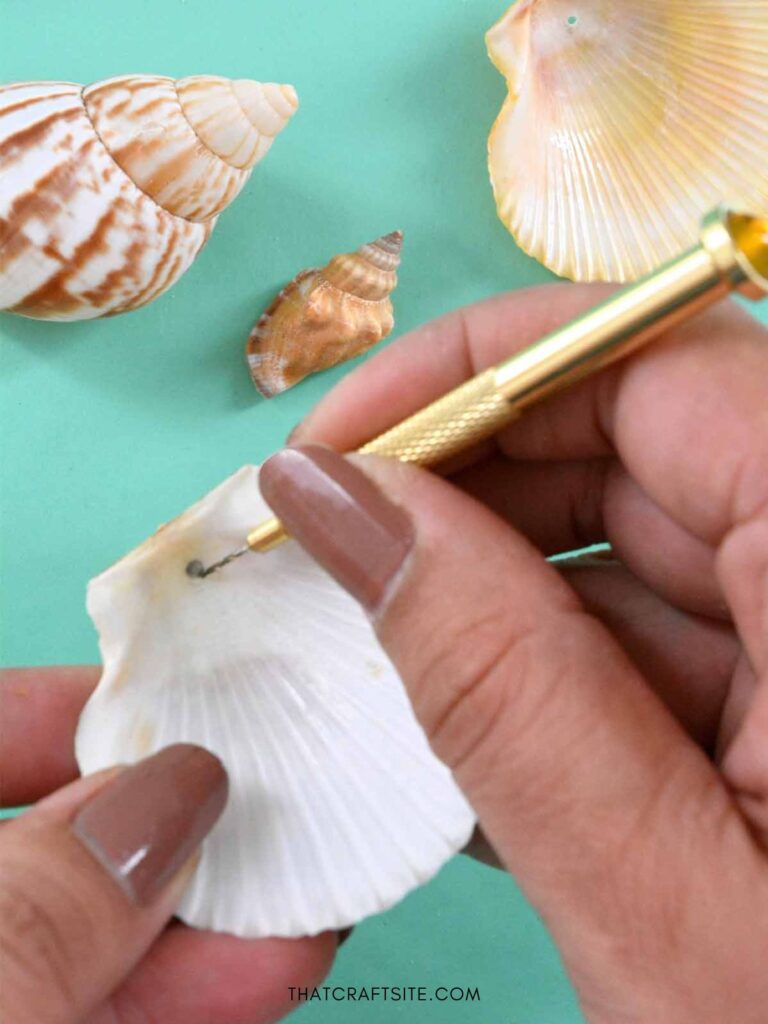
Begin by making a small pilot hole in the shell. This guides the drill bit and prevents slipping. Use a fine drill bit for this first step. Lightly tap the shell to mark the spot. A pilot hole makes the next drilling steps easier and more precise.
Controlling Drill Speed
Keep the drill speed low and steady. High speeds create heat, which can crack the shell. Slow drilling helps maintain control and reduces damage. Adjust the speed based on the shell’s thickness and hardness. Consistent speed leads to a cleaner hole.
Applying Gentle Pressure
Press the drill gently against the shell. Heavy pressure may cause the shell to break. Let the drill do the work slowly and carefully. Firm but light pressure improves accuracy. Pausing occasionally helps cool the shell and drill bit.

Credit: thatcraftsite.com
Preventing Shell Damage
Drilling a hole into a seashell requires care to avoid cracks or breaks. Seashells are delicate, and wrong handling can cause damage. Taking simple steps helps keep the shell intact while drilling.
Using Water As Lubricant
Water cools the shell and drill bit. It reduces friction and stops heat build-up. Keep the shell wet during drilling. Use a small brush or spray bottle to apply water. This method lowers the risk of cracking.
Avoiding Overheating
Heat weakens the shell and causes cracks. Drill slowly with light pressure to prevent heat. Take breaks to let the shell cool down. Use a low drill speed to avoid overheating. This approach protects the shell’s strength and shape.
Finishing Touches
After drilling a hole into your seashell, the final steps matter a lot. Finishing touches make your seashell safe and ready to use. These steps also improve the look and feel of the shell. Take your time to smooth rough edges and clean up debris.
Smoothing Rough Edges
Drilling can leave sharp or rough edges around the hole. These edges might scratch your skin or catch on fabric. Use fine sandpaper or a nail file to gently smooth the hole’s edges. Move the sandpaper in small circles. Check often to avoid sanding too much. This step makes the hole neat and safe.
Cleaning Up Debris
Drilling creates small dust and shell pieces around the hole. These bits can spoil your project’s look and feel. Use a soft brush or a damp cloth to remove all dust. Blow gently inside the hole to clear tiny particles. Clean shells look fresh and bright, ready for your craft or jewelry.
Tips For Perfect Results
Drilling a hole in a seashell requires care and skill. Small mistakes can cause cracks or breaks. Follow these tips to get clean, perfect holes every time. They help you work safely and protect your shells.
Practicing On Spare Shells
Start with extra shells before working on your favorite ones. Practice helps you learn the right speed and pressure. It also shows how your drill and bit work on shells. You can avoid damaging valuable shells this way.
Patience And Precision
Go slow and steady while drilling. Rushing can cause cracks or uneven holes. Keep the drill steady and apply light pressure. Take breaks to cool the shell if it feels warm. Accuracy matters more than speed for perfect results.
Credit: thatcraftsite.com
Frequently Asked Questions
How Do I Safely Drill A Hole In A Seashell?
Use a small drill bit and secure the shell firmly. Drill slowly with light pressure to avoid cracking. Keep the shell wet to reduce heat and prevent damage.
What Tools Are Best For Drilling Seashells?
A handheld rotary tool or a small electric drill with a diamond or carbide bit works best. These tools provide precision and control needed for delicate shells.
How Can I Prevent Seashells From Breaking While Drilling?
Clamp the shell gently on a soft surface. Drill at low speed and steady pressure. Cooling the shell with water during drilling helps prevent cracks.
What Size Drill Bit Should I Use For Seashell Holes?
Choose a drill bit size based on your project needs. Typically, 1-3mm bits work well for jewelry or crafts. Smaller bits reduce the risk of shell damage.
Conclusion
Drilling a hole into a seashell is simple with the right steps. Take your time and use gentle pressure. Choose the correct drill bit for best results. Always protect the shell and yourself during drilling. Practice on a few shells to build confidence.
Soon, you can create beautiful crafts or jewelry. Enjoy the process and have fun with your seashell projects. Keep these tips in mind for safe and clean holes every time.
