


If you need to drill a hole through steel, you might feel unsure where to start. Steel is tough and can be tricky to work with, but with the right tools and techniques, you can do it yourself safely and efficiently.
Imagine saving time and money by mastering this skill on your own. In this guide, you’ll discover simple steps and expert tips that make drilling through steel easier than you think. Keep reading, and by the end, you’ll be confident to handle your project like a pro.
Credit: www.clickmetal.co.uk
Choosing The Right Tools
Choosing the right tools is key to drilling through steel safely and effectively. The correct tools make the job easier and prevent damage to the material or the drill itself. Using the wrong tools can cause frustration and wasted time. Here’s a guide to help you pick the best equipment for drilling steel.
Selecting Drill Bits For Steel
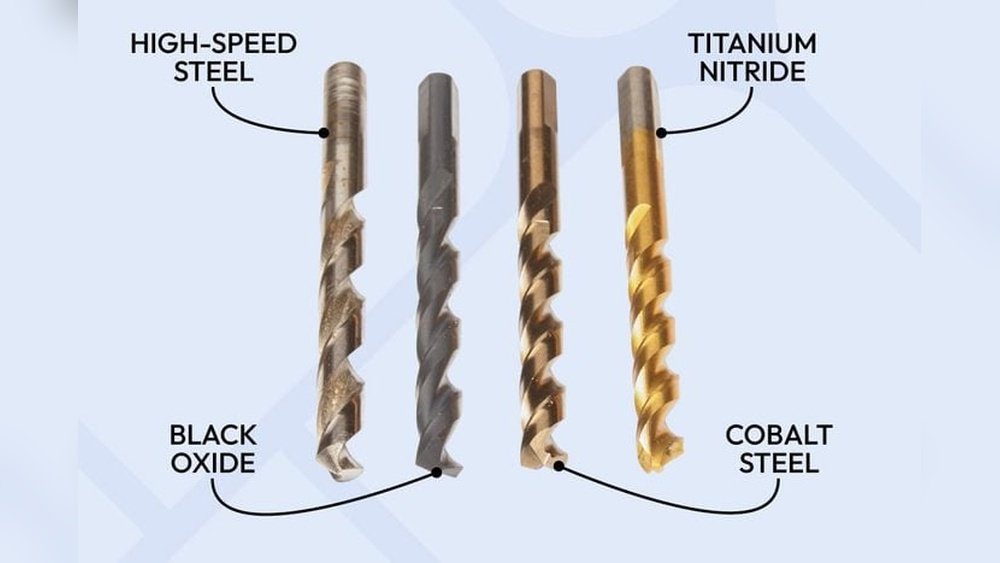
Use drill bits made specifically for metal. High-speed steel (HSS) bits work well for thin steel sheets. For thicker steel, cobalt bits are stronger and last longer. Titanium-coated bits reduce friction and stay sharp. Avoid using wood or masonry bits on steel. Always check the drill bit size matches the hole you need.
Essential Drill Types
A corded drill usually offers more power for steel. Cordless drills can work but need a strong battery. A drill with adjustable speed settings helps control the drilling process. Lower speeds reduce heat and increase bit life. Hammer drills are not suitable for steel as they can damage the bit.
Necessary Safety Equipment
Wear safety goggles to protect your eyes from metal shards. Gloves protect your hands but keep them tight to avoid catching in the drill. Use ear protection if drilling for a long time. A clamp or vise holds the steel steady. This prevents slipping and keeps your hands safe.
Preparing The Steel Surface
Preparing the steel surface is a key step before drilling a hole. This step helps ensure accuracy and safety. It also prevents damage to your tools and the steel piece. Proper preparation makes the drilling process smoother and faster.
Marking The Drill Spot
Start by marking the exact spot where you want to drill. Use a permanent marker or a scribe for a clear mark. Double-check the position to avoid mistakes. A precise mark guides the drill bit and keeps the hole straight.
Securing The Steel Piece
Hold the steel piece firmly to stop movement during drilling. Use clamps or a vise for a strong grip. This keeps the steel steady and protects your hands. A steady piece helps you drill a clean and accurate hole.
Applying Lubricants
Apply a lubricant to the drill spot before drilling. Oil or cutting fluid works well to reduce heat. Lubricants help the drill bit cut through steel easily. This prevents the bit from wearing out too fast.
Drilling Techniques
Drilling through steel requires careful techniques to get clean and precise holes. Using the right methods helps avoid damage to the drill bit and the metal. This section covers key drilling techniques that improve your results and make the job easier.
Setting The Drill Speed
Set the drill speed low when drilling steel. High speeds create heat that can dull the bit quickly. A slow and steady pace helps keep the bit cool. Use a drill speed between 300 and 1000 RPM depending on the bit size. Larger bits need slower speeds.
Maintaining Proper Pressure
Apply firm but gentle pressure on the drill. Too much force can break the bit or damage the steel. Too little pressure will slow drilling and wear the bit. Let the drill bit do the cutting. Keep steady pressure and avoid pushing hard.
Using Pilot Holes
Start with a small pilot hole before drilling the final size. Pilot holes guide the larger bit and reduce stress. They help prevent the bit from slipping on the steel surface. Drill a small hole first, then switch to the bigger drill bit.

Credit: www.youtube.com
Avoiding Common Mistakes
Drilling through steel can be tricky without the right steps. Mistakes can cause damage to your tools or workpiece. Avoiding common errors ensures a clean hole and safer work. Learn how to prevent issues before they happen.
Preventing Bit Overheating
Steel heats up fast during drilling. Too much heat can ruin the drill bit. Use cutting oil to keep the bit cool. Drill slowly and apply steady pressure. Let the bit rest if it gets hot. Overheating weakens the bit and makes drilling harder.
Dealing With Bit Slippage
Slipping bits cause uneven holes and damage the steel. Start with a small pilot hole to guide the drill. Use a center punch to mark the spot. Keep the drill steady and straight. A sharp bit grips better and reduces slipping.
Handling Burrs And Sharp Edges
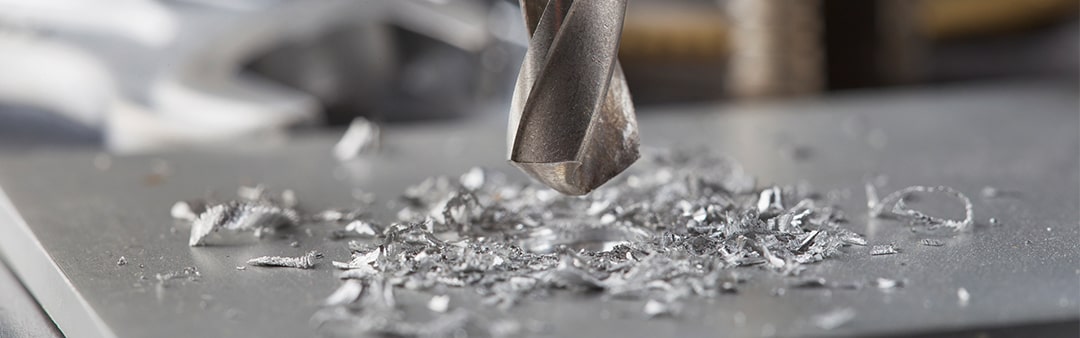
Drilling leaves rough edges around the hole. Burrs can cut your hands or cause fitting issues. Use a deburring tool or file to smooth edges. Clean the hole after drilling to remove metal shavings. Safe handling prevents injuries and improves the final look.
Post-drilling Care
After drilling a hole through steel, proper care is essential. It ensures the hole stays clean and strong. Proper post-drilling care prevents rust and damage. It also prepares the hole for any further work. Follow simple steps to maintain the hole’s quality and safety.
Cleaning The Hole
Remove all metal shavings and debris from the hole. Use a brush or compressed air for thorough cleaning. Clean the edges to prevent sharp burrs. This step reduces the risk of injury and ensures smooth finishes.
Inspecting For Defects
Look closely for cracks, chips, or rough edges around the hole. Use a magnifying glass for a better view. Small defects can weaken the steel and cause problems later. Fix any issues before moving on to the next step.
Finishing Touches
Deburr the hole edges with a file or deburring tool. This makes the hole safer and more attractive. Apply a rust-preventive coating to protect the steel. Proper finishing extends the life of the drilled hole.

Credit: www.wikihow.com
Frequently Asked Questions
What Tools Are Best For Drilling Steel Holes?
The best tools are high-speed steel (HSS) drill bits or cobalt drill bits. Use a power drill or drill press for precision. Lubricate the bit with cutting oil to reduce heat and extend bit life.
How Do I Prevent Steel From Overheating While Drilling?
Apply cutting oil regularly to cool the drill bit. Drill at a slow speed to avoid friction heat. Take breaks to let the metal and bit cool down during drilling.
What Drill Speed Is Ideal For Steel?
Use a slow drill speed, typically between 300 and 1000 RPM. Slower speeds prevent overheating and bit dulling. Adjust speed depending on steel thickness and drill bit type.
How Can I Keep The Drill Bit From Slipping On Steel?
Mark the drilling spot with a center punch to create a small dent. This helps keep the drill bit in place and prevents slipping. Start drilling slowly and increase speed gradually.
Conclusion
Drilling through steel needs care and the right tools. Use sharp drill bits and steady pressure. Keep the metal cool with oil or water. Take breaks to avoid overheating the drill. Always wear safety gear to protect yourself. Practice on scrap metal before the real work.
Follow these steps for clean, accurate holes every time. With patience, you will get better and faster. Safe drilling leads to good results and less frustration.
