


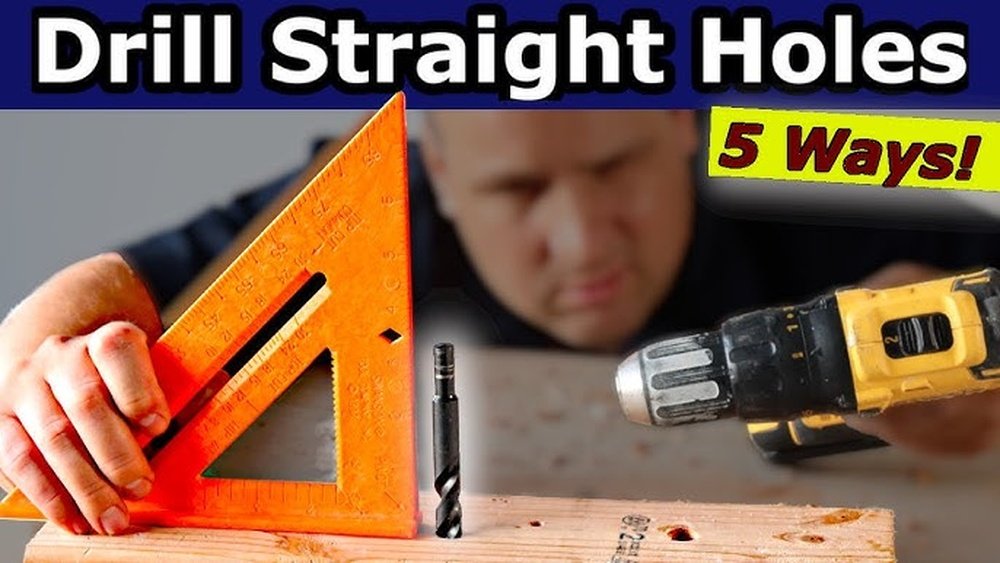
Have you ever tried to drill a hole only to find it’s crooked or uneven? It’s frustrating when your project doesn’t turn out just right because the hole isn’t level.
You might think you need expensive tools like a drill press to fix this, but that’s not true. You can drill a perfect, level hole using simple tricks and tools you probably already have. Keep reading, and you’ll learn easy, practical steps to make sure every hole you drill is straight and precise—no fancy equipment needed.

Credit: www.youtube.com
Choosing The Right Drill And Bit
Choosing the right drill and bit is key to drilling a level hole without a drill press. The right tools give better control and accuracy. This helps avoid mistakes and keeps your project neat. Understanding different drills and bits makes your work easier.
Types Of Drills For Manual Use
Hand drills are simple and easy to control. They work well for small jobs. Cordless drills offer more power and freedom to move. They are good for most tasks. Corded drills provide constant power but need an outlet. Choose a drill that feels comfortable and fits your job size.
Selecting Drill Bits For Precision
Twist bits are common and work on many materials. They are good for straight holes. Brad point bits have sharp tips for precise starts. These bits reduce slipping on wood. For clean holes, use Forstner bits. They make smooth, flat-bottom holes. Pick bits that match your drilling needs.
Material Considerations For Drill Bits
High-speed steel bits suit wood and soft metals. Carbide bits last longer and cut hard materials well. Titanium-coated bits resist heat and wear. Match the bit material to your workpiece. Using the right bit material extends tool life and improves hole quality.
Credit: www.reddit.com
Preparing Your Workspace
Preparing your workspace is the first step to drill a level hole without a drill press. A well-prepared area helps you work safely and accurately. It reduces mistakes and makes the task easier. Follow these tips to get your workspace ready.
Setting Up A Stable Work Surface
Choose a flat and solid surface to work on. A sturdy table or workbench works best. Avoid shaky or uneven surfaces that can cause wobbling. Place a thick piece of wood or a board on the table. This will support your project and prevent damage to your surface.
Marking The Hole Location Accurately
Use a pencil or marker to mark the exact spot for the hole. Measure twice to ensure the mark is correct. Use a square or ruler to keep the mark straight and aligned. A small indentation with a nail or awl helps guide the drill bit. This keeps the drill from slipping during drilling.
Using Clamps For Safety And Stability
Secure your workpiece with clamps before drilling. Clamps hold the material firmly and stop it from moving. This ensures a cleaner and more accurate hole. Use clamps that fit your workspace and project size. Tighten them enough to keep the piece steady but avoid damaging it.
Techniques For Level Drilling
Drilling a level hole without a drill press needs careful technique. Precision is key to avoid uneven holes. Several simple tools and methods can help maintain accuracy. These techniques make the task easier and improve the final result.
Using A Spirit Level Or Bubble Level
A spirit level helps check if the drill is straight. Place the level on the drill or the work surface. Adjust the drill until the bubble is centered. This shows the drill is perfectly horizontal. Keep the level steady during drilling for best results.
Employing A Drill Guide Or Jig
A drill guide or jig holds the drill steady. It controls the angle and keeps the drill in place. You can buy one or make a simple jig at home. Attach the guide to your workpiece for support. This tool reduces wobbling and improves hole accuracy.
Hand Positioning And Drill Control Tips
Hold the drill with both hands for better control. Keep your hands steady and apply even pressure. Start drilling slowly to keep the drill bit steady. Stop and check the angle often during drilling. A firm grip and slow speed help create level holes.
Alternative Tools And Methods
Drilling a level hole without a drill press is possible with the right tools and techniques. Alternative tools and methods help keep your drill steady and straight. These options offer control and accuracy for your project. You do not need expensive equipment to get good results.
Using A Hand Brace For Controlled Drilling
A hand brace gives you more control than a power drill. It moves slower and allows precise pressure. Hold the brace firmly and keep it vertical. This tool helps guide the bit straight into the material. It works well for small holes and soft wood. You can feel the bit cutting and adjust your angle easily.
Leveraging A Square Or Carpenter’s Level
Use a square or carpenter’s level to check your drilling angle. Place the tool against the drill or workpiece to guide your bit. This helps keep your hole straight and level. Move slowly and watch the level bubble or square edge. Adjust your position to keep the drill perfectly aligned. This method improves accuracy without extra tools.
Diy Drill Stands And Guides
Make a simple drill stand or guide for better stability. Use wood blocks or clamps to hold the drill steady. Create a frame that keeps the drill vertical during use. This setup mimics a drill press and helps with straight holes. It is cheap and easy to build with basic materials. DIY guides reduce wobble and improve hole quality.
Common Mistakes To Avoid
Drilling a level hole without a drill press can be tricky. Mistakes can cause uneven holes or damage your workpiece. Knowing common errors helps you avoid them and get better results. Here are some key mistakes to watch out for.
Misalignment And Angle Errors
Starting the drill at the wrong angle leads to slanted holes. Keep the drill bit straight and aligned with your mark. Use a guide or square to check the angle. Small shifts can make big differences. Take your time to position the drill properly.
Applying Excessive Pressure
Pushing too hard can break the drill bit or damage the material. Let the drill do the work with steady, gentle pressure. Pressing too much causes wobbling, which makes holes uneven. Keep a firm but light grip to maintain control.
Ignoring Safety Precautions
Skipping safety steps can cause injuries. Always wear safety glasses to protect your eyes from debris. Secure your workpiece with clamps so it does not move. Keep your hands away from the drill bit path. Safety is important for every drilling task.
Credit: www.reddit.com
Finishing Touches
After drilling a hole without a drill press, the work is not done. Finishing touches improve the hole’s look and function. These final steps ensure the hole fits perfectly and lasts long. Taking time to clean and check the hole helps avoid problems later.
Cleaning Up The Hole Edges
Remove rough edges with sandpaper or a file. Smooth edges prevent splinters and damage. Use light, even strokes around the hole. This step makes the hole safe to handle. Clean edges also help parts fit better.
Checking Hole Alignment Post-drilling
Use a ruler or square to check the hole position. Make sure the hole is straight and centered. Measure from different sides for accuracy. Correct alignment avoids problems in assembly. Small mistakes here can cause big issues later.
Tips For Repeating Accurate Holes
Mark each hole spot clearly before drilling. Use a template or guide to keep holes consistent. Drill slowly and steady for best results. Double-check measurements before starting each hole. Consistency saves time and keeps your project neat.
Frequently Asked Questions
How Can I Drill A Level Hole Without A Drill Press?
Use a level guide or a drill guide attachment to keep the drill steady. Mark the spot clearly. Drill slowly and check alignment frequently to maintain accuracy.
What Tools Help Drill Straight Holes Manually?
A bubble level, drill guide, or a carpenter’s square can help. These tools stabilize your drill and ensure the hole stays perpendicular to the surface.
How To Prevent Drill Bit Wobbling Without A Drill Press?
Secure the workpiece firmly and hold the drill with both hands. Start drilling at a slow speed to maintain control and reduce wobble.
Can A Homemade Jig Assist In Drilling Level Holes?
Yes, you can create a simple jig using wood blocks or a metal guide. This jig keeps the drill bit aligned for consistent, level holes.
Conclusion
Drilling a level hole without a drill press is simple with the right steps. Take your time and use a guide to keep the drill steady. Mark your spot clearly before you start. Check your angle often to stay accurate.
Practice on scrap wood to build confidence. These tips help you create straight holes every time. Small efforts lead to better results and cleaner work. Keep your tools sharp and your workspace clear. Now, you can drill level holes without needing special machines.
