


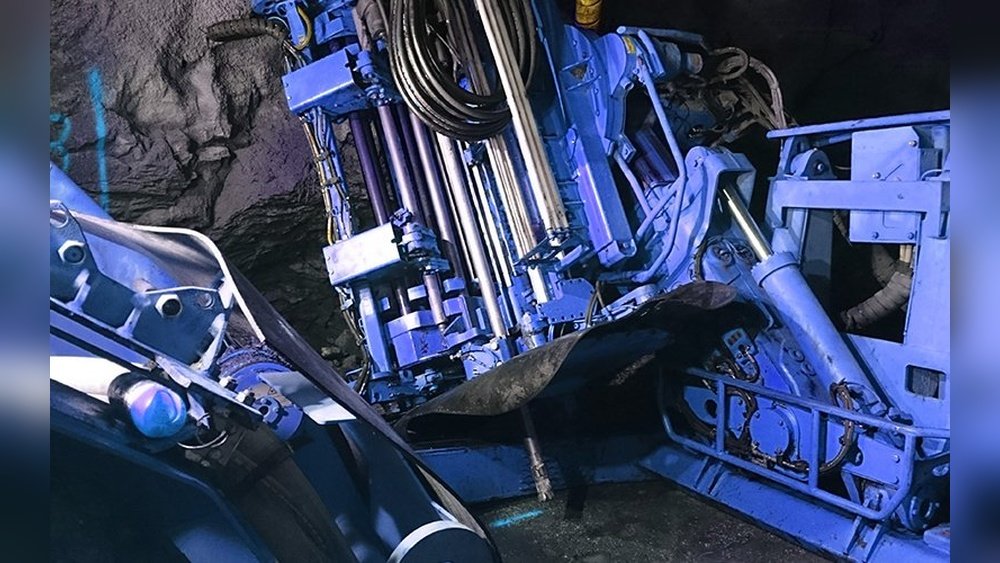
Have you ever faced the challenge of drilling a long hole but didn’t know where to start? Whether you’re working on a home project or a professional task, drilling a long, straight hole can be tricky.
You might worry about your drill slipping, the bit breaking, or the hole not being deep enough. But don’t worry—this guide will walk you through simple, effective steps to help you drill long holes with confidence and precision. By the end, you’ll have the skills to tackle your project smoothly and get professional results every time.
Keep reading, and let’s make your drilling task easier than you thought!

Credit: www.youtube.com
Choosing The Right Drill And Bit
Choosing the right drill and bit is key for drilling long holes. The right tools make the job easier and safer. They also help you get clean, precise holes. Using the wrong drill or bit can cause damage or wear out your tools fast.
Types Of Drills For Long Holes
Corded drills provide steady power for deep drilling. They are good for heavy work and long projects. Cordless drills offer more mobility and ease of use. For very long holes, drill presses or magnetic drills give better control and accuracy. Choose a drill that fits your project’s size and material.
Selecting The Proper Drill Bit
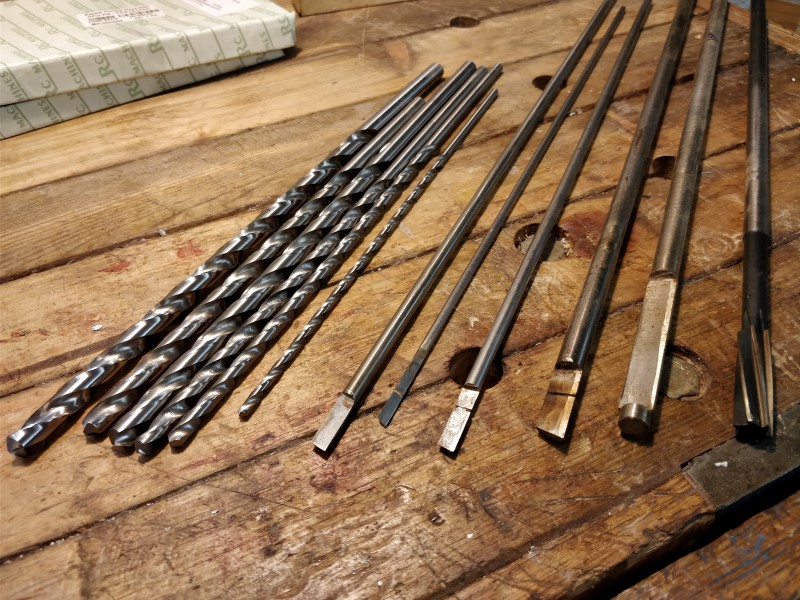
Long hole drilling needs special bits. Twist bits work well for short to medium holes. For deep holes, use long or extra-long drill bits. Step bits and spade bits are good for certain materials but may not reach far. Make sure the bit length matches your hole depth needs.
Materials And Coatings
Drill bits come in various materials and coatings. High-speed steel (HSS) bits are common and affordable. Carbide bits last longer and cut harder materials. Titanium-coated bits reduce friction and heat. Cobalt bits are strong and resist wear. Pick bits with coatings suited for your material and drilling speed.
Credit: www.labellenote.fr
Preparing The Workpiece
Preparing the workpiece is key to drilling a long hole accurately and safely. This step sets the foundation for a clean, straight drill path. Careful preparation reduces mistakes and saves time during drilling.
Marking The Drill Path
Start by clearly marking the drill path on the material. Use a pencil or marker to draw a straight line where you want the hole. Check the measurements twice to ensure accuracy. A clear mark guides the drill bit and helps prevent wandering.
Securing The Material
Clamp the workpiece firmly to a stable surface. This stops the material from moving while drilling. Use strong clamps or a vise for best results. A steady workpiece helps keep the drill bit on track and protects your hands from injury.
Pre-drilling Pilot Holes
Drill a small pilot hole before the main hole. The pilot hole guides the larger drill bit and reduces pressure. It also helps prevent the material from splitting. Use a drill bit smaller than the final size for the pilot hole.
Drilling Techniques For Accuracy
Drilling long holes requires focus and the right methods to keep the hole straight and clean. Accuracy matters to avoid mistakes that waste time and materials. Using good drilling techniques helps make sure the hole is precise and smooth from start to finish.
Maintaining Drill Alignment
Keep the drill steady and straight to avoid crooked holes. Use a guide or jig to hold the drill in place. Check the drill’s angle often. Holding the drill at the right angle prevents the bit from wandering off track. Align the drill with the hole’s center before starting.
Controlling Speed And Pressure
Use slow and steady speed for long holes. Fast drilling can cause heat and damage the bit. Apply gentle pressure to let the drill bit do the work. Too much force can bend or break the bit. Slow speed and light pressure improve control and accuracy.
Using Lubricants And Coolants
Lubricants reduce heat and friction during drilling. Coolants keep the bit and material cool. Use oil or drilling fluid for metal or hard materials. This prevents the bit from overheating and dulling. Proper lubrication extends the bit’s life and improves hole quality.
Credit: www.mining.sandvik
Handling Deep Hole Challenges
Drilling a long hole is not easy. Deep holes bring special problems. These problems need careful handling to avoid mistakes. Three main issues are debris clearing, bit wandering, and heat build-up. Each affects the quality and speed of drilling. Knowing how to manage these can save time and effort.
Clearing Debris Efficiently
Debris blocks the drill bit and slows progress. Remove chips often to keep the hole clean. Use a drill with good chip removal features. Pull the bit out regularly to clear debris. Clean the hole with compressed air or a brush. This keeps drilling smooth and prevents damage.
Avoiding Bit Wandering
The drill bit can move off center in deep holes. This makes the hole uneven and hard to finish. Use a sharp, strong drill bit to reduce wandering. Start with a small pilot hole for better guidance. Hold the drill steady and apply even pressure. This helps keep the hole straight and accurate.
Managing Heat Build-up
Heat can damage the drill bit and workpiece. It also makes drilling slower and harder. Use cutting oil or coolant to cool the bit. Drill at a steady speed without pushing too hard. Take breaks to let the bit cool down. This keeps the drill sharp and extends its life.
Finishing And Inspecting The Hole
Finishing and inspecting the hole is a key step after drilling. It ensures the hole is clean, accurate, and ready for use. This process improves the quality and safety of your work. Proper finishing prevents damage to tools and materials. Careful inspection confirms the hole meets your project’s requirements.
Deburring And Smoothing Edges
After drilling, sharp edges and burrs often remain. These rough parts can cause injury or damage. Use a deburring tool or sandpaper to smooth the edges. Move the tool gently around the hole’s edge. This step makes the hole safer and more polished. It also helps parts fit better if they need to join.
Measuring Hole Depth And Diameter
Check the hole’s depth and diameter with a ruler or caliper. Accurate measurements confirm the hole matches your plan. Measure at several points to ensure consistency. Mark the depth on the drill bit before drilling next time. This practice helps avoid drilling too deep or too shallow.
Correcting Imperfections
Look closely for cracks, chips, or uneven surfaces inside the hole. Small flaws can weaken the material or cause problems later. Use a file or reamer to fix these imperfections. Work slowly and carefully to avoid making new damage. Fixing errors early saves time and improves results.
Safety Tips For Drilling Long Holes
Drilling long holes can be tricky and risky. Taking safety steps protects your body and tools. Always prepare well before starting. Safety is the key to a smooth job and good results.
Focus on the right gear, control of the drill, and your workspace. These points lower the chance of accidents and help you work faster. Follow simple rules to keep safe while drilling long holes.
Protective Gear Essentials
Wear safety glasses to protect your eyes from dust and chips. Use ear protection to reduce noise from the drill. Gloves help protect your hands but use thin ones to keep control. A dust mask prevents breathing in harmful particles. Dress in close-fitting clothes to avoid getting caught in the drill.
Preventing Drill Kickback
Hold the drill firmly with both hands. Start drilling at a slow speed to keep control. Use the right drill bit for the material and hole size. Keep the drill straight to avoid bending and kickback. Stop and check often to clear debris from the hole. Never force the drill; let it work at its own pace.
Safe Work Environment Setup
Ensure your workspace is clean and well-lit. Remove any objects that may cause tripping or distractions. Secure the workpiece firmly using clamps or a vise. Keep cords and tools organized to avoid accidents. Have a first aid kit nearby for emergencies. Work in a place with good ventilation to avoid dust buildup.
Frequently Asked Questions
How Do I Choose The Right Drill Bit For Long Holes?
Select a drill bit designed for deep drilling, like an auger or long twist bit. Consider the material and hole diameter for best results.
What Is The Best Technique To Drill A Long Hole Straight?
Use a drill guide or clamp a straight edge. Start slowly, keep steady pressure, and frequently clear debris to maintain accuracy.
How Can I Prevent Drill Bit Overheating During Long Holes?
Apply cutting oil or coolant regularly. Drill at moderate speed and avoid excessive pressure to reduce heat buildup and prolong bit life.
What Tools Help In Drilling Very Deep Holes Efficiently?
Long drill bits, drill guides, and flexible shaft extensions improve control and reach. A drill press can also enhance precision for deep holes.
Conclusion
Drilling a long hole takes patience and the right tools. Start slow and keep the drill steady. Clear out debris often to avoid jamming. Choose the correct drill bit for your material. Safety matters—wear goggles and gloves every time. Practice on scrap pieces before the real job.
With care, you can drill long holes cleanly and accurately. Keep these tips in mind for your next project.
