


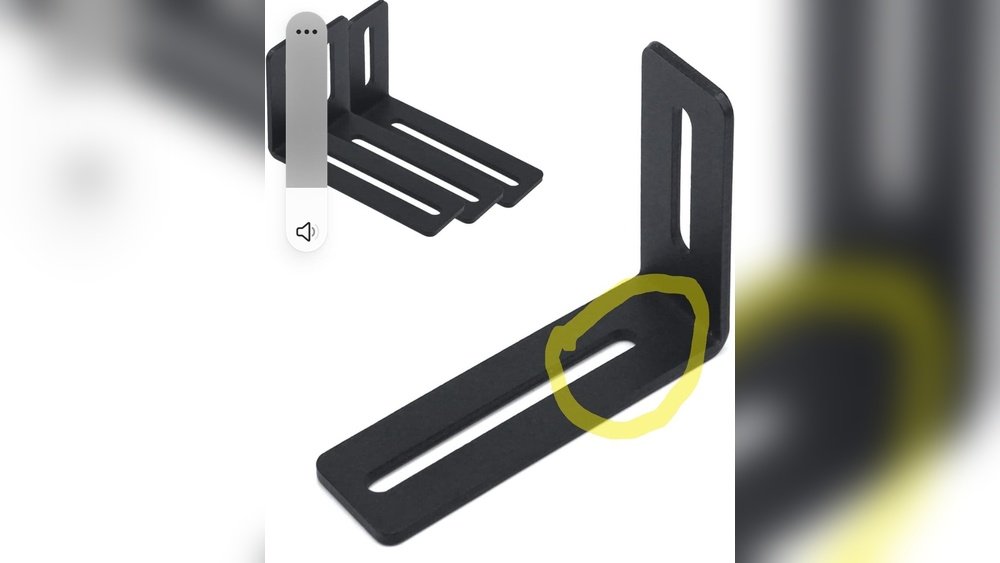
If you’ve ever needed to create a slot in metal but weren’t sure where to start, you’re in the right place. Drilling a slot may sound tricky, but with the right steps and tools, you can do it safely and accurately.
Imagine saving time and avoiding costly mistakes by knowing exactly how to handle your drill and metal piece. In this guide, you’ll discover simple techniques that make the process easier than you think. Ready to master this skill and get your project done right?
Keep reading to find out how.
Choosing The Right Tools
Choosing the right tools is key to drilling a clean slot in metal. The tools affect the accuracy and safety of your work. Using proper equipment makes the job easier and faster. Below, explore the essential tools needed for this task.
Selecting Drill Bits For Metal
Use drill bits made specifically for metal. High-speed steel (HSS) bits are common and affordable. For harder metals, cobalt bits offer better durability. Choose bits with a sharp tip angle around 118 to 135 degrees. This helps the bit cut through metal smoothly. Avoid dull or worn bits; they cause poor results and can break.
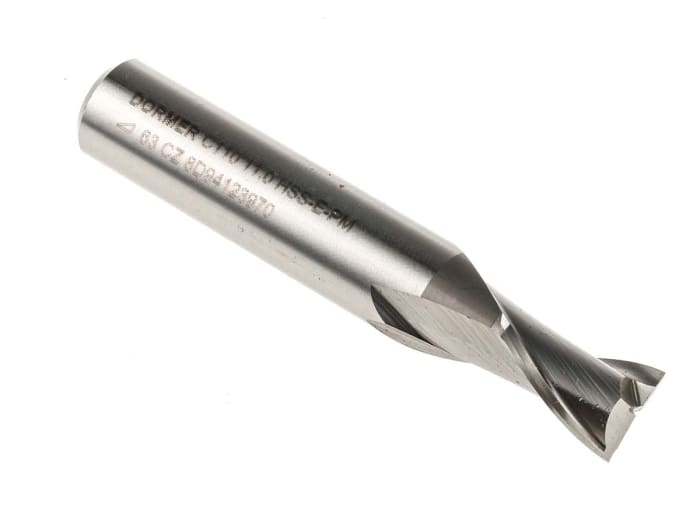
Using Slotting Attachments
Slotting attachments help create precise slots. These tools guide the drill and control the slot size. They attach to your drill or drill press. Using a slotting attachment reduces slipping and ensures straight cuts. This tool is useful for beginners and professionals alike. It improves accuracy and saves time.
Safety Gear Essentials
Safety gear protects you from metal shavings and sparks. Always wear safety goggles to shield your eyes. Use gloves to protect your hands from sharp edges. Hearing protection is important if using loud machines. Wear a long-sleeve shirt to protect your arms. Keep a clean workspace to avoid accidents.

Credit: www.youtube.com
Preparing The Metal Surface
Preparing the metal surface is key before drilling a slot. It helps ensure accuracy and safety. A clean, stable, and marked area makes the process smoother. Follow these steps carefully for best results.
Marking The Slot Area
Start by measuring the exact spot for the slot. Use a ruler or tape measure for precision. Mark the slot edges clearly with a permanent marker or scribe. Double-check the lines to avoid mistakes during drilling.
Clamping For Stability
Secure the metal piece firmly using clamps. This stops the metal from moving while drilling. Choose clamps that fit the size of your metal. Tighten them well but avoid bending or damaging the metal.
Lubricating The Drill Point
Apply a small amount of cutting oil or lubricant on the drill bit. This reduces heat and friction during drilling. Lubrication helps the drill cut smoothly through the metal. Reapply lubricant often for longer drilling sessions.
Drilling Techniques For Slots
Drilling slots in metal requires specific techniques to ensure accuracy and a clean finish. Using the right methods helps avoid mistakes and damage to the metal. This section explains easy steps to drill slots efficiently.
Starting The Pilot Hole
Begin by marking the slot position on the metal surface. Use a center punch to create a small dent at the start point. This dent guides the drill bit and prevents slipping. Next, choose a drill bit smaller than the slot width. Drill a straight pilot hole at the marked spot. Keep the drill speed moderate for better control. This hole acts as the base for enlarging the slot.
Creating Overlapping Holes
To form the slot, drill a series of overlapping holes along the pilot hole line. Each hole should slightly overlap the previous one. This technique removes metal evenly and shapes the slot’s length. Use steady pressure and keep the drill perpendicular to the metal. Check the progress often to maintain the slot’s width. Overlapping holes reduce stress on the metal and prevent cracks.
Using A File To Shape The Slot
After drilling, the slot edges are rough and uneven. Use a metal file to smooth and shape the slot. Choose a flat or round file depending on the slot’s shape. Move the file in one direction for a clean finish. Check the slot size frequently to avoid over-filing. This step refines the slot and ensures it fits the intended use perfectly.
Credit: www.youtube.com
Advanced Slot Drilling Methods
Advanced slot drilling methods offer precise and clean results in metalwork. These techniques go beyond basic hand drilling. They help create accurate slots with smooth edges. Using proper equipment and methods improves efficiency and quality. Below are some popular advanced methods for slot drilling in metal.
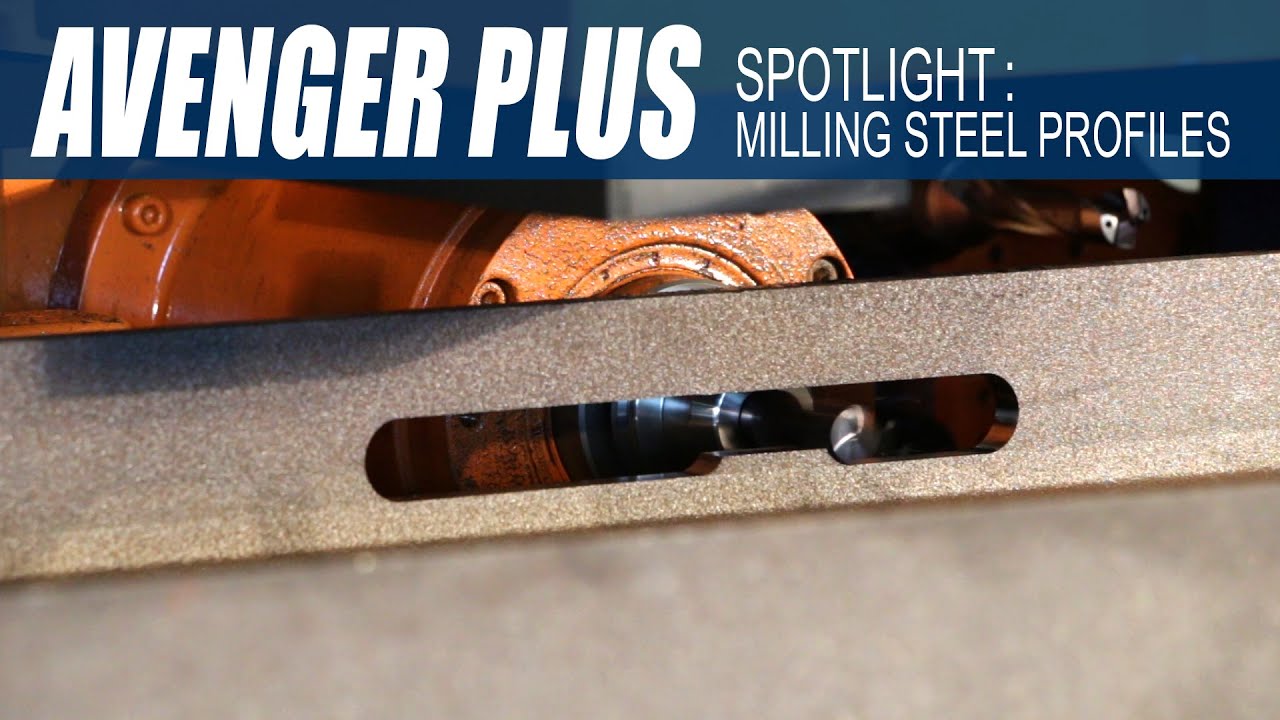
Using A Milling Machine
A milling machine cuts slots by moving a rotating tool across metal. It controls depth and width precisely. This method suits larger or complex slots. The machine holds the metal steady to avoid errors. It creates clean, straight slots quickly. Milling machines work best for professional or heavy-duty projects.
Employing A Rotary Tool
A rotary tool uses a small, fast-spinning bit to cut slots. It is useful for small or detailed work. Different bits can shape the slot edges smoothly. This tool is handheld, giving more control over the cut. It is ideal for hobbyists or light metal work. Rotary tools allow for flexible and creative slot designs.
Cnc Slot Drilling Options
CNC machines use computer programs to drill slots with high accuracy. They follow exact designs without human error. This method works well for repeated or complex slots. CNC drilling produces consistent results and saves time. It suits industrial applications needing many identical slots. CNC technology combines speed, precision, and automation.
Troubleshooting Common Issues
Drilling a slot in metal can be tricky. Problems may slow you down or ruin your work. Knowing common issues helps you fix them fast. This section covers key challenges and solutions. Follow these tips to keep your project on track.
Avoiding Metal Warping
Metal warps when heat builds up from drilling. Use a slow drill speed to reduce heat. Apply cutting oil to cool the metal. Let the drill rest sometimes to avoid overheating. Clamp the metal firmly to keep it steady. These steps help keep the metal flat and strong.
Dealing With Drill Bit Breakage
Drill bits break if pressure is too high or bits are dull. Use steady, gentle pressure while drilling. Replace worn bits often for cleaner cuts. Choose a drill bit made for metal, not wood. Keep the drill bit sharp to prevent slipping and breaking. Proper care extends the bit’s life and improves results.
Maintaining Precision
Slots must be precise for good fitting parts. Mark the slot area clearly before drilling. Use a guide or jig to control the drill’s path. Drill slowly and check progress often. Clean metal chips away to see your work better. Careful work keeps your slots accurate and neat.
Finishing And Cleanup
After drilling a slot in metal, the work is not yet done. Finishing and cleanup are key steps to make the slot safe and functional. Removing sharp edges and smoothing the surface prevents injury and improves the look of your work.
Deburring The Slot Edges
Deburring removes rough edges left by drilling. Use a deburring tool or a fine file. Move the tool gently along the slot edges. This process prevents cuts and helps parts fit together better. Take your time and check all sides carefully.
Polishing For Smoothness
Polishing makes the slot surface smooth and clean. Use fine sandpaper or a polishing cloth. Rub the surface in small circles. This step reduces friction and improves the metal’s appearance. Polishing also helps remove any leftover dust or metal particles.
Inspecting The Final Cut
Inspect the slot carefully before finishing. Check the shape and size against your plan. Look for any cracks or uneven areas. Use a ruler or caliper for accurate measurement. A clean, precise slot means better results in your project.
Credit: sa.rsdelivers.com
Frequently Asked Questions
What Tools Are Needed To Drill A Slot In Metal?
To drill a slot in metal, use a drill press, drill bits, a slotting tool, clamps, and a center punch. These tools ensure precision and safety during the process.
How Do I Start Drilling A Slot In Metal?
Mark the slot location clearly, use a center punch to create a guide, then drill multiple overlapping holes along the slot line. This helps create an accurate slot shape.
What Drill Bit Type Is Best For Metal Slots?
Use high-speed steel (HSS) or cobalt drill bits for metal. They are durable and handle heat well during slot drilling.
Can I Drill Slots In All Metal Types?
Most metals like steel, aluminum, and brass can be slotted. Harder metals may require specialized bits and slower drilling speeds.
Conclusion
Drilling a slot in metal takes care and the right tools. Always mark your metal clearly before starting. Use a drill bit made for metal to avoid damage. Keep your drill steady and work slowly for best results. Safety gear like gloves and glasses protect you.
Practice on scrap metal if you can. Following these steps helps you create clean, precise slots. With patience, your metal project will turn out great. Simple methods make the task easier and safer. Give it a try and see the difference yourself.
