


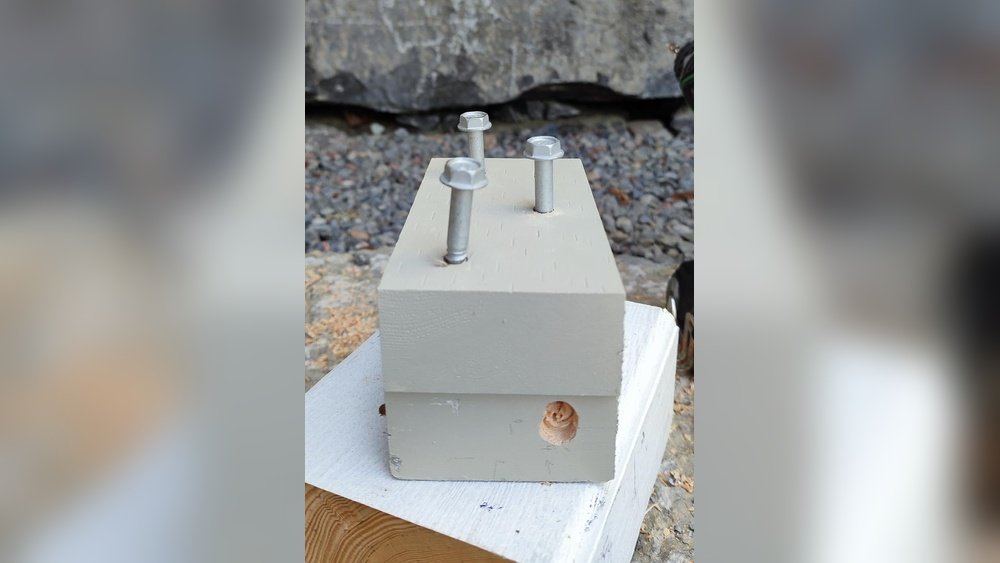
Have you ever started drilling a hole, only to find it crooked or uneven? It’s frustrating, wastes time, and can ruin your project.
But drilling a straight hole doesn’t have to be difficult. With a few simple tips and the right techniques, you can make sure every hole you drill is perfectly straight and precise. In this guide, you’ll discover easy-to-follow steps that anyone can use to improve their drilling skills.
Keep reading, and you’ll never worry about crooked holes again.
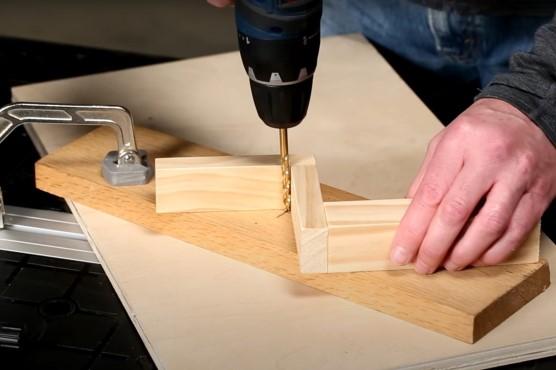
Credit: learn.kregtool.com
Choosing The Right Drill And Bit
Choosing the right drill and bit is key to drilling a straight hole. The right tools help keep the hole neat and accurate. Using poor tools can cause the drill to slip or the hole to be uneven.
Understanding different drills and bits helps you pick the best for your job. It saves time and avoids damage to your material.
Types Of Drills For Precision
Cordless drills offer good control and are easy to handle. They work well for light to medium tasks. Corded drills provide steady power for tougher jobs. Drill presses are best for very straight and deep holes. They hold the drill steady and guide it down perfectly. Pick a drill that suits your project size and precision need.
Selecting The Correct Drill Bit
Choose drill bits that match the hole size needed. Twist bits work well for wood and metal. Spade bits create larger holes in wood quickly. For smooth holes in tile or glass, use diamond bits. Sharp bits cut cleanly and reduce wobble. Always check bit condition before starting your work.
Material Considerations
Different materials need different drill bits. Softwood drills use standard bits easily. Hardwoods need stronger, sharper bits to avoid splintering. Metal drilling requires bits made of high-speed steel or cobalt. Masonry needs carbide-tipped bits for concrete or brick. Matching the bit to material protects both the tool and the surface.
Preparing The Work Surface
Preparing the work surface is a key step to drill a straight hole. A clean and stable surface helps keep your drill steady. It also prevents mistakes and accidents. Taking time to set up right makes the drilling easier and more accurate.
Marking The Drill Spot
Start by marking the exact spot for the hole. Use a pencil or a marker with a fine tip. Make the mark clear but small. This helps guide the drill bit to the right place. Double-check the spot before you drill.
Securing The Workpiece
Hold the workpiece firmly to avoid movement. Use clamps or a vise to keep it still. A moving workpiece can cause the drill to slip. Secure it on a flat and stable surface for best results.
Using A Center Punch
Use a center punch to make a small dent on the mark. This dent guides the drill bit and stops it from wandering. Tap the punch gently with a hammer. The small hole helps start the drill straight and steady.
Setting Up For Accuracy
Drilling a straight hole needs careful preparation. Setting up for accuracy helps avoid mistakes and saves time. Small steps before you start make a big difference in the final result.
Focus on how you hold and guide the drill. The right setup keeps the hole straight and clean. Use tools and tips to keep control and precision.
Aligning The Drill Perpendicular
Hold the drill so it is straight up at 90 degrees. This means the drill bit is perpendicular to the surface. Use a small square or angle guide to check the position. A tilted drill bit makes the hole crooked and uneven.
Keep your hand steady and eyes level. Take your time to position the drill correctly. Start drilling slowly to make sure the drill stays aligned.
Using Drill Guides And Jigs
Drill guides and jigs help keep the drill bit in the right spot. They act like a frame to hold the drill steady. Use a guide clamp or a commercial jig for better control. These tools stop the drill from moving side to side.
Attach the guide firmly to your workpiece. Check that the drill bit fits snugly inside the guide hole. This setup reduces wobble and keeps holes straight and clean.
Adjusting Drill Speed
Set the drill speed based on the material you work with. Slow speeds work best for hard materials like metal. Faster speeds suit soft materials such as wood or plastic. The right speed prevents the drill bit from wandering off course.
Start drilling at a low speed to create a guide hole. Increase speed once the hole is straight and stable. Control the speed to avoid heat and damage to the drill bit.
Drilling Techniques For Straight Holes
Drilling straight holes requires focus and the right technique. Small mistakes can cause the drill bit to move off course. Using proper drilling methods helps create clean, accurate holes. This section covers key tips to keep your drilling straight and smooth.
Starting The Hole Correctly
Begin by marking the spot clearly with a center punch. This small dent guides the drill bit and stops slipping. Hold the drill steady and start at a slow speed. Let the bit bite into the material gently before increasing speed. Starting well sets the path for a straight hole.
Maintaining Steady Pressure
Apply even pressure on the drill. Pressing too hard can bend the bit or cause wobbling. Pressing too light slows progress and may cause the bit to slip. Keep your hands firm but relaxed. Steady pressure helps the drill cut cleanly and stay on track.
Avoiding Bit Wandering
Bit wandering happens when the drill moves away from the mark. Avoid this by keeping the drill angle steady. Use both hands to control the drill. If available, use a drill guide or clamp the workpiece. Watch the bit closely and adjust if it starts to drift.
Troubleshooting Common Issues
Drilling straight holes can be tricky. Many beginners face common problems that affect their work. Fixing these issues quickly saves time and improves results. This section covers ways to solve frequent drilling challenges.
Dealing With Bit Skidding
Bit skidding happens when the drill bit slips on the surface. This causes uneven or misplaced holes. Use a center punch to make a small dent before drilling. It helps the bit stay in place. Start drilling slowly to avoid slipping. A sharp drill bit also reduces skidding.
Correcting Angled Holes
Angled holes occur when the drill is not held straight. This affects the accuracy of your project. Use a drill guide or a square to keep the drill steady. Check your angle often during drilling. Stop and adjust if the hole starts to go off course. Practice holding the drill firm and steady.
Preventing Material Damage
Material damage includes cracking, splintering, or burning the surface. Choose the right drill bit for the material. Use a slow drilling speed on delicate materials. Place a scrap piece of wood under the workpiece to protect it. Do not press too hard; let the drill do the work. Keep the drill bit clean and sharp to avoid heat build-up.

Credit: www.youtube.com
Finishing Touches
Finishing touches are key to a perfectly drilled hole. They ensure your work looks clean and professional. Taking time with these steps saves you trouble later. Let’s explore how to clean and check your hole, plus adjust for future drills.
Cleaning The Hole
Remove all dust and debris from the hole using a brush or compressed air. This clears the path and avoids blockages. Clean holes help screws and bolts fit tightly. Use a small brush or cloth to wipe around the hole edges too.
Checking For Precision
Measure the hole diameter to confirm it matches your needs. Use a caliper or drill gauge for accuracy. Check the hole’s straightness by inserting a rod or drill bit. A straight hole will hold tools or fasteners firmly without wobble.
Adjusting For Next Drills
Note any mistakes or unevenness from this hole. Adjust your drill angle or speed for better results next time. Mark the drill bit or set a guide to keep drilling straight. Practice improves your skill and saves material waste.

Credit: www.youtube.com
Frequently Asked Questions
How Do I Ensure A Drill Bit Stays Straight?
Use a drill guide or clamp a square to your workpiece. Keep the drill perpendicular and steady for accuracy.
What Is The Best Drill Speed For Straight Holes?
Use a slower speed for harder materials and a faster speed for soft wood. Adjust speed to avoid bit wandering.
How Can I Prevent Drill Bit Wobbling?
Choose a sharp, high-quality drill bit. Apply consistent pressure and keep the drill aligned with the marked spot.
Should I Pilot Drill Before Drilling A Straight Hole?
Yes, pilot holes guide the larger bit and reduce wandering. Start with a small bit to ensure straightness.
Conclusion
Drilling a straight hole takes practice and the right tools. Keep your drill steady and check your angle often. Use guides or clamps to help hold your work. Take your time and drill slowly for better control. Clean the drill bit regularly to avoid slipping.
With these simple tips, your holes will look neat and precise. Keep practicing, and drilling straight holes will become easier. Remember, patience and care make all the difference.
