


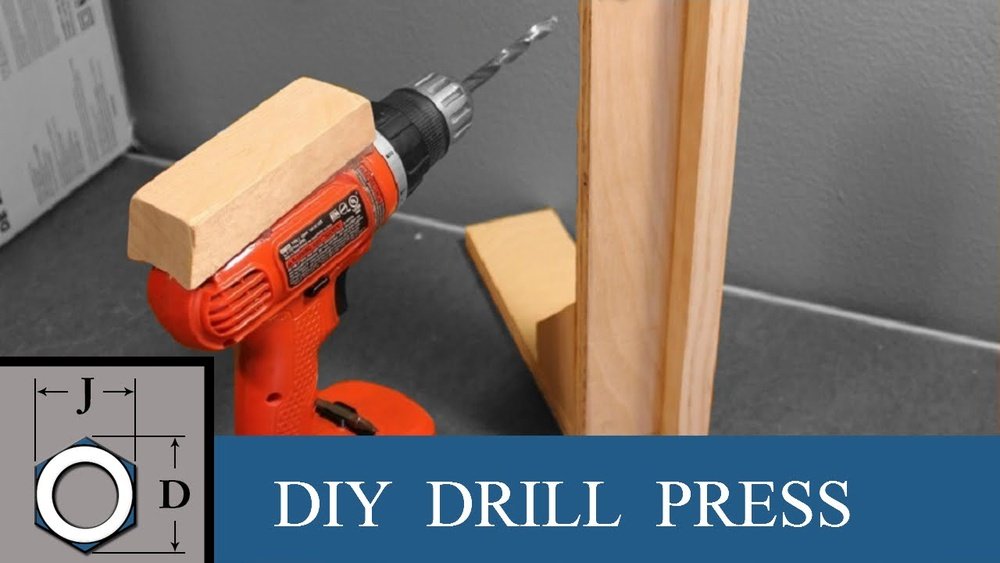
If you’ve ever tried drilling a hole only to find it crooked or uneven, you know how frustrating it can be. Drilling a straight hole isn’t just about luck—it’s a skill you can master with the right tools and techniques.
With a drill press, you have the power to create precise, clean holes every time. You’ll learn simple steps to make sure your holes come out perfectly straight, saving you time, effort, and wasted materials. Keep reading, and soon you’ll feel confident tackling any project that demands accuracy.

Credit: blog.lostartpress.com
Choosing The Right Drill Bit
Choosing the right drill bit is key to drilling a straight hole with a drill press. The drill bit must fit the material and the hole size perfectly. A wrong bit can cause the drill to slip or the hole to be uneven. Knowing the types and sizes of drill bits helps in picking the best one for your project.
Types Of Drill Bits
There are many drill bit types. Each works best on certain materials. Twist bits are common and good for wood and metal. Brad point bits work well for wood, giving clean holes. For metal, use cobalt or titanium bits. Masonry bits handle stone and concrete. Choose the right type for the material you drill.
Selecting Size And Material
Pick a drill bit that matches the hole size you need. Too big or too small bits ruin the hole’s shape. Drill bits come in many sizes, from tiny to large. The material of the bit matters too. High-speed steel bits are good for soft materials. Carbide bits are stronger and last longer. Match the bit material to the workpiece for better results.
Setting Up The Drill Press
Setting up the drill press correctly is the first step to drilling a straight hole. Proper setup ensures accuracy and safety. It helps keep the drill bit steady and the workpiece secure. This section covers the key steps for setting up your drill press before you start drilling.
Securing The Workpiece
Firmly hold the workpiece in place. Use clamps or a vise to prevent movement. Loose materials can shift, causing crooked holes. Secure the workpiece on the drill press table. Check twice to make sure it does not wobble. This stability improves the precision of your drill.
Adjusting The Table And Depth Stop
Adjust the drill press table height for your workpiece size. The table should be close to the drill bit without touching it. Align the table so the drill bit hits the exact spot. Set the depth stop to control how deep the bit drills. This prevents drilling too far through your material. Fine-tuning these settings leads to straight, clean holes.
Aligning The Drill Bit
Aligning the drill bit correctly is key to drilling a straight hole. The drill bit must line up perfectly with the mark on your material. This step helps avoid crooked holes and damage to your workpiece. Take your time to position the bit just right before you start drilling.
Centering Techniques
Place the material securely on the drill press table. Use clamps to stop any movement. Lower the drill bit slowly to see where it touches the surface. Adjust the material or the drill press until the bit aligns exactly with your mark. Check from different angles to ensure accuracy. Small shifts can make a big difference in the hole’s straightness.
Using A Center Punch
A center punch creates a small dent where the hole will go. This dent guides the drill bit and stops it from wandering. Hold the punch firmly and tap it lightly with a hammer. The mark should be clear but not too deep. This simple step makes aligning the drill bit easier and improves the hole’s precision.

Credit: www.youtube.com
Drilling Techniques For Precision
Drilling a straight hole with a drill press requires careful technique. Precision depends on controlling speed and pressure. These factors help avoid mistakes and make clean holes. Focus on steady actions to improve results.
Small changes in speed or pressure can cause the drill to wander. Use the right methods to keep the drill bit straight and accurate. This section explains key techniques for precise drilling.
Controlling Speed And Feed
Set the drill press speed based on the material type. Hard materials need slower speeds. Softer materials can handle faster speeds. Adjust the speed dial to match the drill bit size and material.
Feed means how fast you push the drill into the material. Push too fast and the bit may bend or break. Push too slow and the bit can overheat. Find a steady, moderate pace for the best results.
Maintaining Steady Pressure
Use even pressure to keep the drill bit stable. Avoid pushing hard at the start or end of drilling. Let the drill do the work. Pressing too hard can cause the hole to shift.
Hold the drill press handle firmly and smoothly. Keep the drill bit aligned with the mark on the material. Steady pressure helps the bit cut straight and clean.
Avoiding Common Mistakes
Drilling a straight hole with a drill press seems simple but has common mistakes. Avoiding these mistakes improves accuracy and saves time. Focus on proper setup and technique for the best results.
Preventing Bit Wandering
Bit wandering happens when the drill bit slips from the mark. It causes off-center holes and damages the workpiece. Use a center punch to make a small dent on the spot. This dent guides the bit and stops it from moving.
Clamp the workpiece firmly to the table. Movement during drilling makes bit wandering worse. Choose a sharp drill bit for cleaner cuts. A dull bit is more likely to wander and burn the material.
Dealing With Tear-out
Tear-out happens when wood fibers splinter around the hole edges. It looks messy and ruins the finish. Place a scrap piece of wood under the workpiece to reduce tear-out. This backing supports the fibers as the bit exits.
Drill slowly, especially when the bit is about to exit. Slow speed cuts cleaner and reduces splintering. Use a brad-point bit or a drill bit designed for wood. These bits cut neatly and control tear-out better.
Safety Tips While Drilling
Safety is very important while drilling with a drill press. It protects you from injuries and helps you work better. Following safety tips keeps the drilling process smooth and safe. Always be careful and focused.
Proper Use Of Safety Gear
Wear safety glasses to protect your eyes from flying debris. Use ear protection to avoid loud noise damage. Wear close-fitting clothes to avoid catching in moving parts. Tie back long hair and remove jewelry before starting. Use gloves only if they do not get caught in the drill.
Handling Drill Press Safely
Secure the workpiece firmly to the drill press table. Never hold the material by hand while drilling. Keep your hands away from the drill bit and moving parts. Turn off and unplug the drill press before making adjustments. Use the correct drill bit for the material type. Check the drill press for damage before use.
Credit: www.reddit.com
Frequently Asked Questions
How Do I Align My Drill Press For Straight Holes?
To align your drill press, adjust the table and chuck so the bit is perpendicular to the surface. Use a square to check alignment. Proper setup ensures precise, straight holes and prevents drill bit wobble or damage during drilling.
What Drill Bit Types Create The Straightest Holes?
Twist drill bits and brad point bits are ideal for straight holes. Brad point bits provide better accuracy on wood. Choose high-quality, sharp bits to reduce wandering and improve hole precision when using a drill press.
How Can I Prevent Drill Bit Wandering?
Secure your workpiece firmly and start drilling at low speed. Use a center punch to mark the drilling point. These steps stabilize the bit and minimize wandering, resulting in straighter, cleaner holes with your drill press.
What Speed Should I Use For Drilling Straight Holes?
Use slower speeds for larger bits and harder materials. Faster speeds suit smaller bits and soft materials. Adjust drill press speed according to the bit size and material to maintain control and accuracy when drilling straight holes.
Conclusion
Drilling a straight hole takes care and patience. Set up your drill press firmly and check the bit alignment. Use clamps to hold your workpiece steady. Drill slowly and keep the bit straight. Small adjustments make a big difference. Practice these steps for better results every time.
Straight holes improve your project’s quality and fit. Keep safety in mind and work carefully. With time, drilling straight holes will become easier. Stay consistent, and your skills will grow naturally.
