


If you’ve ever wanted to customize your garden or create the perfect planter, knowing how to drill a terracotta pot is a handy skill. You might think it’s tricky or that the pot will crack, but with the right steps, you can do it safely and easily.
Imagine being able to add drainage holes exactly where you need them, helping your plants thrive. This guide will walk you through everything you need to know, so you can tackle your project with confidence and get the results you want.
Ready to transform your terracotta pots? Let’s get started!

Credit: www.youtube.com
Choosing The Right Tools
Choosing the right tools is key to drilling a terracotta pot safely and cleanly. The right drill and drill bits make the process easier. Using proper safety gear protects you from dust and sharp pieces. This section covers the best drills, drill bits, and safety gear for this task.
Best Drill Types For Terracotta
Use a drill with variable speed control. Cordless drills work well for small pots. A drill with a clutch helps avoid cracking the pot. A hammer drill is not needed for terracotta. A drill with good grip offers more control.
Selecting Drill Bits
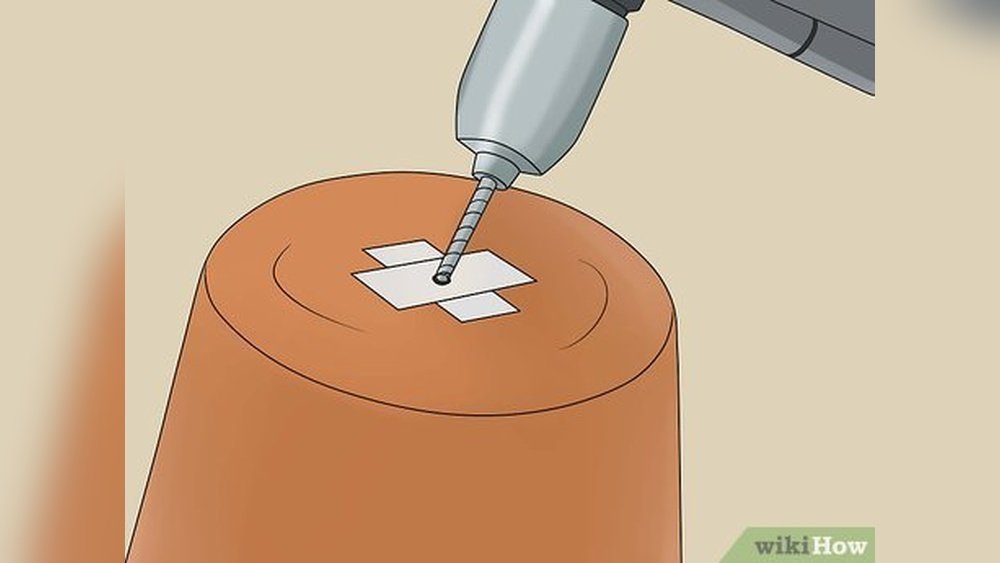
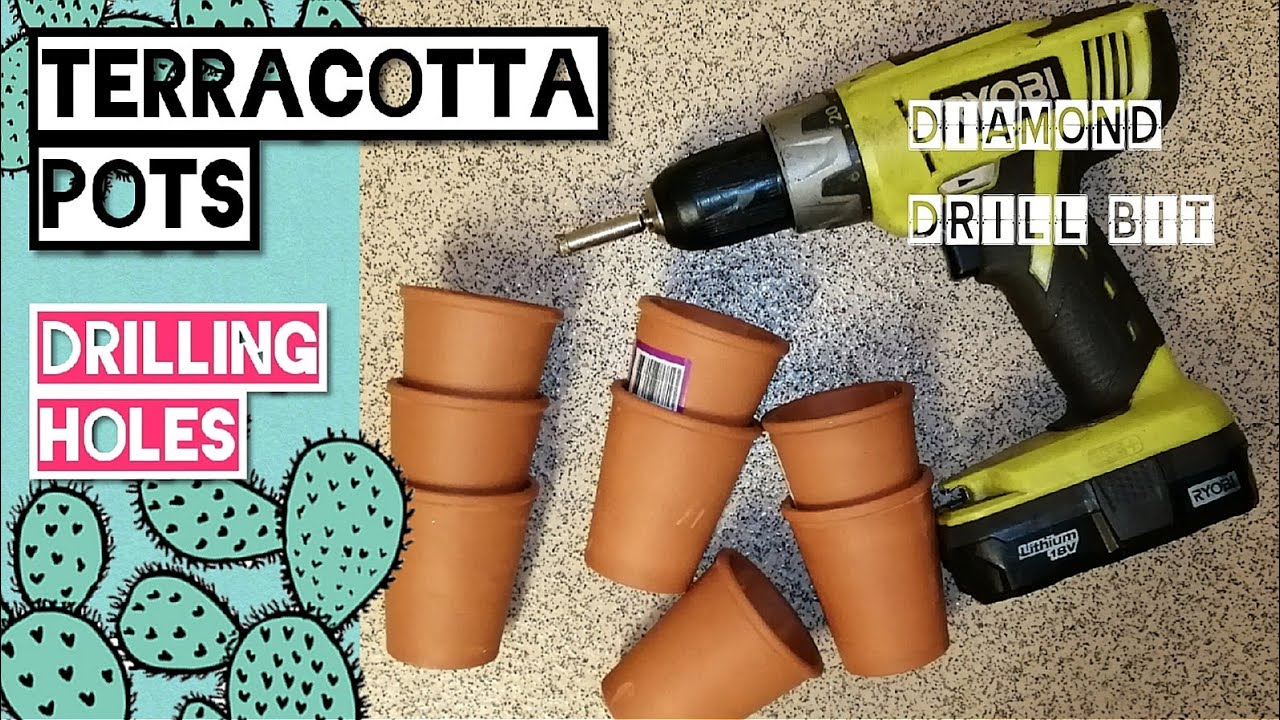
Choose masonry or ceramic drill bits for terracotta. These bits are strong and can handle hard surfaces. Start with a small bit to make a pilot hole. Then, use a larger bit to widen the hole. Avoid using wood or metal bits. They can cause the pot to crack.
Safety Gear Essentials
Wear safety glasses to protect your eyes from dust and chips. Use a dust mask to avoid breathing in fine particles. Gloves help protect your hands from sharp edges. Work in a well-ventilated area to reduce dust buildup. Keep a clean workspace to prevent accidents.
Preparing The Pot
Preparing a terracotta pot for drilling is an important step. It ensures clean holes and prevents cracking. Taking time to get the pot ready makes the process smooth and safe.
Cleaning The Surface
Start by cleaning the pot’s surface. Use a soft brush or cloth to remove dirt. Dirt can cause the drill to slip or damage the pot. Make sure the area is dry before drilling.
Marking Hole Positions
Next, decide where to drill the holes. Use a pencil to mark the spots clearly. Marking helps you drill accurately and avoid mistakes. Check the marks twice before starting.
Securing The Pot
Secure the pot firmly to avoid movement. Place it on a stable surface or use a clamp. Movement can cause uneven holes or break the pot. Hold the pot steady throughout drilling.
Drilling Techniques
Drilling a terracotta pot requires careful technique to avoid cracks or breaks. The right approach helps you create clean holes that support drainage or decoration. Follow these simple steps to drill safely and effectively.
Starting The Hole
Begin by marking the spot where you want the hole. Use a pencil or marker for accuracy. Hold the pot steady on a soft surface. Start drilling at a slow speed to avoid slipping. A small drill bit works best to make a pilot hole. This step guides the larger bit and prevents damage.
Maintaining Drill Speed
Keep the drill running at a moderate speed. Too fast can cause the pot to crack. Too slow may make drilling harder and uneven. Use a consistent pace to cut through the clay smoothly. Let the drill do the work without forcing it.
Applying Steady Pressure
Press the drill gently and steadily. Avoid pushing too hard, which can break the pot. Steady pressure helps the bit cut evenly. Pause if you feel resistance or heat building up. Take breaks to cool the drill bit and protect the pot.

Credit: www.wikihow.com
Preventing Cracks
Terracotta pots are beautiful but fragile. Drilling holes can cause cracks if not done carefully. Preventing cracks is key to keep your pot strong and usable. Follow these simple tips for safe drilling.
Using Water As Lubricant
Water helps keep the drill bit cool. It stops heat from building up. Heat can cause the pot to crack. Keep a small bowl of water nearby. Dip the drill bit often while drilling. This reduces friction and protects the pot.
Drilling At The Right Angle
Hold the drill straight and steady. Drill at a 90-degree angle to the pot surface. This gives the cleanest hole. Angled drilling puts extra stress on the pot. Stress can lead to cracks. A steady hand makes all the difference.
Taking Breaks To Cool Down
Drill slowly and pause regularly. Let the pot and drill bit cool down. Continuous drilling heats up the material. Heat weakens terracotta and causes cracks. Short breaks keep the pot safe and intact.
Finishing Touches
After drilling the hole in your terracotta pot, it is important to focus on the finishing touches. These steps make your pot safe and look neat. They help protect the pot and ensure it works well for plants.
Smoothing Rough Edges
Check the hole edges for sharp or rough spots. Use sandpaper or a small file to smooth the edges carefully. This prevents cracks and makes the pot safer to handle. Smooth edges also stop soil or roots from getting caught.
Cleaning Up Debris
Remove dust and small pieces left inside and outside the hole. Use a brush or cloth to clean the pot surface. Rinse the pot with water and let it dry. Clean pots help plants grow better and avoid clogging the hole.
Inspecting The Hole Quality
Look closely at the hole size and shape. The hole should be neat and the right size for drainage. Check for any cracks or chips near the hole. Fix small issues by sanding or cleaning again. A good hole keeps water flowing and plants healthy.
Alternative Methods
Drilling terracotta pots usually requires special drill bits. Some people do not have these bits at home. Alternative methods can help create holes without special tools. These methods work well for small projects or quick fixes.
Using A Hammer And Nail
Using a hammer and nail is a simple way to make holes. Choose a nail that is thin but strong. Place the nail on the spot where you want the hole. Tap the nail gently with the hammer. Do not hit too hard to avoid cracking the pot. Repeat tapping until the nail goes through the terracotta. This method works best for small drainage holes.
Employing A Rotary Tool
A rotary tool can also make holes in terracotta pots. Use a diamond or carbide bit for best results. Hold the pot firmly on a flat surface. Turn on the rotary tool at low speed. Press the bit gently on the spot to create a hole. Move slowly to avoid breaking the pot. This method is faster and gives cleaner holes than a hammer and nail.
Credit: www.youtube.com
Frequently Asked Questions
How Do I Drill Holes In A Terracotta Pot Safely?
Use a masonry drill bit and wear safety goggles. Place the pot on a stable surface. Drill slowly, applying light pressure to avoid cracking. Keep the drill bit and pot moist to reduce dust and heat.
What Tools Are Best For Drilling Terracotta Pots?
A cordless drill with a ¼-inch masonry bit works best. Use a spray bottle for water to keep the area wet. Safety goggles and gloves protect you during the process. Avoid hammer drills to prevent pot damage.
Why Should I Drill Drainage Holes In Terracotta Pots?
Drainage holes prevent water buildup, which can rot roots. They improve soil aeration and plant health. Proper drainage ensures excess water escapes, avoiding overwatering issues. This helps plants thrive in terracotta pots.
Can I Drill Multiple Holes In One Terracotta Pot?
Yes, drilling 2-3 holes evenly spaced is ideal. It ensures proper drainage without weakening the pot’s structure. Avoid drilling too close to the edges to prevent cracks. Multiple holes promote better water flow.
Conclusion
Drilling a terracotta pot is simple with the right tools and care. Take your time and work slowly to avoid cracks. Use a drill bit made for tile or masonry for best results. Always protect your eyes and hands during drilling.
A well-drilled pot improves drainage for healthier plants. Now, you can customize your pots easily and enjoy better gardening. Give it a try and see the difference yourself.
