


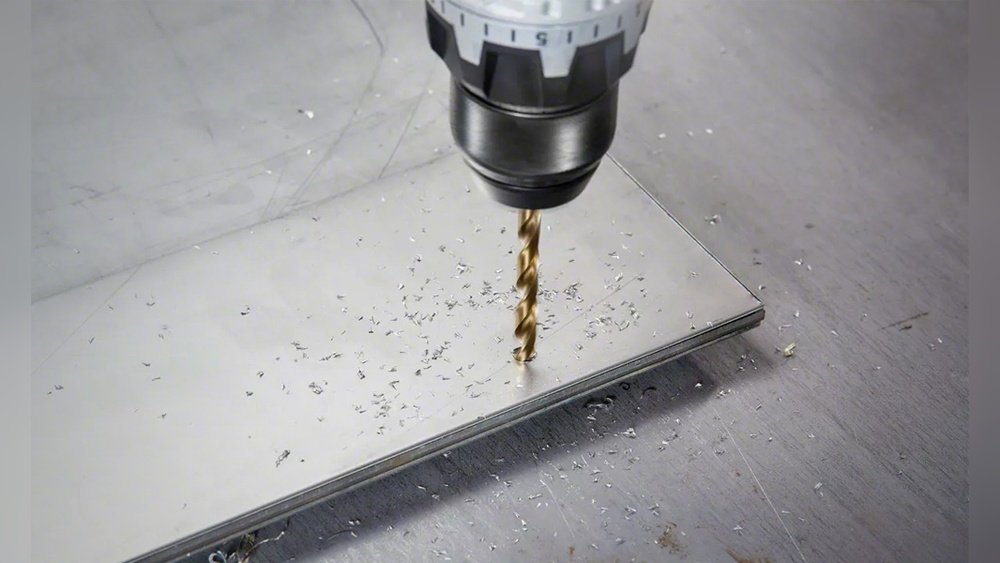
Are you ready to work with aluminum sheets but unsure how to drill them without damaging the material? Drilling aluminum might seem tricky at first, but with the right techniques and tools, you can achieve clean, precise holes every time.
In this guide, you’ll learn simple steps to drill aluminum sheets safely and efficiently, saving you time and avoiding costly mistakes. Keep reading, and you’ll gain the confidence to handle your project like a pro.
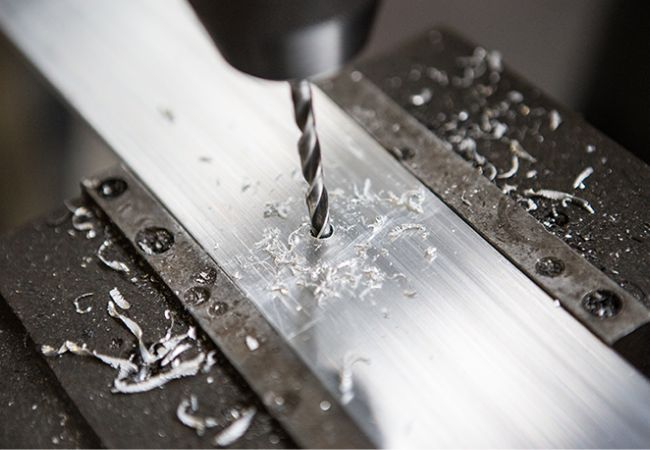
Credit: kdmfab.com
Choosing The Right Drill Bit
Choosing the right drill bit is key to drilling aluminum sheets smoothly. The right bit helps avoid damage and makes clean holes. Aluminum is soft but can be tricky without proper tools. Picking a suitable drill bit saves time and effort.
Types Of Drill Bits For Aluminum
Twist drill bits are common and work well on aluminum. They have a sharp tip for easy cutting. Step drill bits are good for larger holes. They create clean edges without cracking the metal. Brad point bits also work, giving precise holes. Each type fits different hole sizes and shapes.
Material And Coating Considerations
High-speed steel (HSS) drill bits are popular for aluminum. They stay sharp and resist heat. Cobalt bits last longer but cost more. Titanium-coated bits reduce friction and heat. They help bits last longer on aluminum. Avoid cheap bits that can dull fast or cause rough holes.
Preparing The Aluminum Sheet
Preparing the aluminum sheet is a key step before drilling. It helps ensure clean, precise holes. Proper preparation avoids mistakes and damage during drilling.
Start by planning the exact spots to drill. Then, make sure the sheet stays still while you work. Careful preparation saves time and effort later.
Marking The Drill Points
Use a ruler and a fine-tip marker or pencil. Measure twice to confirm the exact drill locations. Mark small dots where each hole will go. Clear marks guide the drill bit for accuracy.
For better grip, make small indentations at each mark. Use a center punch or a nail and hammer gently. These dimples stop the drill bit from slipping off.
Securing The Sheet Properly
Place the aluminum sheet on a flat, sturdy surface. Use clamps to hold it firmly in place. This stops the sheet from moving while drilling.
Use soft pads between the clamps and sheet. This prevents scratching or denting the metal. Double-check the sheet is stable before starting the drill.
Setting Up The Drill
Setting up the drill properly is the first step to drill aluminum sheet safely and accurately. This step helps avoid damage to the material and the drill bit. Proper setup ensures clean holes without rough edges or cracks. Pay close attention to speed and pressure settings.
Correct setup also helps the drill bit last longer. It reduces heat build-up, which can cause problems. Keep your workspace steady and use clamps to hold the aluminum sheet. A stable setup makes drilling easier and safer.
Selecting The Correct Speed
Choose a slow to medium drill speed for aluminum sheets. High speed may melt the metal or wear out the bit fast. Low speed keeps the drill bit cool and cuts smoothly. Use a speed between 1000 and 2000 RPM for thin sheets. Thicker sheets may need slower speeds. Adjust speed depending on the drill and bit type.
Adjusting Drill Pressure
Apply steady, moderate pressure while drilling aluminum. Too much pressure can crack the sheet or break the bit. Too little pressure makes the drill slip and waste time. Let the drill bit do the work. Keep your hand firm but gentle. Stop if you feel resistance and check the setup. Correct pressure gives clean holes and protects your tools.

Credit: www.reddit.com
Drilling Techniques For Clean Holes
Drilling clean holes in aluminum sheets requires careful technique. Sharp tools and steady hands help avoid damage. Proper drilling keeps the metal smooth and strong. The right method reduces extra work later. It saves time and improves the final look.
Starting The Hole Accurately
Mark the spot clearly before drilling. Use a center punch to create a small dent. This dent stops the drill bit from slipping. Hold the drill steady and start slowly. Begin with a small drill bit for precision. Gradually increase the drill size for a clean cut. Keep the drill straight to avoid angled holes.
Avoiding Burrs And Deformation
Use sharp drill bits designed for metal. Drill at a slow speed to reduce heat. Heat can cause the aluminum to melt or warp. Back the drill out often to clear metal shavings. Support the sheet with a solid base underneath. Avoid pressing too hard; let the drill do the work. Smooth any rough edges with a deburring tool after drilling.
Post-drilling Finishing
After drilling aluminum sheets, the work is not done. The holes may have sharp edges and rough spots. Post-drilling finishing makes the surface safe and clean. It also improves the look and fits the part better.
Removing Burrs
Burrs are small, sharp pieces of metal left after drilling. They can cause cuts or damage other parts. Use a deburring tool or a fine file to remove burrs. Move the tool gently around the hole edges. This process helps create smooth and safe holes.
Smoothing Edges
Smoothing the edges makes the aluminum sheet look neat. Use sandpaper or a sanding block with fine grit. Rub the edges lightly until they feel smooth to touch. This step prevents scratches and gives a professional finish. It also helps paint or coatings stick better.

Credit: www.youtube.com
Common Mistakes To Avoid
Drilling aluminum sheet may seem simple. Yet, many make mistakes that cause damage or poor results. Avoiding these errors saves time and material. Focus on key points to drill clean holes and protect your tools.
Using Dull Or Incorrect Bits
Using dull drill bits is a common problem. They make rough holes and overheat the metal. Choose a sharp bit designed for metal. High-speed steel (HSS) bits work well on aluminum. Replace bits if they show signs of wear. Using the wrong bit size also causes issues. A bit too large or small can crack or deform the sheet.
Applying Excessive Force
Pressing too hard while drilling leads to poor results. Excessive force can bend or crack the aluminum. It may also break the drill bit. Let the drill do the work with steady, gentle pressure. Slow down if you feel resistance. Use a lubricant like cutting oil to reduce friction. This helps the drill move smoothly and prevents overheating.
Safety Tips While Drilling Aluminum
Drilling aluminum sheet requires careful attention to safety. Aluminum is soft but can produce sharp edges and hot metal shavings. These can cause cuts or burns. Following safety tips protects your hands, eyes, and lungs. It also helps keep your workspace tidy and hazard-free. Always prepare before drilling to avoid accidents and injuries.
Protective Gear Essentials
Wear safety glasses to protect your eyes from flying metal pieces. Use gloves to shield your hands from sharp edges and hot surfaces. A dust mask or respirator prevents inhaling fine aluminum dust. Hearing protection is important if your drill is loud. Dress in close-fitting clothes to avoid getting caught in the drill. Proper gear ensures safe and comfortable work.
Work Area Precautions
Keep your work area clean and free of clutter. Secure the aluminum sheet firmly using clamps or a vice. This stops the metal from moving while drilling. Use a stable workbench to prevent slips. Ensure good lighting to see clearly. Clear away metal shavings regularly to avoid slipping or cuts. A safe workspace reduces risks and improves drilling accuracy.
Frequently Asked Questions
What Drill Bit Is Best For Aluminum Sheets?
High-speed steel (HSS) drill bits work best for aluminum. They offer sharpness and durability. Using the right bit reduces burrs and ensures clean holes.
How To Prevent Aluminum Sheet From Bending When Drilling?
Secure the aluminum sheet with clamps on a flat surface. Use a backing board like wood to support and prevent bending during drilling.
Should I Use Lubricant When Drilling Aluminum?
Yes, applying lubricant like cutting oil reduces friction and heat. This prevents damage to the bit and aluminum while improving drill speed.
What Speed Should I Drill Aluminum Sheets At?
Use a moderate drill speed, around 2000 to 3000 RPM for thin aluminum sheets. Too high speed can cause melting or rough holes.
Conclusion
Drilling aluminum sheets is simple with the right tools and steps. Use a sharp drill bit and steady pressure for clean holes. Keep the metal cool by pausing or using lubricant. Avoid bending or cracking by securing the sheet firmly.
Practice safety by wearing goggles and gloves. Follow these tips to get smooth, accurate holes every time. Enjoy working with aluminum confidently and safely.
