


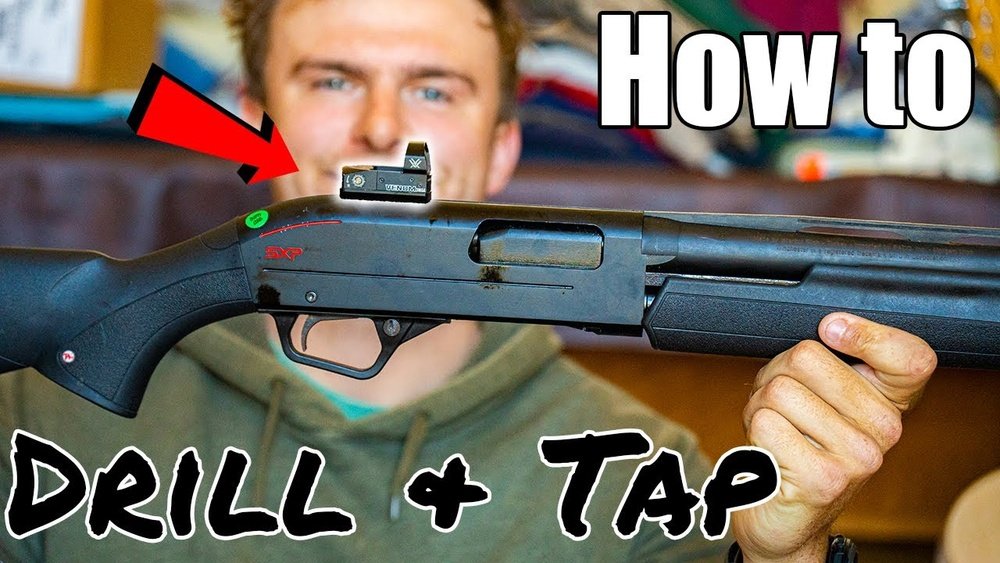
If you want to customize your rifle or add accessories like a scope mount, learning how to drill and tap a rifle barrel is a skill you need. It might sound complicated, but with the right steps and tools, you can do it safely and accurately.
In this guide, you’ll discover simple tips and clear instructions that make the process easier than you think. Keep reading, and by the end, you’ll have the confidence to upgrade your rifle exactly the way you want.
Choosing The Right Tools
Choosing the right tools is key to drilling and tapping a rifle barrel safely and accurately. The correct tools ensure clean holes and strong threads. Poor choices can damage the barrel or create unsafe conditions. Focus on quality and fit for each step of the process.
Selecting Drill Bits
Choose drill bits designed for metal work. High-speed steel (HSS) bits work well on rifle barrels. The bit size must match the tap size to avoid loose or tight threads. Use sharp bits to prevent wandering and overheating. Replace dull bits immediately for clean cuts.
Taps And Tap Handles
Select taps made for threading steel. Spiral point taps push chips forward, reducing clogging. Use a tap handle that offers good control and even pressure. Avoid using pliers or makeshift handles, as they can break the tap or ruin the threads. Step taps help create threads gradually and reduce stress.
Lubricants And Coolants
Apply lubricant to reduce friction and heat. Cutting oil or tapping fluid works best for steel barrels. Coolants extend tool life and improve thread quality. Use a steady flow of lubricant during drilling and tapping. Avoid dry cutting, as it causes tool wear and poor results.

Credit: www.youtube.com
Preparing The Rifle Barrel
Preparing the rifle barrel is a crucial step before drilling and tapping. It ensures safety and accuracy. Careful preparation helps avoid damage to the barrel and tools. Follow these simple steps to get your barrel ready for the process.
Cleaning And Inspecting
Start by cleaning the barrel thoroughly. Remove all dirt, oil, and debris. Use a good solvent and a cleaning patch. Check inside and outside the barrel for any damage. Look for rust, cracks, or dents. Make sure the barrel is dry before moving on.
Marking The Drill Points
Identify exact spots where you will drill. Use a fine-tip marker or scribe tool. Double-check measurements for accuracy. Mark lightly to avoid errors. Accurate marks guide the drill and prevent mistakes. Take your time with this step.
Securing The Barrel
Place the barrel in a stable vise or clamp. Use soft jaws to protect the surface. Tighten the clamp firmly to stop movement. The barrel must not shift during drilling. Proper securing keeps your work safe and precise.
Drilling The Barrel
Drilling the barrel is a key step in customizing a rifle. It requires care and precision. This process creates the hole where the tap will cut threads. Doing it right ensures a strong and safe attachment.
Drill Speed And Pressure
Use a slow drill speed to avoid overheating the metal. High speed can cause damage and dull the drill bit. Apply steady, gentle pressure. Pressing too hard may bend the drill or ruin the barrel. Let the drill do the work.
Avoiding Barrel Damage
Protect the barrel’s surface by clamping it firmly. Use a soft jaw or padding to prevent scratches. Keep the drill straight and aligned with the barrel axis. Avoid wobbling, which can cause uneven holes. Take breaks to cool the barrel if it heats up.
Clearing Debris
Metal shavings can block the drill bit’s path. Stop regularly to clear debris with a brush or compressed air. This helps maintain clean cuts and prevents the drill from sticking. Clean work improves thread quality and barrel safety.
Tapping The Threads
Tapping the threads in a rifle barrel is a crucial step. It creates the internal spiral grooves that hold screws or attachments firmly. Correct tapping ensures a strong, lasting fit and prevents damage to the barrel. This process needs careful attention and the right tools. Below are key points to help you tap threads correctly.
Choosing Thread Size And Pitch
Select the correct thread size for your barrel. The size must match the parts you plan to attach. Thread pitch means the distance between thread crests. It must also match to ensure proper fit. Using the wrong size or pitch can cause loose or stripped threads. Check manufacturer specs or use a thread gauge for accuracy.
Tapping Techniques
Use a sharp tap made for metal. Start slowly and apply steady pressure. Turn the tap a half or full turn, then back off slightly. This clears metal shavings from the threads. Avoid forcing the tap. Stop if you feel resistance to prevent damage. Use cutting oil to reduce friction and keep the tap cool.
Maintaining Thread Alignment
Keep the tap perfectly straight with the barrel axis. Misalignment causes crooked threads that weaken the hold. Use a tapping guide or drill press if available. Check alignment often during tapping. Correct any tilt before continuing. Straight threads provide a secure fit and extend barrel life.
Post-drilling Care
After drilling and tapping a rifle barrel, proper care is crucial. This step ensures the threads stay clean and strong. It helps avoid damage and keeps the barrel ready for use. Taking time for post-drilling care protects your work and extends the barrel’s life.
Cleaning The Threads
Remove all metal shavings from the threads. Use a small brush or compressed air for thorough cleaning. Dirt or debris can cause problems when attaching parts. Clean threads help the screw fit smoothly and securely.
Inspecting For Imperfections
Check the threads carefully for any cuts or cracks. Use good lighting and a magnifying glass if needed. Imperfections weaken the threads and may cause failure. Fix small issues before assembling your rifle parts.
Applying Protective Coatings
Apply a light coat of oil or anti-corrosion spray on the threads. This prevents rust and keeps the metal in good condition. Use coatings designed for firearms to ensure safety and durability. A thin layer is enough to protect without affecting fit.

Credit: rifleshooter.com
Common Mistakes To Avoid
Drilling and tapping a rifle barrel requires care and focus. Mistakes can cause damage or poor results. Avoiding common errors saves time and ensures safety. This section highlights key mistakes to watch out for during the process.
Misalignment Issues
Aligning the drill and tap is crucial. Even a small angle can ruin the hole. Misalignment causes threads to form unevenly. This weakens the connection and may cause failure. Use a proper jig or guide to keep tools straight. Check alignment often during the process.
Overheating The Barrel
Drilling and tapping generate heat. Too much heat can weaken the barrel metal. Overheating may cause warping or loss of strength. Use cutting oil or lubricant to cool the area. Work slowly and pause if the barrel gets hot. Let it cool before continuing.
Using Incorrect Tools
Choosing the right tools is vital. Using wrong drill bits or taps damages the barrel. Tools must match the barrel size and thread type. Cheap or dull tools increase risk of mistakes. Invest in quality tools for clean, precise holes. Always check tool condition before starting.
Safety Tips During The Process
Drilling and tapping a rifle barrel requires great care. Safety is the top priority during this process. Taking proper precautions prevents accidents and protects your health. Follow these safety tips closely to work safely and confidently.
Protective Gear
Always wear safety goggles to protect your eyes from metal shavings. Use gloves to shield your hands from sharp edges and hot surfaces. Hearing protection helps reduce noise from drills and taps. Wear a dust mask to avoid inhaling metal dust. Proper gear keeps you safe throughout the task.
Handling The Rifle Safely
Ensure the rifle is completely unloaded before starting. Double-check the chamber and magazine for any rounds. Keep the barrel pointed away from yourself and others. Use a secure vise or clamp to hold the barrel steady. Avoid rushing to reduce the risk of slips or mistakes.
Work Area Setup
Set up a clean, well-lit workspace with plenty of room. Remove all distractions and keep tools organized nearby. Use a sturdy workbench to prevent wobbling during drilling. Keep a fire extinguisher close in case of sparks. Good setup creates a safe, efficient working environment.

Credit: rifleshooter.com
Frequently Asked Questions
What Tools Are Needed To Drill And Tap A Rifle Barrel?
You need a drill press, the correct drill bit, a tap, cutting oil, and a vise. These tools ensure precision and safety during the process.
How Do You Choose The Right Drill Bit Size?
Select the drill bit size based on the tap chart for your thread size. This ensures proper thread formation and prevents barrel damage.
Can Anyone Drill And Tap A Rifle Barrel Safely?
With proper knowledge, tools, and safety precautions, yes. However, experience is crucial to avoid damage and ensure accuracy.
What Is The Purpose Of Tapping A Rifle Barrel?
Tapping allows installation of accessories like muzzle brakes or suppressors. It creates threads inside the barrel for secure attachment.
Conclusion
Drilling and tapping a rifle barrel takes care and focus. Use the right tools and follow each step with patience. Take your time to measure and mark accurately. Keep the barrel steady to avoid mistakes. Clean the hole well before tapping threads.
Practice on scrap metal if unsure. Doing it right ensures safety and good results. Remember, safety first and work slowly. This skill helps customize and maintain your rifle better.
