


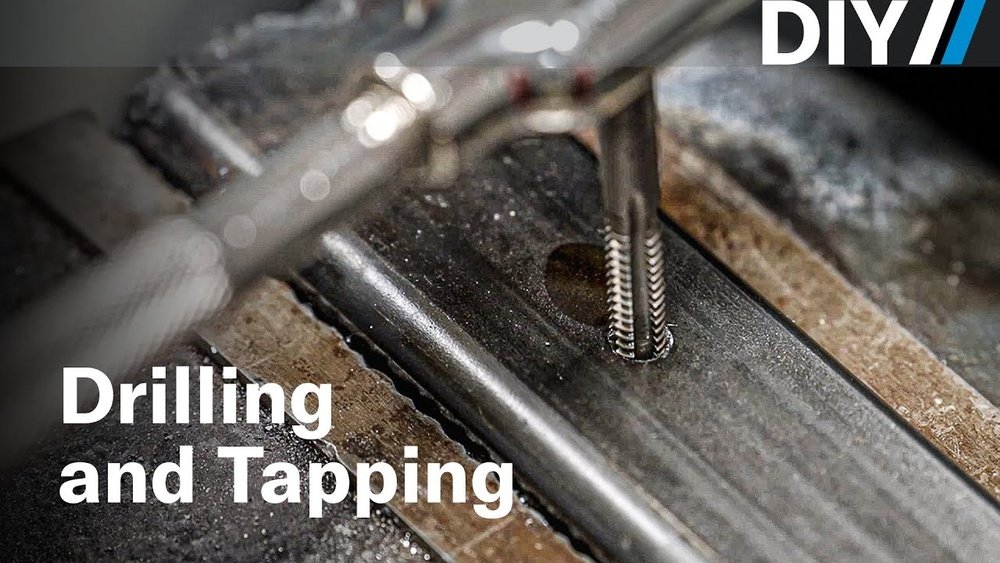
If you’ve ever needed to create strong, secure threads in steel for bolts or screws, knowing how to drill and tap steel is a skill you must master. It might sound tricky, but with the right steps and tools, you can do it yourself with confidence.
Imagine saving time and money by handling this task on your own—no waiting for a professional or struggling with damaged threads. In this guide, you’ll discover simple, clear instructions that make the process easy to follow. Ready to take control of your project and get perfect threads every time?
Let’s dive in.
Choosing The Right Tools
Choosing the right tools is key for drilling and tapping steel. Good tools make the job easier and safer. They help create clean, precise holes and threads. Using the wrong tools can cause damage or break the tools. Understanding the types of drill bits, taps, and accessories is important. This section explains what tools to pick for steel work.
Selecting Drill Bits For Steel
Pick drill bits made for metal drilling. High-speed steel (HSS) bits work well for most steel types. Cobalt bits are harder and last longer on tough steel. Look for bits with a 135-degree split point. They start holes easily and reduce slipping. Keep bits sharp to drill clean holes fast.
Types Of Taps And Their Uses
Taps cut threads inside drilled holes. Choose taps based on the thread type and size. Hand taps come in three sets: taper, plug, and bottoming. Taper taps start threads smoothly. Plug taps cut threads deeper. Bottoming taps finish the thread at the hole’s bottom. Spiral point taps push chips forward and work well in through holes. Spiral flute taps pull chips out and suit blind holes.
Essential Accessories
Use cutting oil to reduce heat and wear on tools. A tap wrench holds taps securely for better control. A center punch makes a small dent to guide the drill bit. A drill press can help keep holes straight and accurate. Clean chips away often to avoid clogging and tool damage.
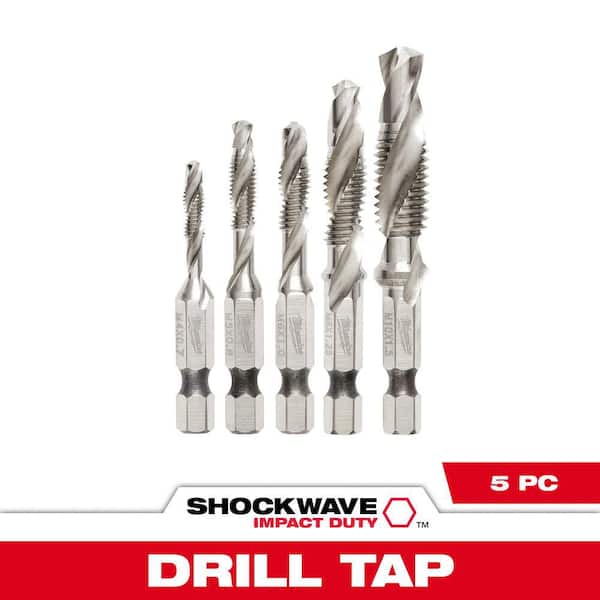
Credit: www.homedepot.com
Preparing The Steel Surface
Preparing the steel surface is the first step in drilling and tapping. A clean, well-prepared surface helps ensure accuracy and extends the tool’s life. Proper preparation reduces mistakes and makes the process smoother. Follow these steps carefully for the best results.
Marking The Drill Point
Start by marking the exact spot where you will drill. Use a center punch to make a small dent. This dent stops the drill bit from slipping. Measure twice to avoid errors. A clear mark guides the drill and improves precision.
Securing The Workpiece
Hold the steel firmly in place. Use a clamp or vise to prevent movement. A steady workpiece keeps the hole straight. Movement can cause the drill bit to break or create a poor hole. Safety and accuracy depend on a secure hold.
Lubrication And Cooling
Apply cutting fluid or oil before drilling. Lubrication reduces heat and friction. Cooling helps protect the drill bit and steel. Use a steady flow of lubricant during the process. This keeps tools sharp and improves the quality of the hole.
Drilling Techniques
Drilling steel needs careful technique for clean and accurate holes. The right drilling methods make the process easier and safer. Using proper speed, pressure, and tools helps avoid damage and errors. This section covers key drilling techniques to prepare steel for tapping.
Drill Speed And Pressure
Use a slow drill speed for steel. High speeds cause heat and dull the drill bit. Start with a slow speed and increase slightly if needed. Apply steady pressure, not too hard or soft. Too much force can break the bit. Too little pressure causes the drill to slip.
Avoiding Common Drilling Errors
Keep the drill bit straight to prevent angled holes. Use cutting oil to cool and lubricate the drill. Avoid pushing the drill too fast, which can damage the steel. Clean metal shavings often to stop clogging. Change dull bits to keep cuts smooth.
Drilling Pilot Holes
Start with a smaller drill bit to make a pilot hole. Pilot holes guide the larger drill bit and reduce stress. They help keep the hole centered and prevent cracking. Use the right size pilot hole for the final drill bit.

Credit: drillsandcutters.com
Tapping Methods
Tapping steel requires careful choice of method. The tapping method affects the quality and speed of threading. This section explains common tapping methods to help you decide.
Hand Tapping Vs. Machine Tapping
Hand tapping uses a tap wrench and manual force. It suits small jobs and tight spaces. It is slower but offers more control.
Machine tapping uses power tools or machines. It works faster and is best for many holes. It needs steady alignment to avoid broken taps.
Choose hand tapping for precision and small tasks. Pick machine tapping for speed and volume.
Starting The Tap Correctly
Start the tap straight and square to the hole. This prevents crooked threads and tap breakage. Use a guide or drill press if possible.
Turn the tap slowly and apply light pressure. Avoid forcing it. Check that the tap cuts smoothly into the steel.
Clearing Chips And Maintaining Alignment
Remove metal chips often to avoid clogging. Back the tap out slightly every few turns. This clears chips and cools the tap.
Keep the tap aligned with the hole axis throughout. Misalignment causes poor threads and tap damage. Use steady hands or a tapping guide.
Troubleshooting Threading Issues
Threading steel can be tricky. Problems may happen during drilling and tapping. Fixing these issues quickly keeps your project on track. Understanding common problems helps you avoid delays and extra costs.
Dealing With Broken Taps
Broken taps can stop your work fast. To remove a broken tap, use pliers or a tap extractor. Turn it slowly to avoid more damage. Apply cutting oil for easier removal. Replace taps often to prevent breakage.
Fixing Cross-threading
Cross-threading happens when the tap is not aligned. This damages the threads and makes screws hard to fit. Remove the tap and start again carefully. Use a guide or a drill press for better alignment. Check the threads with a tap gauge before moving on.
Repairing Damaged Threads
Damaged threads reduce the strength of the connection. Use a thread file or a tap to clean minor damage. For bigger damage, use a thread repair kit. Insert a coil or a wire to restore thread shape. Test the repaired threads with a matching bolt to ensure fit.

Credit: www.youtube.com
Safety Tips And Best Practices
Drilling and tapping steel requires careful attention to safety. Following safety tips helps avoid accidents and injuries. It also improves the quality of your work. Protect yourself and others by practicing these best practices every time you work with steel.
Protective Gear Recommendations
Always wear safety goggles to protect your eyes from metal chips. Use gloves to shield your hands from sharp edges and hot surfaces. Wear a dust mask to avoid breathing in metal dust. Long sleeves and closed-toe shoes provide extra protection. Never skip your protective gear, even for small jobs.
Maintaining Tools For Longevity
Keep drill bits and taps sharp to reduce slipping and breaking. Clean tools after each use to prevent rust and buildup. Lubricate taps and drill bits to make cutting easier. Inspect tools regularly for damage or wear. Replace worn tools promptly to ensure safe, smooth operation.
Workplace Safety Measures
Secure the steel firmly before drilling or tapping to avoid movement. Clear your work area of clutter and obstacles. Use proper lighting to see clearly and avoid mistakes. Keep a first aid kit nearby in case of minor injuries. Always follow the machine’s safety instructions carefully.
Frequently Asked Questions
What Tools Are Needed To Drill And Tap Steel?
You need a drill, drill bits, a tap, a tap wrench, cutting fluid, and safety gear. Proper tools ensure clean, precise holes and threads.
How Do I Choose The Correct Drill Bit Size?
Select a drill bit size matching the tap’s recommended hole diameter. This ensures proper thread fit and avoids damaging the steel.
What Is The Best Technique For Tapping Steel?
Use cutting fluid, drill a pilot hole, and tap slowly with steady pressure. Reverse the tap occasionally to clear chips and prevent breakage.
Can I Drill And Tap Hardened Steel?
Yes, but use cobalt or carbide drill bits and taps. Apply plenty of cutting fluid and proceed slowly to avoid tool damage.
Conclusion
Drilling and tapping steel takes care and the right tools. Follow steps slowly and use proper drills and taps. Keep the steel steady and use cutting oil often. Check your work to avoid mistakes. Practice helps build confidence and skill.
This guide gives a clear path to start your work. Stay patient, and you will improve with time.
