


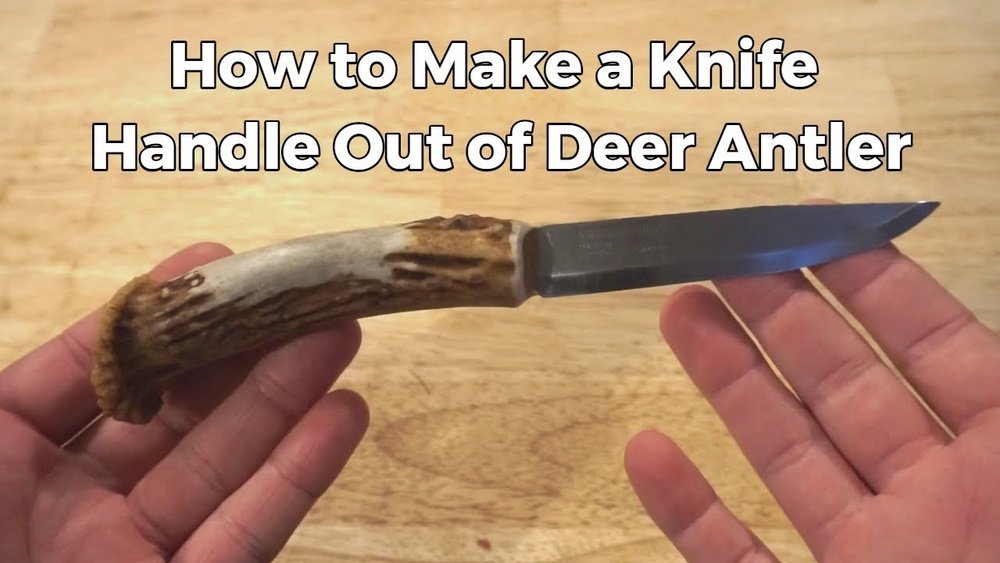
If you’re looking to create a unique, sturdy knife handle, drilling into antler is a skill you need to master. But drilling antler isn’t as simple as it sounds—you need the right tools, techniques, and a steady hand to avoid cracking or damaging it.
In this guide, you’ll discover easy-to-follow steps that make the process smooth and effective. Whether you’re a beginner or have some experience, this article will help you turn your antler into a perfect knife handle that lasts. Keep reading to learn how to drill antler safely and confidently.
Choosing The Right Antler
Choosing the right antler is the first step to a strong and beautiful knife handle. Not all antlers work well for drilling or shaping. The type, quality, and condition of the antler matter. Picking the best piece ensures your knife handle will last and look great. This section guides you through selecting the perfect antler for your project.
Types Of Antlers Suitable For Handles
Deer, elk, and moose antlers are popular for knife handles. Deer antlers are common and easy to find. Elk antlers are thicker and offer more material to work with. Moose antlers are larger but harder to shape. Choose based on the size and style of your knife. Shed antlers are easier to collect and usually free from cuts or damage.
Selecting Quality Antler Pieces
Look for antlers without cracks or holes. Solid, dense antlers hold up better when drilled. Avoid pieces that feel soft or brittle. The color should be consistent and natural. Dark spots or signs of rot mean the antler is weak. Pick antlers with smooth surfaces to make shaping easier.
Preparing Antler For Drilling
Clean the antler with a brush and mild soap. Dry it completely before drilling. Mark the spots carefully for holes. Use a clamp to hold the antler steady. Start with small drill bits to avoid splitting. Work slowly and keep the drill steady for best results.
Essential Tools And Materials
Drilling antler for a knife handle needs the right tools and materials. These ensure clean holes and a strong fit. Using proper supplies makes the task easier and safer. Below are the essentials you must have before starting your project.
Drill Types And Bits
Choose a drill with good control and power. A corded or cordless drill can work well. Select drill bits made for hard materials like bone or wood. Twist bits and brad point bits are common choices. Use smaller bits first, then widen the hole carefully.
Safety Gear And Accessories
Protect your eyes with safety goggles. Dust masks keep you from breathing in fine particles. Wear gloves to avoid splinters and improve grip. Use clamps or a vise to hold the antler steady. These tools help keep your hands safe during drilling.
Additional Supplies For Finishing
Sandpaper smooths rough edges after drilling. Use fine grit for a clean finish. Wood glue or epoxy helps attach the blade to the antler. Cleaning cloths remove dust and dirt before assembly. These supplies improve your knife handle’s look and strength.
Marking And Measuring Drill Points
Marking and measuring drill points is the first step to a perfect knife handle. It sets the foundation for accurate drilling. Precise marks help avoid mistakes. Careful measuring ensures the holes align well with the tang of the knife. Take time here to get it right. This saves effort and material later.
Determining Drill Hole Location
Start by looking at the tang of your knife. Notice where the holes need to go. Mark spots on the antler where the tang holes will align. Check that the holes are evenly spaced. Avoid placing holes too close to the edges. This prevents cracking or splitting.
Using Templates And Guides
Templates help keep your drill points consistent. Use a paper or plastic template matching the tang size. Place it on the antler and mark through the holes. Guides like rulers or calipers can help keep measurements steady. They ensure the holes stay in the right spots each time.
Tips For Accurate Measurements
Use a sharp pencil or fine marker to mark drill points. Small marks reduce confusion during drilling. Measure twice before marking once. Double-check distances between holes and edges. Hold the antler firmly while marking to avoid slips. Accurate marks lead to smooth drilling and a strong handle.

Credit: www.instructables.com
Drilling Techniques For Antler
Drilling antler for a knife handle requires care and the right methods. Antler is hard but can crack easily. Using proper drilling techniques helps create clean holes without damage. These tips improve your work and keep the antler strong.
Drilling Speed And Pressure Control
Keep the drill speed slow and steady. High speed causes heat and can burn the antler. Use light pressure to avoid cracks. Pressing too hard pushes the drill bit too fast. Let the drill do the work without forcing it.
Preventing Cracks And Splits
Start with a small drill bit to make a pilot hole. This guides the larger bit and reduces stress. Drill in short bursts and pull the bit out often. This clears dust and cools the antler. Avoid drilling near the edges to stop splits.
Step-by-step Drilling Process
First, mark the drill spot clearly on the antler. Attach a small drill bit to create a pilot hole. Drill slowly, applying gentle pressure. Next, switch to the final drill bit size. Drill carefully, removing the bit often. Finish by smoothing the hole edges with sandpaper.
Finishing And Smoothing Drill Holes
Finishing and smoothing drill holes in an antler knife handle is key to a clean, professional look. Sharp edges and rough spots can cause discomfort or even damage the handle over time. Careful finishing makes the handle safe to use and visually appealing. This section guides you through simple steps to perfect your drilled holes.
Removing Burrs And Rough Edges
Burrs are tiny, sharp bits left after drilling. They can catch on skin or clothes. Use a small file or a fine-grit sandpaper to gently remove these edges. Work slowly and check often. Make sure the hole edges feel smooth to your fingers. Removing burrs prevents cracks and improves the handle’s durability.
Sanding And Polishing Tips
Start with medium-grit sandpaper inside the holes. Move to finer grits for a smooth finish. Use a small dowel wrapped with sandpaper to reach inside. Polish the surface with a soft cloth and a bit of polishing compound. This step enhances the antler’s natural shine and smoothness. A smooth hole also helps the handle fit better on the knife tang.
Sealing The Antler Surface
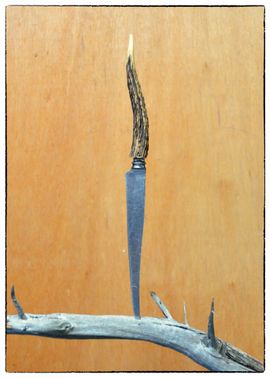
Sealing protects the antler from moisture and dirt. Choose a clear, non-yellowing sealant made for natural materials. Apply a thin coat with a brush or cloth. Let it dry fully before handling. Sealing keeps the antler strong and beautiful for years. It also makes cleaning the handle easier after use.
Credit: www.instructables.com
Attaching The Antler Handle
Attaching the antler handle to the knife is a key step in knife making. It gives the knife its character and strength. Proper attachment ensures the handle stays firm during use. Follow these steps carefully for a secure fit and lasting bond.
Fitting The Handle To The Knife Tang
Start by matching the antler handle to the knife tang. The tang is the metal part inside the handle. Check the size and shape of the hole you drilled in the antler. It must fit the tang without too much force. Trim or sand the hole slightly for a snug fit. Make sure the tang slides in straight and deep enough to hold well.
Using Adhesives And Fasteners
Apply a strong adhesive inside the hole before inserting the tang. Epoxy resin is a popular choice for its strength and durability. Spread the glue evenly to cover all contact surfaces. Insert the tang carefully and wipe off any extra glue. Some makers also use pins or small screws to add extra hold. Drill small holes through the handle and tang for these fasteners if needed.
Ensuring A Secure And Durable Bond
Clamp the handle tightly to the tang after gluing. This prevents movement and allows the glue to cure properly. Leave the clamp in place for at least 24 hours. Avoid handling the knife during this time. Once dry, check the handle for any looseness. Sand and finish the handle surface to smooth out rough edges. A well-attached antler handle lasts for years and feels great in the hand.
Maintenance And Care For Antler Handles
Antler handles add a natural and rustic look to knives. They need simple care to keep their beauty and strength. Proper maintenance helps the antler last longer and stay strong. Small habits protect the handle from damage and wear. Here are key ways to care for your antler knife handle.
Cleaning And Conditioning
Clean the antler handle gently using a soft cloth. Avoid soaking it in water or harsh chemicals. Use mild soap and water if dirt is tough to remove. Dry the handle completely after cleaning.
Condition the antler with natural oils like mineral oil. This keeps the handle from drying and cracking. Apply a small amount with a cloth and rub it in. Wipe off any extra oil to avoid a sticky feel.
Preventing Damage Over Time
Keep the knife away from extreme heat or cold. These can cause the antler to crack or warp. Store the knife in a dry place to avoid moisture damage. Avoid dropping or banging the handle on hard surfaces.
Use the knife carefully. Don’t use the handle for prying or heavy tasks. This helps prevent chips and breaks in the antler.
Restoring Worn Handles
Light scratches or dullness can be fixed with fine sandpaper. Sand gently to smooth out the surface. After sanding, clean and reapply oil to restore shine.
For deeper cracks, use wood filler or epoxy made for natural materials. Fill the cracks carefully and let it dry fully. Sand and oil the handle after repairs for the best look.

Credit: www.youtube.com
Frequently Asked Questions
How Do You Prepare Antler For Drilling?
Clean the antler surface thoroughly and mark the drill spots. Use a clamp to secure it, ensuring stability before drilling.
What Drill Bit Is Best For Antler Handles?
Use a sharp, high-speed steel or carbide drill bit. These bits prevent cracking and ensure smooth, precise holes.
How To Avoid Cracking Antler When Drilling?
Drill slowly with steady pressure and use a lubricant like water. Avoid forcing the drill to prevent splitting the antler.
What Safety Tips Apply When Drilling Antler?
Wear safety goggles and a dust mask. Secure the antler firmly and work in a well-ventilated area to avoid inhaling dust.
Conclusion
Drilling antler for a knife handle takes care and patience. Choose the right drill bit and work slowly to avoid cracks. Keep the antler steady and use light pressure while drilling. Take breaks to cool the material and check your progress.
With practice, you can create a strong, unique handle. Enjoy crafting your personalized knife with confidence and skill.
