


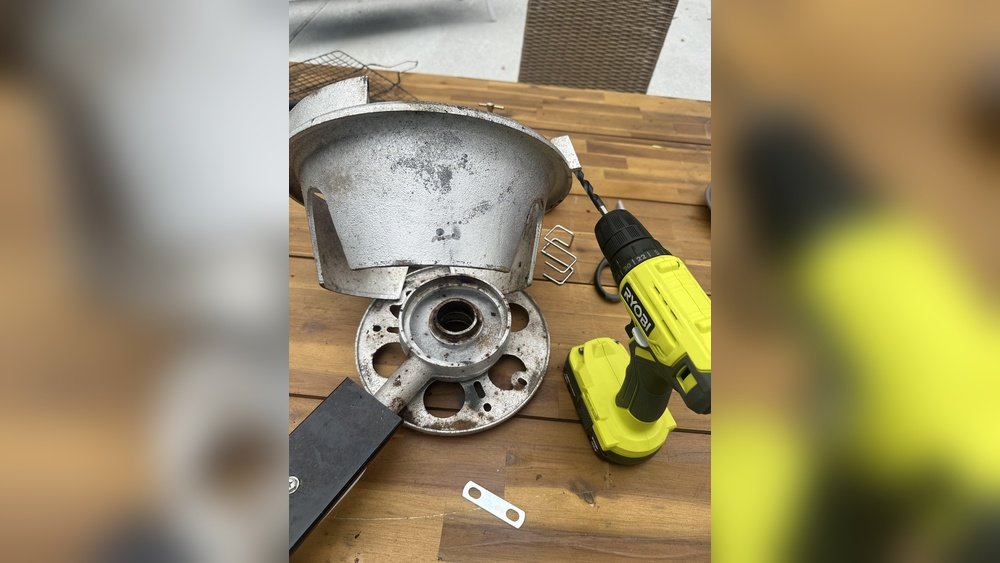
Drilling into cast iron might seem tricky, but with the right approach, you can do it safely and effectively using a cordless drill. If you’re worried about cracking, overheating, or damaging your tools, this guide is for you.
You’ll learn simple steps and insider tips that make the job easier than you expect. By the end, you’ll feel confident tackling your project without stress or guesswork. Ready to master drilling cast iron with your cordless drill? Let’s dive in and get started!

Credit: www.amazon.com
Choosing The Right Drill
Choosing the right drill is key to drilling cast iron safely and effectively. Not all drills handle metal well. Some cordless drills work better with tough materials like cast iron. Picking the right one saves time and effort.
Cordless Drill Features
Look for a drill with a strong motor. It should have at least 18 volts for power. A metal gear system lasts longer under pressure. A comfortable grip helps control the drill during use. Check if the drill has a built-in LED light for better visibility.
Battery Life And Power
Battery life matters. A strong battery lets you work longer without stopping. Lithium-ion batteries are lighter and hold charge well. Choose a drill with fast charging to reduce downtime. More power means the drill can handle thick cast iron without slowing down.
Drill Speed Settings
Adjustable speed settings allow better control over drilling speed. Lower speeds work best for drilling cast iron. High speed can cause the drill bit to overheat. A drill with multiple speed options helps match the speed to the task. This improves precision and reduces wear on the drill bit.
Selecting Drill Bits For Cast Iron
Selecting the right drill bits is important for drilling cast iron with a cordless drill. The wrong bit can cause damage or make drilling harder. Choosing bits made for metal and cast iron helps achieve clean and accurate holes. This section explains the main types of drill bits, coatings, materials, and size choices for cast iron drilling.
Types Of Drill Bits
High-speed steel (HSS) bits are common and work well on cast iron. Cobalt bits are stronger and last longer. They handle heat better during drilling. Carbide-tipped bits are very hard and stay sharp, but they are more expensive. Choose bits designed for metal, not wood or masonry.
Coating And Material
Coatings help reduce friction and heat. Titanium-coated bits last longer and work smoothly. Black oxide coating also improves durability and reduces wear. Plain steel bits wear out faster on cast iron. Pick coated bits for better performance and longer use.
Bit Size Considerations
Start with a small pilot hole to guide larger bits. Use bits that match the hole size needed. Avoid bits that are too big or too small for the task. Using the right size prevents cracks in the cast iron. Gradually increase bit size for deeper holes.
Preparing The Cast Iron Surface
Preparing the cast iron surface is essential before drilling. It helps create a clean, safe workspace. Proper preparation reduces the chance of mistakes and damage to the material. Follow these steps to get your cast iron ready for drilling.
Cleaning The Surface
Start by removing dirt, rust, and grease from the cast iron. Use a wire brush or sandpaper to clean the area. Wipe the surface with a cloth soaked in rubbing alcohol. A clean surface helps the drill bit stay steady and sharp.
Marking Drill Points
Mark the exact spots where you want to drill. Use a pencil or a marker for clear visibility. To prevent the drill bit from slipping, make small indentations with a center punch. This step increases drilling accuracy and saves time.
Securing The Workpiece
Fix the cast iron piece firmly to your workbench. Use clamps or a vise to hold it in place. A stable workpiece prevents movement and improves safety. It also ensures cleaner and more precise holes during drilling.
Drilling Techniques
Drilling cast iron with a cordless drill requires careful techniques. Using the right approach helps avoid damage and ensures a clean hole. Follow these key steps to drill safely and effectively.
Starting The Hole
Begin by marking the spot clearly. Use a center punch to make a small dent. This keeps the drill bit from slipping. Start drilling at a slow speed to control the bit.
Maintaining Drill Speed
Keep a steady speed while drilling. Too fast can cause overheating and bit wear. Too slow may cause the bit to get stuck. Find a balance to cut smoothly through the metal.
Applying Proper Pressure
Press the drill gently but firmly. Avoid pushing too hard to prevent cracking the cast iron. Let the drill bit do the work. Steady pressure keeps the hole straight and clean.
Cooling And Lubrication
Cast iron heats up quickly during drilling. Use cutting oil or water to cool the bit. Apply lubricant regularly to reduce friction. This extends bit life and improves drilling quality.
Safety Tips
Drilling cast iron with a cordless drill requires care. Safety is key to avoid injuries and damage. Cast iron can be tough and produce sharp debris. Following safety tips keeps you safe and makes the job easier.
Protective Gear
Always wear safety goggles. They protect your eyes from flying metal chips. Use gloves to protect your hands from sharp edges. A dust mask helps avoid breathing in tiny particles. Wear long sleeves to shield your arms. Proper gear reduces injury risks significantly.
Handling Heat And Debris
Drilling cast iron creates heat quickly. Stop often to let the drill bit cool down. Use cutting oil to reduce heat and friction. Hot metal chips can cause burns, so avoid touching the drill area. Clear debris carefully using a brush, not your hands. Keep your workspace clean for safety and efficiency.
Avoiding Common Mistakes
Do not force the drill; let the bit do the work. Using the wrong drill bit can break the tool or damage the metal. Avoid high speed settings; slower speeds work better for cast iron. Always secure the cast iron firmly to prevent slipping. Check your drill and bit before starting. Mistakes can cause accidents or ruin your project.

Credit: www.tractorsupply.com
Troubleshooting Common Issues
Drilling cast iron with a cordless drill can be tricky. Common problems may slow your work or damage the material. Knowing how to fix these issues helps keep your project on track. Below are common problems and simple solutions.
Bit Slipping Or Breaking
Bit slipping happens when the drill bit loses grip on the metal. This can cause uneven holes or break the bit. Make sure to use a sharp, high-quality bit made for metal. Hold the drill steady and apply firm, even pressure. Avoid pushing too hard, as this can break the bit. A slower drill speed often helps reduce slipping.
Overheating Drill Or Bit
Overheating can ruin both the drill and bit. Metal drilling creates heat fast. Stop drilling every few seconds to let the bit cool down. Use cutting oil or lubricant to reduce heat and friction. Running the drill at a slow speed also helps keep temperatures down. If the drill feels too hot, pause and let it rest.
Uneven Or Damaged Holes
Uneven holes look rough and can damage the cast iron. This happens if the drill bit moves too much or the surface isn’t flat. Secure the piece tightly before drilling. Start with a small pilot hole to guide the larger bit. Keep the drill straight and steady throughout the process. Using the right drill bit size improves hole quality.

Credit: www.amazon.com
Frequently Asked Questions
What Drill Bit Is Best For Cast Iron?
Use a high-speed steel (HSS) bit or carbide-tipped bit. These bits resist heat and maintain sharpness while drilling cast iron.
How Do I Prevent Cast Iron From Cracking?
Drill slowly and use steady pressure. Lubricate the bit with oil to reduce heat and avoid cracking.
Can I Use A Cordless Drill For Cast Iron?
Yes, a cordless drill with variable speed works well. Use a low speed and steady pressure for best results.
Should I Pre-drill Holes In Cast Iron?
Yes, start with a small pilot hole. It guides the larger bit and reduces stress on the cast iron.
Conclusion
Drilling cast iron with a cordless drill is simple and safe. Use the right drill bit and steady pressure. Keep the drill speed low to avoid damage. Always wear safety gear to protect yourself. Take breaks to keep the drill cool.
With practice, your drilling will improve quickly. Enjoy working on your metal projects confidently. Remember, patience and care lead to the best results.
