


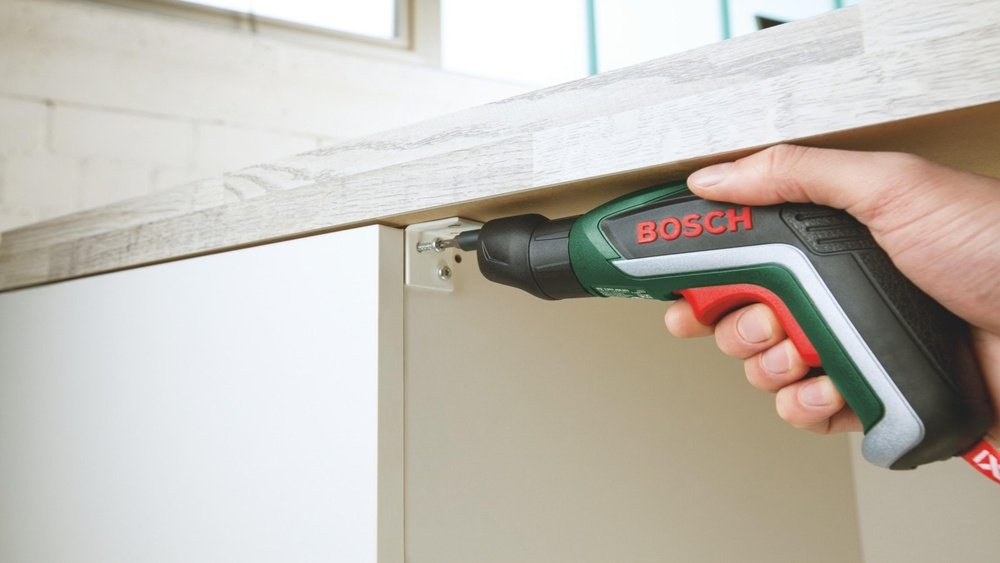
Have you ever tried to drill close to a wall and ended up with a crooked hole or damaged surface? It’s frustrating when your project doesn’t go as planned, especially when precision matters.
But what if you could learn a simple trick to drill perfectly near edges without stress or mistakes? You’ll discover easy steps and expert tips to help you drill close to a wall with confidence. Keep reading, and you’ll master this skill in no time—making your next DIY job smoother and more professional.

Credit: www.reddit.com
Choosing The Right Drill And Bit
Choosing the right drill and bit is key for drilling close to a wall. The right tools make the job easier and safer. Picking the wrong drill or bit can damage the wall or ruin your work. Understanding the types of drills and bits helps you select the best option for your task.
Types Of Drills Suitable For Wall Drilling
Cordless drills are popular for their ease of use and portability. They work well for most wall materials like drywall and wood. Hammer drills are better for harder surfaces like concrete or brick. They add a pounding action to drill through tough walls. Rotary drills are less common but useful for heavy-duty jobs. Choose a drill that fits the wall type and space near it.
Selecting The Correct Drill Bit Size
Pick a drill bit size that matches the screw or anchor size. A bit too large makes holes too big and loose. A bit too small can crack the wall or break the bit. Measure screws and anchors first to find the right diameter. Use masonry bits for brick and concrete walls. Wood or metal bits work for softer surfaces. Correct bit size ensures a clean, strong hole near the wall edge.
Preparing The Work Area
Preparing the work area is important before drilling close to a wall. This step helps keep the space safe and organized. It also makes drilling easier and more accurate. Taking time to prepare can prevent damage to the wall and nearby objects.
Clearing Space Near The Wall
Remove furniture and objects near the wall. This clears the area and gives you room to work. Moving items also protects them from dust and debris. Keep the floor free of clutter to avoid tripping hazards.
Cover the floor and furniture with a drop cloth. This catches dust and small debris. It makes cleanup faster and keeps the space tidy. Use painter’s tape to hold the cloth in place if needed.
Marking Precise Drill Points
Use a pencil to mark exact spots on the wall. Measure carefully to ensure correct placement. Use a level to keep marks straight and even. Clear, visible marks help guide the drill for accuracy.
Double-check the measurements before drilling. Mistakes can cause damage or require extra holes. Take your time to get the points right. This step sets the foundation for a clean and professional job.
Techniques For Drilling Near Walls
Drilling close to a wall can be tricky. The drill bit might slip or damage the surface. Using the right techniques helps keep the drill steady and precise. These methods reduce mistakes and protect your walls.
Using Angle Attachments
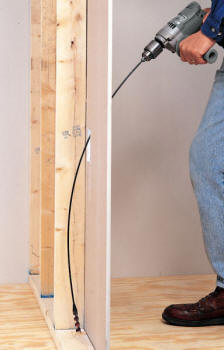
Angle attachments let you drill in tight spaces near walls. They connect to your drill and bend the drill bit at an angle. This helps reach spots straight drills cannot. Angle attachments keep your hands clear of the wall. They also prevent scratches and dents. Choose a sturdy attachment for better control.
Employing Drill Guides And Jigs
Drill guides and jigs help keep the drill steady near walls. They act like a frame to hold the drill in place. This stops the drill from moving sideways or slipping. Many guides have adjustable parts to fit different drill sizes. Using a guide ensures straight and clean holes. It also protects wall surfaces from damage.
Safety Measures To Follow
Drilling close to a wall needs careful safety steps. These steps protect you and your home. Following safety measures helps avoid damage and injury. It makes the job easier and safer.
Protecting Surrounding Surfaces
Cover floors and furniture with cloth or plastic sheets. This stops dust and debris from spreading. Use painter’s tape on the wall near the drill spot. It prevents paint or plaster from chipping. Clear the area of fragile items before starting. Keep a vacuum or brush handy to clean dust quickly.
Using Protective Gear
Wear safety glasses to protect your eyes from dust and chips. Use a dust mask to avoid breathing in fine particles. Gloves protect your hands from sharp edges and vibration. Ear protection helps reduce noise from the drill. Wear closed shoes to protect your feet from falling objects.
Common Challenges And Solutions
Drilling close to a wall can be tricky. Several common problems often arise during the process. Knowing these challenges helps to prepare and avoid damage. Simple solutions make the task easier and safer.
Avoiding Wall Damage
Drilling too close may crack or chip the wall. Always mark the spot clearly before drilling. Use painter’s tape on the wall to protect the surface. This tape reduces chipping and keeps dust off. Start with a small pilot hole to guide the drill. Drill slowly and gently near edges to prevent cracks.
Preventing Drill Bit Slippage
Slippage causes inaccurate holes and can harm the wall. Use a center punch or nail to make a small dent. This dent helps the drill bit grip the surface. Hold the drill steady and apply even pressure. Choose the right drill bit size for the job. A sharp bit cuts better and slips less.

Credit: www.amazon.com
Finishing Touches For Clean Results
Finishing touches are key to a neat and professional drilling job near walls. These small steps make your work look clean and protect the wall’s surface. Taking time to smooth and clean after drilling saves effort later. It also helps the drill holes blend in with the wall.
Smoothing Drill Holes
After drilling, the hole edges can be rough or chipped. Use fine sandpaper or a sanding block to gently smooth these edges. Sand around the hole in small circles until it feels even and soft. This step prevents paint or plaster from peeling around the hole later.
Be gentle to avoid widening the hole or damaging the wall. For very small holes, a nail file works well. Smoothing makes filling the holes easier too. It creates a clean base for any filler or paint you apply.
Cleaning Up Debris
Drilling leaves dust and small wall pieces on the surface. Use a soft brush or a vacuum with a nozzle attachment to remove all loose debris. Wipe the wall gently with a damp cloth to catch any fine dust left behind. Clean surfaces help paint and fillers stick better.
Clear work areas improve safety and prevent dirt from spreading to furniture or floors. Keep a trash bag nearby during drilling to collect debris quickly. A clean wall looks fresh and ready for any next steps in your project.
Credit: diy.stackexchange.com
Frequently Asked Questions
How Do I Drill Close To A Wall Without Damaging It?
Use a right-angle drill or a drill with a side handle. Mark your drilling spot precisely. Protect the wall with painter’s tape to avoid chips or cracks. Drill slowly and steadily for better control and accuracy.
What Drill Bit Is Best For Drilling Near A Wall?
Choose a short, high-quality drill bit for close-to-wall work. A stubby bit offers better control and reduces wobbling. Use masonry bits for concrete or brick walls. Ensure the bit matches your wall material for clean holes.
How Can I Avoid Dust When Drilling Near A Wall?
Place a dust collector or tape a paper funnel below the drilling spot. Use a vacuum cleaner close to the drill to catch dust. Drill slowly to minimize dust spread. Clean the area immediately after drilling to maintain neatness.
Can I Drill Close To A Painted Wall Without Peeling Paint?
Apply painter’s tape over the drilling area to protect paint. Use a sharp drill bit to reduce pressure and chipping. Drill slowly and avoid pushing too hard. Touch up with matching paint if minor chips occur.
Conclusion
Drilling close to a wall takes care and the right tools. Use a small drill bit and steady hands. Mark the spot clearly before you start. Keep the drill straight to avoid damage. Take your time and work slowly. This way, you get a clean hole without cracks.
Practice makes the job easier and safer. Now, you can hang shelves or pictures with confidence. Simple steps lead to great results.
