


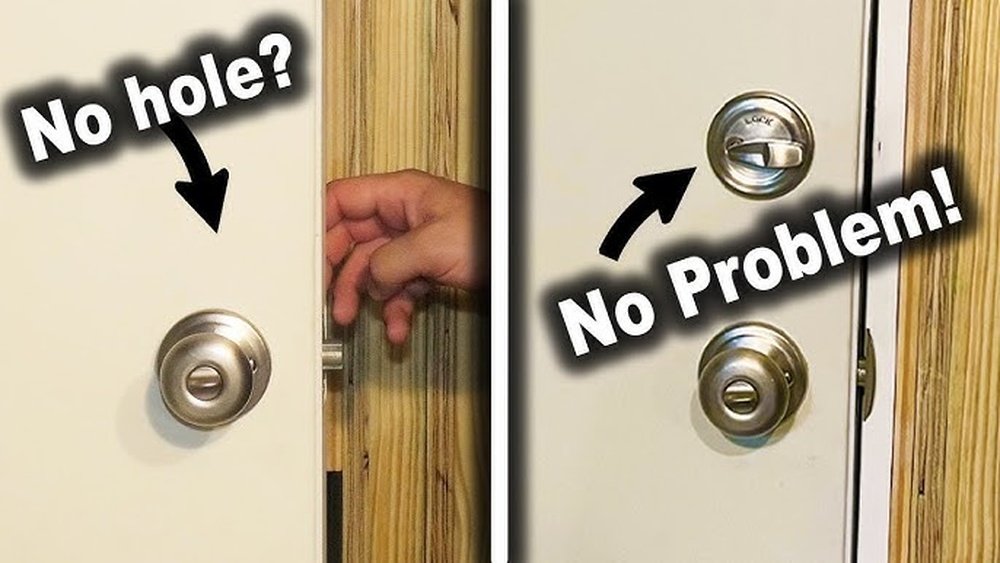
Are you looking to boost your home’s security by installing a deadbolt? Drilling a door for a deadbolt might sound tricky, but with the right steps, you can do it yourself and save money.
Imagine having the confidence that your door is strong and secure, protecting what matters most. In this guide, you’ll discover exactly how to drill your door for a deadbolt—quickly, safely, and without guesswork. Keep reading, and you’ll soon have the skills to make your home safer in no time.

Credit: www.familyhandyman.com
Tools And Materials Needed
Drilling a door for a deadbolt requires the right tools and materials. Having everything ready makes the job easier and faster. Using proper tools also ensures safety and precision.
Below are the essential tools and materials needed for drilling a door for a deadbolt.
Drill And Drill Bits
A power drill is necessary to make holes in the door. Use drill bits sized for the deadbolt lock. A hole saw drill bit is best for the large hole. Also, use spade bits for smaller holes.
Measuring Tape And Pencil
Measure the door carefully to mark the exact spots. Use a pencil to draw clear guidelines on the door. Accurate marking helps in drilling straight and precise holes.
Chisel And Hammer
Chisels help clean out the area for the deadbolt plate. A hammer is needed to tap the chisel gently. This makes the lock fit snugly into the door.
Deadbolt Lock Set
Have the deadbolt lock set on hand before starting. This includes the lock, strike plate, and screws. Checking the parts helps confirm the right hole sizes.
Safety Gear
Wear safety glasses to protect your eyes from debris. Use ear protection if the drill is noisy. Gloves can protect your hands while handling tools.
Choosing The Right Door
Choosing the right door is important before drilling for a deadbolt. The door must be strong enough to hold the lock and keep your home safe. Some doors work better than others for adding a deadbolt.
Check the door material. Solid wood doors are best. They offer good support for heavy locks. Hollow core doors are not strong and may not hold the deadbolt well.
Think about the door thickness. Most deadbolts fit doors that are 1 3/8 to 1 3/4 inches thick. If the door is thinner or thicker, you might need special parts.
Look at the door style. Some doors have glass panels or decorative designs. These can make drilling tricky. Avoid drilling through glass or fragile parts.
Solid Wood Doors
Solid wood doors provide excellent support. They hold the deadbolt securely in place. These doors resist break-ins better than hollow doors. Solid doors also last longer with heavy locks.
Metal Doors
Metal doors can also work well. They offer strong protection and durability. Drilling metal requires special drill bits. Make sure to use the right tools to avoid damage.
Hollow Core Doors
Hollow core doors are lightweight and less secure. They have a thin wood frame with empty space inside. Deadbolts may not hold firmly in these doors. Consider replacing the door before adding a deadbolt.
Door Thickness
Measure your door thickness before drilling. Most deadbolts fit standard thickness doors. Thicker or thinner doors may need special locks or plates. Accurate measurement ensures a proper fit and secure lock.
Marking The Drill Points
Marking the drill points is a key step in installing a deadbolt. It sets the stage for accurate drilling and a secure lock fit. Careful marking saves time and prevents mistakes. Follow clear steps to mark the points correctly.
Start with precise measurements and proper alignment. These steps ensure the holes line up with the deadbolt parts.
Measuring The Deadbolt Height
Measure the height where the deadbolt will sit on the door. Use a tape measure and mark this spot clearly. The standard height is usually 6 to 12 inches above the door handle. Mark the center point for the lock cylinder. Double-check the measurement to avoid errors.
Aligning The Template
Most deadbolt kits come with a paper or plastic template. Place this template on the door, matching the height mark. Align it with the door edge and make sure it is straight. Use a pencil to mark the drill points on the door through the template holes. Remove the template carefully without smudging the marks.
Drilling The Face Bore Hole
Drilling the face bore hole is the first step to install a deadbolt on your door. This hole allows the lock cylinder to fit properly. Precision and the right tools are key to a clean hole. This part of the process sets the stage for a secure lock installation.
Selecting The Drill Bit Size
Choose a drill bit that matches the deadbolt’s face bore diameter. Usually, this size is 2 1/8 inches. Check the lock instructions for exact measurements. Using the right size prevents a loose or tight fit. A hole too big or small can cause problems.
Drilling Techniques
Mark the drilling spot carefully on the door face. Use a pencil or masking tape for accuracy. Start drilling slowly to avoid splintering the wood. Keep the drill straight and steady. Stop and clear any wood chips often. This helps keep the hole clean and smooth.
Creating The Edge Bore Hole
Creating the edge bore hole is a key step in installing a deadbolt. It allows the bolt to fit perfectly into the door’s edge. This hole must be precise to ensure the lock works smoothly. A neat and accurate edge bore hole keeps the door strong and secure.
Marking The Edge Position
Start by measuring the right height on the door edge. Most deadbolts fit about 6 to 12 inches above the doorknob. Use a pencil to mark this spot clearly. Make sure the mark is centered on the door’s thickness. This guide helps you drill in the exact place.
Drilling The Edge Hole
Choose a drill bit that matches the deadbolt’s latch size. Usually, a 1-inch spade bit works well. Drill straight into the door edge at the marked point. Drill slowly to avoid splitting the wood. Stop once the hole reaches the depth needed for the latch. Clean the hole to remove any wood chips.
Chiseling The Mortise
Chiseling the mortise is a key step in installing a deadbolt. This process creates a space on the door edge for the lock’s faceplate. Precise chiseling ensures the deadbolt fits flush and works smoothly. A neat mortise also improves the door’s strength and appearance.
Preparing The Door Edge
Start by marking the outline of the faceplate on the door edge. Use the deadbolt as a guide. Draw clear lines with a pencil. Next, use a sharp chisel to score the outline. This prevents the wood from splintering. Chisel gently inside the lines, removing thin layers. Work slowly to reach the right depth. Check the depth often with the faceplate. The goal is a clean, shallow cavity matching the faceplate size.
Fitting The Deadbolt Faceplate
Place the deadbolt faceplate into the mortise. It should sit flat and flush with the door edge. If it sticks out, chisel a bit more wood carefully. Avoid making the cavity too deep. Once the faceplate fits well, mark screw holes on the door. Drill pilot holes to prevent wood splitting. Finally, screw the faceplate tightly in place. This secures the deadbolt and keeps the door sturdy.
Installing The Deadbolt
Installing the deadbolt is a key step after drilling the door. It ensures the lock fits well and works smoothly. Follow clear steps to place the deadbolt and secure the plates. This keeps your door safe and sturdy.
Inserting The Deadbolt Mechanism
Start by sliding the deadbolt into the hole on the door’s edge. Make sure the bolt moves freely. The bolt should extend and retract without sticking. Align it so the flat side faces the door frame. Tighten the screws that hold the bolt in place. Check that the bolt fits snugly but moves easily.
Attaching The Exterior And Interior Plates
Next, place the exterior plate with the keyhole on the outside of the door. Fit the interior plate with the thumb turn on the inside. Align both plates so they meet in the middle of the door. Insert screws through the holes and tighten them firmly. Ensure plates sit flat and do not wobble. Test the lock by turning the key and thumb turn to confirm smooth action.
Testing The Deadbolt Function
After installing the deadbolt, testing its function is crucial. This step ensures the lock works correctly and provides security. It also helps identify any issues before final use. Testing avoids problems like jamming or misalignment later.
Ensuring Smooth Operation
Turn the key or thumb turn slowly. Check if the bolt moves easily into the door frame. Listen for any unusual sounds like grinding or sticking. The bolt should slide smoothly without force. Test the lock several times to confirm consistent motion. Try locking and unlocking from both sides. This confirms the deadbolt works on all sides.
Adjusting If Necessary
If the bolt sticks or feels hard to turn, adjustments are needed. Tighten or loosen the screws on the lock plate slightly. Check the strike plate on the door frame. It may need to be moved or enlarged for better fit. Use a file to smooth rough edges if needed. Repeat testing after each adjustment. Continue until the deadbolt operates without resistance.
Tips For Avoiding Common Mistakes
Drilling a door for a deadbolt can be tricky. Mistakes waste time and can damage your door. Follow these tips to avoid common errors. Stay safe and get the job done right the first time.
Measure Twice, Drill Once
Mark the drill spots carefully. Use a tape measure and pencil. Double-check your measurements before drilling. This step prevents holes in the wrong place.
Use The Right Drill Bit
Choose a drill bit that fits the deadbolt size. A bit too large or small causes poor fitting. Use a spade bit for the main hole and a smaller one for the latch.
Drill Slowly And Steadily
Apply gentle, steady pressure while drilling. Fast drilling can crack the door or make uneven holes. Keep the drill straight to avoid angled holes.
Protect The Door Surface
Use painter’s tape on the door surface before drilling. It stops wood splinters and scratches. The tape also helps mark the drill spots clearly.
Check Door Thickness
Ensure your door is thick enough for the deadbolt. Most doors need at least 1 3/4 inches thickness. Thin doors may need extra support or a different lock.

Credit: www.youtube.com

Credit: doorcorner.wordpress.com
Frequently Asked Questions
How Do I Mark The Door For Deadbolt Drilling?
Measure and mark the door height for the deadbolt hole. Use a template or ruler to mark the center for accuracy. This ensures proper alignment and smooth installation of the deadbolt lock.
What Drill Bit Size Is Needed For Deadbolt Holes?
Typically, a 2 1/8-inch hole saw bit is used for the main hole. For the latch hole, a 1-inch spade bit is common. Using the correct size ensures a snug fit for the deadbolt components.
How Deep Should The Deadbolt Hole Be Drilled?
Drill the main hole completely through the door, matching the door thickness. For the latch hole, drill about 1 inch deep into the door edge. Proper depth ensures the deadbolt functions securely and smoothly.
Can I Drill A Deadbolt On Any Door Type?
Most wooden and metal doors can be drilled for deadbolts. Hollow-core doors may require extra care to avoid damage. Always check your door material before starting to ensure compatibility with deadbolt installation.
Conclusion
Drilling a door for a deadbolt adds extra security to your home. Follow the steps carefully to avoid mistakes. Use the right tools and measure twice before drilling. Take your time and work with patience. A well-installed deadbolt protects your family and belongings.
Practice makes the process easier over time. Stay safe and confident with your new deadbolt lock.
