


Are you ready to install a new door knob but don’t have a jig? Don’t worry—you can still drill the perfect hole without one.
It might sound tricky, but with the right tips and a little patience, you’ll get it done cleanly and accurately. You’ll discover simple steps that save you time and avoid costly mistakes. Keep reading, and you’ll feel confident tackling this project on your own—even if you’ve never done it before.
Tools And Materials Needed
Before drilling a door knob hole without a jig, gather the right tools and materials. Having everything ready makes the job smoother and safer. This section lists the key items you need to prepare.
Essential Drilling Tools
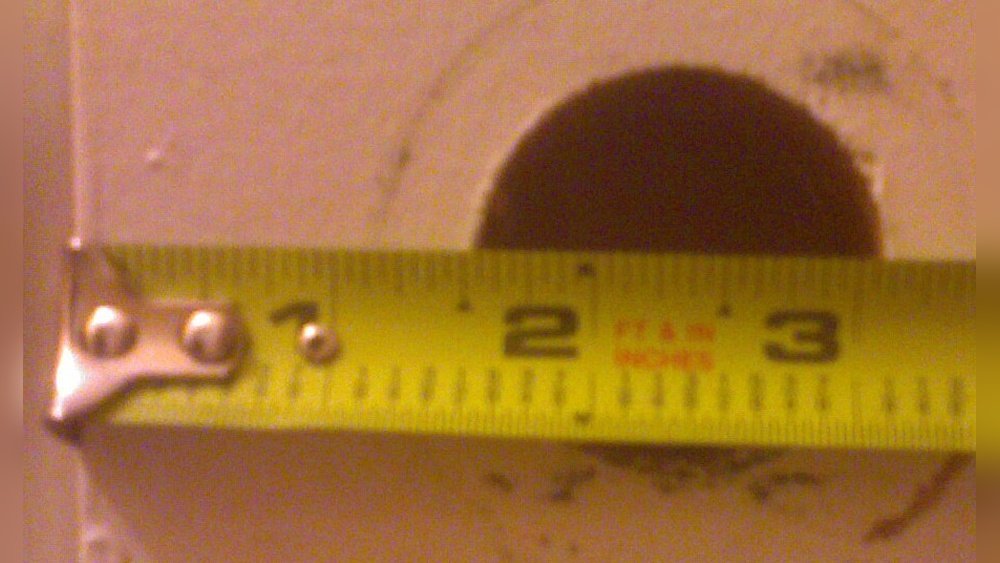
Start with a power drill. Choose one with variable speed control for better handling. You will need a hole saw bit sized for the door knob, usually 2 1/8 inches. A spade bit around 1 inch helps create the latch hole. A screwdriver is handy for removing and installing hardware.
Measuring Instruments
Accurate measurements are crucial. Use a tape measure to mark the door thickness and knob height. A pencil or marker helps mark the drilling spots clearly. A square or combination square ensures your marks are straight and precise.
Safety Gear
Safety cannot be ignored. Wear safety glasses to protect your eyes from wood chips. Ear protection reduces noise from the drill. Work gloves protect your hands from splinters and sharp edges. Keep a dust mask handy to avoid inhaling sawdust.
Choosing The Right Door
Choosing the right door is key before drilling a door knob hole without a jig. The door type affects the ease and success of the process. Picking a suitable door helps avoid damage and ensures a clean hole. Focus on the door’s material, thickness, and size. These factors guide the drilling steps and tools needed.
Door Material Considerations
Doors come in wood, metal, or fiberglass. Wood is the easiest to drill. Softwood needs less pressure and fewer tools. Hardwood requires sharper drill bits and slow drilling. Metal doors need special drill bits made for metal. Fiberglass is fragile and can crack if drilled too fast. Knowing the door material helps prevent mistakes.
Thickness And Size
Door thickness affects the drill bit length and hole depth. Standard doors are usually 1.75 inches thick. Thicker doors need longer bits and more care. The door size matters for positioning the knob hole. Measure the height for the knob carefully. Proper measurement keeps the knob at a comfortable and standard height.
Marking The Hole Position
Marking the hole position is the first step to drill a door knob hole without a jig. It ensures the hole is in the right spot. A wrong mark means a crooked hole and a bad fit. Take your time and be precise. This part affects the whole installation. Clear marks guide your drill and save effort later.
Measuring For Accuracy
Use a tape measure or ruler for exact measurements. Measure from the edge of the door to the center where the knob will sit. Check the height carefully, usually around 36 inches from the floor. Mark this spot with a pencil. Double-check your numbers before drilling. Accurate measuring prevents mistakes and wasted materials.
Using Templates Alternatives
Templates help place the hole perfectly. Without a jig, you can make your own template. Cut a piece of cardboard or paper the size of your knob base. Mark the center hole on it. Hold the template on the door and mark through the center. This method keeps your mark steady and clear for drilling. Templates are easy and improve precision.

Credit: www.youtube.com
Preparing The Door
Preparing the door is the first step to drill a door knob hole without a jig. It helps make the process safer and more accurate. Taking time to prepare the door prevents damage and keeps your work clean.
Securing The Door
Place the door on a flat, stable surface. Use clamps to hold the door firmly. This stops the door from moving during drilling. A steady door helps you drill the hole exactly where it is needed. Check that the clamps do not block the drilling area.
Preventing Splintering
Put masking tape over the drilling spot. The tape holds wood fibers in place. It reduces splintering when the drill bit breaks through. Drill slowly and steadily to protect the wood. Using a sharp drill bit also helps prevent splinters.
Drilling The Door Knob Hole
Drilling a door knob hole without a jig requires care and the right tools. This step is important for fitting the door knob perfectly. Accurate drilling ensures the door knob works smoothly and looks good. Follow the steps below for a clean and precise hole.
Selecting The Drill Bit
Choose a drill bit that matches the door knob size. Most door knobs need a 2 1/8 inch hole saw bit. The bit should be sharp and in good condition. Using the correct bit size avoids extra work and damage to the door. Check the bit fits your drill before starting.
Step-by-step Drilling Technique
Mark the hole spot on the door clearly. Use a pencil and a ruler for accuracy. Start drilling slowly to avoid slipping. Hold the drill straight and steady. Drill halfway through the door from one side.
Stop and clean the hole edges if needed. Flip the door and drill from the opposite side. This prevents splintering and keeps the hole smooth. Drill until the hole passes through completely. Check the hole size matches the door knob before finishing.
Drilling The Latch Hole
Drilling the latch hole is a key step in installing a door knob without a jig. The latch hole allows the latch mechanism to fit inside the door edge. Accurate drilling ensures the latch sits flush and works smoothly. Careful measurement and the right drill bit make this task easier. Follow these steps to drill the latch hole correctly.
Measuring For The Latch
Measure the distance from the door edge to the center of the knob hole. Mark this point clearly on the door edge. The latch hole should align with this mark. Use a pencil to draw a straight line across the door edge. This line guides your drill for a straight and centered hole.
Proper Drill Bit Use
Select a spade bit or hole saw that matches the latch size. The hole should be just big enough for the latch to fit snugly. Use a drill with steady pressure to avoid splintering the wood. Start drilling slowly at the marked line. Drill straight into the door edge until you reach the correct depth. Clean the hole edges with sandpaper for a smooth fit.
Finishing Touches
After drilling the door knob hole without a jig, the job is almost done. The final steps make the door look neat and ready for use. Small details matter. They improve the door’s function and appearance.
These finishing touches help avoid problems later. They prepare the door for the hardware. Taking time now saves effort in the future.
Cleaning The Edges
Use sandpaper or a file to smooth the hole’s edges. Rough edges can stop the knob from fitting well. They can also cause splinters or damage the hardware.
Work gently around the hole until it feels smooth. Check both sides of the door. Clean edges help the knob turn easily and fit properly.
Test Fitting The Hardware
Place the door knob parts into the hole. See if they fit snugly and align correctly. Test if the latch moves freely and the knob turns smoothly.
Make small adjustments if needed. A good fit means the door will open and close without trouble. This step saves time during final installation.
Credit: diy.stackexchange.com
Common Mistakes To Avoid
Drilling a door knob hole without a jig can be tricky. Many make errors that cause extra work or damage. Avoiding common mistakes helps you get better results. Focus on accuracy and the right tools for a smooth job.
Misaligned Holes
Misaligned holes ruin the door’s look and function. Mark the spots carefully before drilling. Use a tape measure and pencil to check both sides. Drill slowly to keep control and correct alignment. A small mistake can cause the knob to fit poorly.
Using The Wrong Drill Bits
Choosing the right drill bit is key. Use a hole saw bit of the correct size for the door knob. A regular bit can make uneven or too small holes. A spade bit may cause splintering. The right bit saves time and gives clean holes.
Tips For A Professional Look
Creating a professional look after drilling a door knob hole without a jig requires careful finishing. Small details make a big difference in how the door appears. Proper sanding and sealing protect the wood and smooth out rough edges. Choosing the right paint or stain adds style and matches your decor. Follow these tips for a clean, polished result.
Sanding And Sealing
Start by sanding the hole edges with fine-grit sandpaper. This removes splinters and rough spots. Sand lightly to avoid changing the hole size. Clean the dust with a dry cloth after sanding. Next, apply a wood sealer around the hole. This seals the wood pores and prevents moisture damage. Use a small brush for precise application. Let the sealer dry completely before moving on.
Painting And Staining Options
Choose paint or stain that matches your door color. For painted doors, use a primer first to improve paint grip. Apply thin coats for a smooth finish. Stains highlight the wood grain and add warmth. Use a cloth or brush to apply stain evenly. Allow each coat to dry before adding another. Finish with a clear protective coat to keep the surface durable.

Credit: www.reddit.com
Frequently Asked Questions
How To Drill A Door Knob Hole Without A Jig?
Measure and mark the hole location accurately. Use a spade or hole saw bit with a drill. Drill slowly and steadily, keeping the drill straight. Clean edges with sandpaper for a smooth finish.
What Tools Do I Need To Drill Without A Jig?
You need a power drill, spade or hole saw bit, measuring tape, pencil, and sandpaper. These basic tools help you drill precise holes without a jig.
Can I Drill A Door Knob Hole Without Damaging The Door?
Yes, by marking carefully and drilling slowly at a right angle, you avoid damage. Use sharp bits and smooth edges with sandpaper to prevent splintering.
How To Ensure Accurate Door Knob Hole Placement?
Measure the knob height from the floor (usually 36 inches). Mark the center point on the door edge. Double-check measurements to ensure proper alignment before drilling.
Conclusion
Drilling a door knob hole without a jig is simple with the right steps. Measure carefully and mark the spot clearly. Use a drill bit that fits your lock size. Take your time and drill slowly to avoid mistakes. Practice on scrap wood if needed.
This method saves money and works well. You can do it yourself with patience and care. Keep safety in mind and enjoy your new door knob hole.
