


Are you ready to take your DIY skills to the next level? Knowing how to drill a hole for a carriage bolt might seem simple, but doing it right makes all the difference in strength and finish.
Whether you’re building a sturdy deck, fixing furniture, or working on a project that needs a clean, secure fit, this guide will walk you through every step. By the end, you’ll feel confident and equipped to handle your project like a pro.
Let’s get started and make sure your carriage bolts fit perfectly every time!
Credit: www.huyett.com
Tools Needed
Drilling a hole for a carriage bolt needs the right tools. Using proper tools makes the job easier and more accurate. This section explains what tools you need before starting.
Choosing The Right Drill
Pick a drill with good power and control. A cordless drill is easy to handle. It lets you move freely around the work area. A corded drill provides constant power for tougher jobs. Use a drill with variable speed to avoid mistakes. Make sure the drill has a comfortable grip. This helps reduce hand fatigue during work.
Selecting Drill Bits
Choose drill bits made for wood or metal, based on your material. For carriage bolts, a twist drill bit works well. Use the right size bit to match the bolt diameter. The hole should be slightly bigger than the bolt shaft. Sharp bits make clean holes and prevent splintering. Replace dull bits to keep drilling smooth and safe.
Additional Supplies
Gather a measuring tape or ruler to mark drill spots. Use a pencil to make clear, visible marks. A center punch helps start the hole in the right place. Sandpaper or a file smooths rough edges after drilling. Wear safety glasses to protect your eyes from debris. Clamps keep the workpiece steady during drilling.
Preparing The Work Area
Preparing the work area is the first step to drill a hole for a carriage bolt. A clean and organized space helps you work safely and accurately. Setting up well saves time and avoids mistakes during drilling.
Marking The Hole Location
Start by measuring where the bolt hole should go. Use a ruler or tape measure for precise marks. Mark the spot with a pencil or a fine tip marker. A clear mark guides the drill bit exactly where to go. Double-check your measurements before drilling.
Securing The Material
Hold the material firmly to stop it from moving. Use clamps or a vise to keep it steady. This prevents slipping and keeps the hole straight. A stable piece makes drilling easier and safer. Always check that the clamps do not block the drill path.
Drilling The Hole
Drilling the hole for a carriage bolt is a key step in your project. It needs care and accuracy. A clean, well-placed hole ensures the bolt fits perfectly. This section guides you through the drilling process with easy tips.
Setting Drill Speed
Choose the right drill speed for your material. Slow speed works best for metal and hardwood. Faster speed suits softwood and plastic. Using the correct speed keeps the drill bit sharp longer. It also prevents overheating and damage to the material.
Drilling Technique
Mark the spot clearly before you start drilling. Hold the drill steady and straight. Apply gentle, even pressure while drilling. Let the drill bit do the work. Avoid pushing too hard or the bit may break. Clear out debris often to keep the hole clean.
Avoiding Common Mistakes
Don’t rush the drilling process. Drilling too fast can cause uneven holes. Avoid tilting the drill; it causes a crooked hole. Use a drill bit slightly smaller than the bolt for a tight fit. Double-check your measurements to prevent errors.
Checking The Hole Fit
Checking the hole fit is a key step after drilling for a carriage bolt. It ensures the bolt slides in easily and holds tight. A well-fitted hole keeps the bolt secure and prevents damage to the wood or metal.
Careful checking saves time and effort during assembly. It also keeps your project strong and stable. Use simple tools to test and adjust the hole size before final installation.
Testing With The Carriage Bolt
Take the carriage bolt and try to push it gently into the hole. The bolt should fit smoothly without force. If it is too tight, the bolt might get stuck or cause the wood to split.
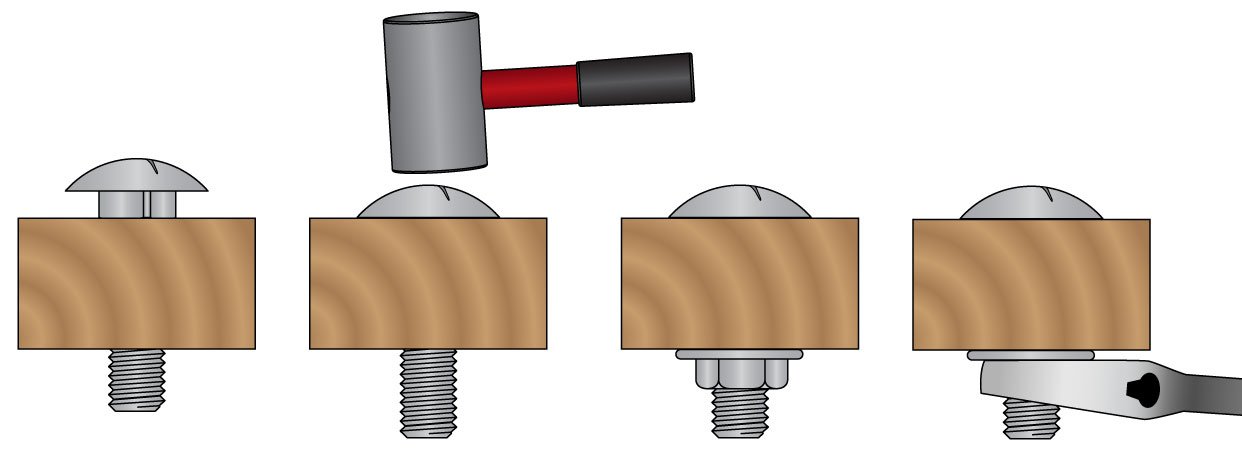
A loose fit allows the bolt to wobble. This reduces the strength of your joint. The ideal fit is snug but not tight. Check both the bolt shaft and the square shoulder under the bolt head.
Adjusting Hole Size
If the hole is too small, use a drill bit slightly larger than the current hole. Drill carefully to widen the hole evenly. Avoid making the hole too big, as this weakens the hold.
For a tight fit, sand the edges of the hole lightly. This removes rough spots and lets the bolt slide in easily. Test the bolt again after each adjustment until it fits just right.
Finishing Touches
After drilling the hole for a carriage bolt, the final steps matter a lot. These finishing touches help ensure a clean, strong, and safe fit. Taking time here improves the overall look and function of your project.
Cleaning The Hole
Remove all dust and debris from inside the hole. Use a small brush or compressed air to clear it out. Clean holes help bolts fit properly and hold tight. This step also prevents rust and damage over time.
Preventing Material Damage
Check the edges of the hole for rough spots or splinters. Smooth them with sandpaper or a file. This protects the material from cracking when you insert the bolt. It also stops injuries from sharp edges during handling.
Credit: www.diychatroom.com

Credit: www.youtube.com
Frequently Asked Questions
How Do I Drill A Hole For A Carriage Bolt?
To drill a hole for a carriage bolt, select a drill bit matching the bolt’s diameter. Mark the spot, drill straight through the material, and ensure the hole is clean and smooth for a snug fit.
What Size Drill Bit Is Needed For Carriage Bolts?
Use a drill bit that matches the carriage bolt’s shank diameter. This ensures a tight, secure fit without excessive play or difficulty inserting the bolt.
Should I Countersink The Hole For A Carriage Bolt?
No, carriage bolts do not require countersinking. The rounded head rests on the surface, while the square neck prevents rotation inside the hole.
How Deep Should I Drill For Carriage Bolts?
Drill through the entire material thickness. The hole depth should accommodate the bolt length plus washer and nut for proper fastening.
Conclusion
Drilling a hole for a carriage bolt is simple with the right steps. Measure carefully and choose the correct drill bit size. Keep your drill steady for a clean hole. Take your time and check your work often. A good hole makes the bolt fit tight and secure.
Practice helps you get better and faster. With these tips, your project will look strong and neat. Try it yourself and see how easy it can be.
