


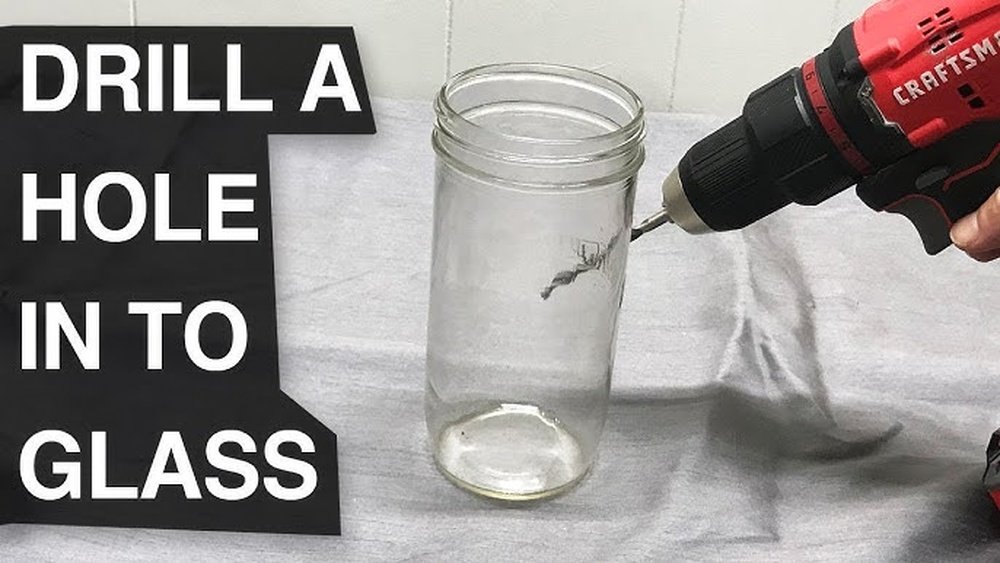
Drilling a hole in glass might sound tricky, but with the right method, you can do it without cracking or breaking it. If you’ve ever worried about ruining a beautiful glass surface, you’re not alone.
But here’s the good news: you don’t need to be an expert or spend a fortune to get it right. In this guide, you’ll discover simple, effective steps that make drilling glass safe and easy. Keep reading, and you’ll learn how to turn your project into a success without the stress.

Credit: www.youtube.com
Choosing The Right Tools
Choosing the right tools is the first step to drill a hole in glass safely. The right equipment helps prevent cracks and breaks. Using poor tools can ruin your glass and cause injury. Focus on glass-specific tools and safety gear. This approach ensures a smooth and safe drilling process.
Selecting Glass Drill Bits
Glass drill bits have a special design to cut through glass gently. They usually have a spear-shaped tip or a diamond coating. These bits reduce pressure and heat on the glass surface. Standard drill bits can crack the glass easily. Use bits made for glass or tile for best results. Check the size of the bit to match your hole needs. Keep the drill speed slow to avoid overheating the bit and glass.
Essential Safety Gear
Safety gear protects your body from glass shards and dust. Always wear safety goggles to shield your eyes. Use gloves to protect your hands from sharp edges. A dust mask helps avoid breathing in fine glass particles. Wear long sleeves to protect your arms. Secure the glass piece on a stable surface before drilling. Safety is not optional when working with glass.
Preparing The Glass Surface
Preparing the glass surface is a key step before drilling. This step helps prevent cracks and breaks. Proper preparation makes drilling safer and easier. Take your time and follow the steps carefully. The right preparation protects both you and the glass.
Cleaning And Marking
Clean the glass with a soft cloth and mild soap. Remove all dust, oil, and dirt. A clean surface helps the drill bit stay steady. Use a marker or tape to mark the drilling spot. Mark clearly but avoid pressing too hard. This spot guides the drill and keeps it accurate.
Securing The Glass
Place the glass on a flat, stable surface. Use clamps or a non-slip mat to hold it in place. Prevent any movement during drilling. Moving glass may crack or cause injury. Support the glass evenly to avoid stress points. Secure glass makes drilling safer and more precise.
Step-by-step Drilling Process
Drilling a hole in glass can seem tricky. It needs careful steps to avoid cracks. Follow this clear process to drill safely and neatly. Each step helps protect the glass and get a perfect hole.
Starting With A Pilot Hole
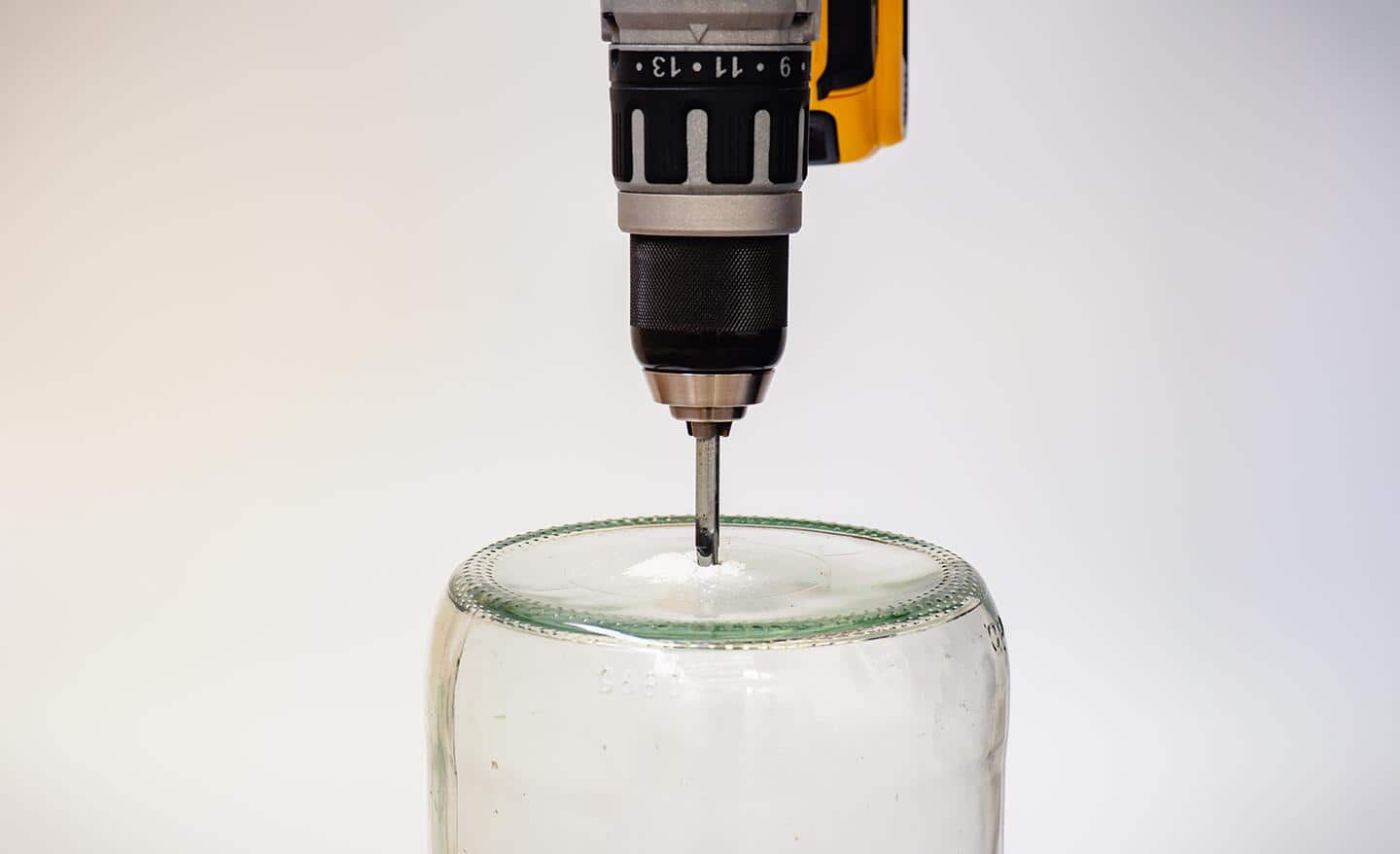
Begin by marking the spot for the hole. Use a small drill bit to create a pilot hole. This small hole guides the larger drill bit. It helps keep the drill steady and stops slipping. Drill slowly and gently to avoid cracking.
Applying Steady Pressure
Use steady, light pressure while drilling. Pressing too hard can break the glass. Let the drill bit do the work. Keep the drill steady and straight. Move slowly to keep control and avoid damage.
Maintaining Cool Temperature
Heat can crack glass during drilling. Keep the area cool by using water or a coolant. Spray water on the drill bit and glass. Cool the bit regularly to prevent overheating. This protects the glass and extends drill bit life.
Credit: www.homedepot.com
Techniques To Prevent Cracking
Drilling holes in glass can be tricky because glass breaks easily. Using the right techniques helps stop cracks. These methods keep the glass safe and make the process smoother. A steady hand and the right tools are key. Follow these tips to drill clean holes without damage.
Using Tape For Stability
Apply a piece of tape over the drilling spot. Tape holds the glass steady and stops it from slipping. It also helps protect the surface from cracks. Use strong tape like masking or duct tape. Press it down firmly to keep the glass secure. This simple step reduces vibrations that cause cracks.
Drilling At Low Speeds
Use a drill with low speed settings. Slow drilling stops heat build-up in the glass. Heat can cause the glass to crack or shatter. Keep steady pressure but do not push too hard. Let the drill bit cut the glass gently. Low speeds give better control and reduce breakage risk.
Troubleshooting Common Issues
Drilling holes in glass can be tricky. Problems may arise, but most have simple fixes. Understanding these common issues helps you work safely. Stay calm and follow easy steps to fix problems. This makes the process smoother and protects your glass.
Dealing With Chips And Cracks
Small chips or cracks can happen during drilling. Stop immediately if you see cracks growing. Use masking tape on the glass to reduce chipping. Drill slowly and keep the bit cool with water. Avoid pressing too hard. Let the drill do the work. If cracks appear, try a new drill bit. Replace glass if damage is too big.
Handling Bit Slippage
Drill bits can slip on glass surfaces. Slippage causes uneven holes and scratches. Start with a small indent using a marker or a nail. Use masking tape to add grip. Hold the drill steady and start at low speed. Keep firm, even pressure. Use a diamond drill bit designed for glass. Check often to keep the drill bit in place.
Post-drilling Care
After drilling a hole in glass, taking care of the glass is crucial. This step protects the glass from cracks or injuries. Proper care also improves the look and safety of the drilled glass.
Smoothing Rough Edges
The edges around the drilled hole may be sharp or rough. Use fine sandpaper or a diamond file to smooth these edges. Move gently to avoid making new cracks. Smooth edges prevent cuts and make the glass safer to handle.
Cleaning And Inspection
Clean the drilled area with a soft cloth and mild soap. Remove all dust and glass particles carefully. After cleaning, check the hole for cracks or chips. Early detection helps avoid bigger problems later. Always handle the glass gently during inspection.

Credit: www.machines4u.com.au
Frequently Asked Questions
How Do I Start Drilling A Hole In Glass Safely?
Begin with a small pilot hole using a glass drill bit. Keep the drill speed slow and steady. Use water to cool the glass and reduce heat buildup. Avoid applying excessive pressure to prevent cracking.
What Type Of Drill Bit Is Best For Glass?
Use a diamond-tipped or carbide-tipped drill bit specifically designed for glass. These bits provide precision and minimize the risk of cracking. Avoid regular metal drill bits, as they can shatter the glass easily.
How Can I Prevent Glass From Breaking While Drilling?
Apply steady, gentle pressure and keep the glass wet during drilling. Use a clamp or support to secure the glass firmly. Drilling on a flat, stable surface also reduces the chance of breakage.
Is It Necessary To Use Water When Drilling Glass?
Yes, water acts as a coolant and lubricant, preventing the glass from overheating. Continuous water flow reduces friction and stops glass from cracking or shattering during drilling.
Conclusion
Drilling a hole in glass takes care and patience. Use the right tools and gentle pressure. Keep the glass cool with water while drilling. Take your time; rushing can cause cracks. Small steps lead to better results. Practice on scrap glass first to build confidence.
Stay safe by wearing protective gear. Follow these tips to drill holes without breaking glass. You can complete your project with success and less worry.
