


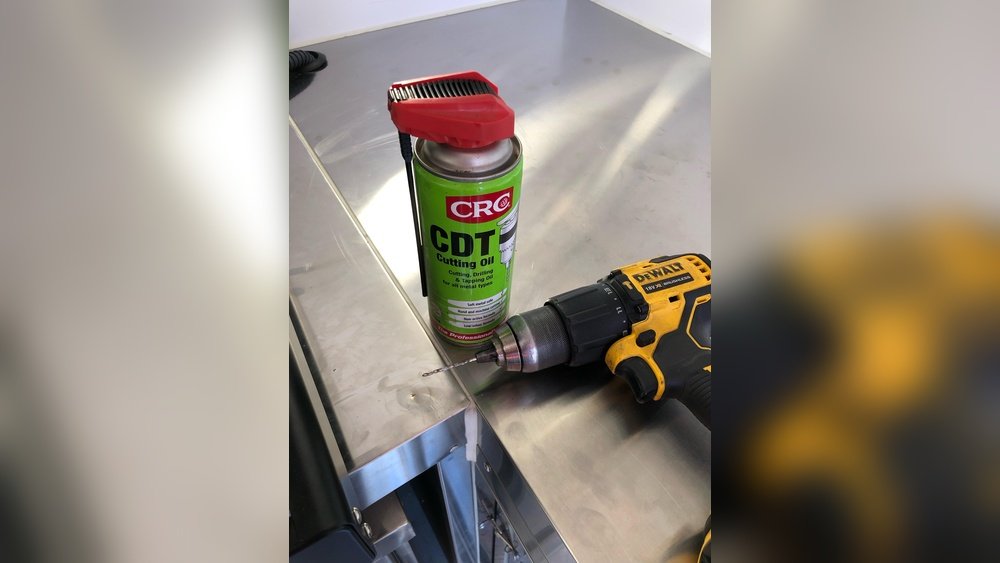
Drilling a hole in stainless steel can feel like a tough challenge, especially if you’re worried about damaging your tools or ruining your project. But what if you knew the exact steps to make it simple and precise?
In this guide, you’ll discover easy-to-follow tips that save you time and effort, so you can drill through stainless steel with confidence. Keep reading, and you’ll learn how to get perfect results every time—no guesswork, no frustration.
Choosing The Right Drill Bit
Choosing the right drill bit is key to drilling stainless steel cleanly and safely. The wrong bit can cause slipping, overheating, or damage. Knowing the types, coatings, and sizes helps you pick the best bit for the job. This guide simplifies the process.
Types Of Drill Bits For Stainless Steel
High-speed steel (HSS) bits are common and affordable. They work well for thin stainless steel sheets. Cobalt drill bits are stronger and resist heat better. They last longer when drilling thick or hard stainless steel. Carbide bits are very hard and stay sharp. Use them for heavy-duty tasks or industrial work.
Coating And Material Considerations
Coatings reduce friction and heat buildup during drilling. Titanium nitride (TiN) coating extends bit life by making it harder. Black oxide coating improves corrosion resistance and reduces wear. Uncoated bits can work but wear out faster. Choose coated bits for better performance and longer use.
Selecting The Correct Size
Pick a drill bit slightly smaller than the hole needed. Start with a pilot hole for accuracy and control. Gradually increase to the final size by drilling step-by-step. This method prevents bit breakage and material damage. Measure carefully before drilling to avoid mistakes.

Credit: www.youtube.com
Preparing The Stainless Steel Surface
Preparing the stainless steel surface is a key step before drilling. It helps ensure accuracy and safety. A clean, well-marked surface guides the drill bit. Proper preparation also prevents slipping and damage to the material.
Marking The Drilling Spot
Start by cleaning the stainless steel surface. Use a soft cloth and mild cleaner. Dry the area completely before marking. Use a fine-tip permanent marker or a scribe. Mark the exact spot where the hole is needed. This mark will guide the drill bit precisely.
Using A Center Punch
Place a center punch on the marked spot. Tap it gently with a hammer to make a small dent. This dent stops the drill bit from slipping. It also helps start the hole at the right point. A good center punch mark improves drilling accuracy.
Securing The Workpiece
Secure the stainless steel firmly before drilling. Use clamps or a vice to hold it in place. This stops the piece from moving or spinning. A steady workpiece ensures a clean, straight hole. Always check that the clamps do not cover the drilling spot.
Setting Up The Drill
Setting up the drill correctly is key to drilling holes in stainless steel. The right setup helps prevent damage to the drill bit and the metal. It also makes the job easier and faster.
Preparing your drill means choosing the correct speed, using lubricants, and picking the right drill type. These steps help the drill bit cut through stainless steel smoothly.
Choosing The Right Drill Speed
Drilling stainless steel requires a slow drill speed. Too fast can cause heat buildup and damage the bit. Aim for a speed between 300 and 500 RPM. This keeps the bit cool and sharp. Adjust speed if the drill feels too hot or the steel discolors.
Using Lubricants To Reduce Heat
Lubricants reduce friction and heat during drilling. Apply oil or cutting fluid to the drill bit and hole area. This helps the bit cut smoothly and lasts longer. Keep adding lubricant as you drill to avoid overheating.
Drill Press Vs Handheld Drill
A drill press offers better control and stability. It keeps the drill bit straight and steady. This reduces mistakes and bit wear. A handheld drill works for small jobs or tight spaces. Use a steady hand and clamp the metal securely when using handheld drills.

Credit: www.familyhandyman.com
Drilling Techniques For Stainless Steel
Drilling stainless steel requires special techniques. The metal is tough and can be tricky to drill without the right steps. Using proper methods helps create clean holes and avoids damage to tools and material. Follow these drilling techniques for better results.
Starting With A Pilot Hole
Begin by drilling a small pilot hole. This guides the larger drill bit and prevents it from slipping. Use a sharp, high-speed steel bit for the pilot hole. Drill slowly and steadily to keep control and accuracy.
Applying Consistent Pressure
Apply firm, steady pressure on the drill. Too much force can break the bit or damage the steel. Too little pressure will slow progress and cause overheating. Keep the drill speed moderate for the best balance.
Managing Heat And Avoiding Work Hardening
Heat can harden stainless steel around the hole. This makes drilling harder and wears out bits fast. Cool the drill bit often using water or cutting oil. Pause drilling to let the metal and bit cool down. This prevents work hardening and keeps tools sharp.
Post-drilling Care
After drilling a hole in stainless steel, proper care is crucial. It helps keep the metal strong and safe. Taking time to clean and check the hole ensures good results. This also protects tools and improves future work.
Deburring The Hole
The drilled hole often has sharp edges called burrs. Burrs can cause injuries or damage materials. Use a deburring tool or fine sandpaper to smooth the edges. Work gently to avoid enlarging the hole. Clean edges make the hole safer and more precise.
Cleaning And Inspecting
Remove metal dust and debris from the hole area. Wipe with a clean cloth or use compressed air. Check the hole size and shape carefully. Look for cracks or rough spots. Fix any problems before using the hole in your project.
Maintaining Drill Bits
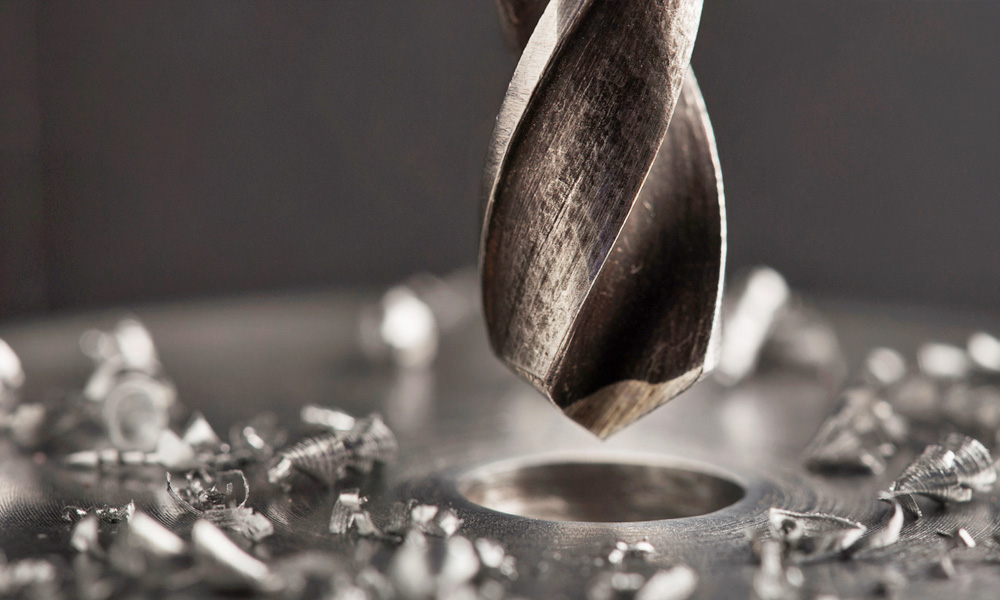
After use, clean drill bits to remove metal residue. Use a soft brush or cloth for cleaning. Store bits in a dry place to stop rust. Sharpen dull bits regularly for better drilling. Good maintenance extends tool life and saves money.
Credit: anchorlube.com
Common Mistakes To Avoid
Drilling holes in stainless steel requires care and precision. Mistakes can cause damage to the metal or tools. Avoiding common errors saves time and effort. Here are some mistakes to watch out for.
Using The Wrong Drill Bit
Stainless steel is tough and needs special drill bits. Standard bits can dull quickly or break. Use cobalt or carbide drill bits. They stay sharp and cut through metal better. Using wrong bits wastes time and ruins the surface.
Overheating The Metal
Drilling generates heat that can harm stainless steel. Overheating changes the metal’s structure and weakens it. It also dulls the drill bit fast. Use slow speeds and steady pressure. Cool the area with oil or water to keep temperature low.
Skipping Pilot Holes
Starting with a small pilot hole guides the larger bit. Skipping this step causes the drill to slip. It can damage the metal surface and the bit. A pilot hole makes drilling easier and more accurate. It reduces the risk of mistakes and cracks.
Frequently Asked Questions
What Drill Bit Is Best For Stainless Steel?
Use a cobalt or carbide-tipped drill bit. These bits handle stainless steel’s hardness effectively. They stay sharp longer and prevent overheating.
How To Prevent Stainless Steel From Overheating?
Use cutting oil or lubricant while drilling. Drill at low speed and apply steady pressure. This reduces heat and preserves the drill bit.
What Speed Is Ideal For Drilling Stainless Steel?
Drill at slow to medium speed, around 300 to 500 RPM. High speed causes heat buildup and damages the bit and metal.
Should I Pre-drill A Pilot Hole In Stainless Steel?
Yes, pre-drilling a small pilot hole guides the larger bit. This prevents slipping and ensures a cleaner, more accurate hole.
Conclusion
Drilling holes in stainless steel takes patience and the right tools. Use sharp drill bits and steady pressure to avoid damage. Keep the metal cool to prevent overheating. Mark the spot clearly before you start drilling. Take your time and work carefully for best results.
Following these tips helps you drill clean holes every time. Practice makes the task easier and safer. You can handle stainless steel drilling with confidence now.
