



Are you ready to give your cabinets a professional, polished look? Knowing how to drill holes for cabinet hinges is a skill that can save you time, money, and frustration.
Whether you’re installing new doors or replacing old ones, getting the hinge placement just right is key to smooth, perfectly aligned cabinets. In this guide, you’ll discover simple steps to drill precise holes, avoid common mistakes, and achieve results that will make your cabinets look like they came straight from a showroom.
Keep reading, and you’ll have the confidence to tackle this project yourself—no special tools or experience needed.
Credit: truepositiontools.com
Tools And Materials Needed
Drilling holes for cabinet hinges needs the right tools and materials. Using correct supplies saves time and prevents mistakes. Preparing well helps create strong, neat hinge fittings.
Below are the basic tools and materials needed to start drilling holes for cabinet hinges with ease and accuracy.
Essential Drilling Tools
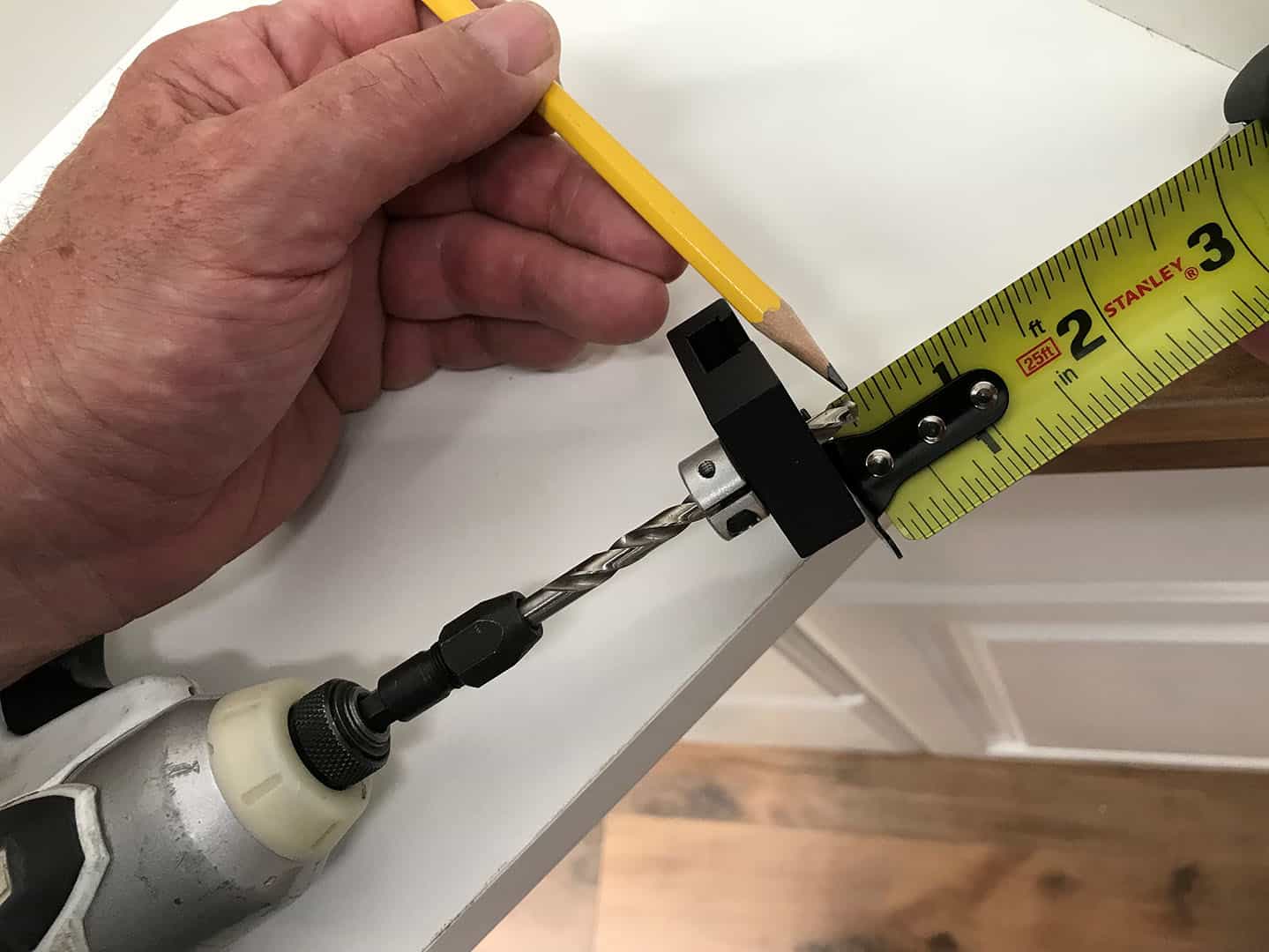
A power drill is the main tool needed for drilling. Choose one with variable speed control for better precision. Use drill bits that match the hinge cup size, usually 35mm for European hinges. A drill guide or jig helps keep holes straight and at the right depth. A screwdriver or drill with a screwdriver bit is needed to attach hinges. A tape measure or ruler ensures correct placement of holes.
Choosing The Right Hinges
Pick hinges that fit your cabinet style and door thickness. European concealed hinges are common and easy to install. Check the hinge cup diameter and drilling depth before buying. Some hinges need special mounting plates. Confirm hinge type to know hole size and position. Choosing quality hinges improves durability and door function.
Marking Supplies
Marking holes correctly is crucial. Use a pencil or fine-tip marker to mark hole centers. A combination square or ruler keeps marks straight and even. A template or hinge jig can speed up marking and ensure uniform holes. Double-check all marks before drilling to avoid errors.
Preparing The Cabinet Door
Preparing the cabinet door is the first step before drilling holes for hinges. This step ensures the hinges fit well and the door opens smoothly. Taking time to prepare the door carefully saves effort later.
Measuring Hinge Placement
Measure the space where the hinges will go. Usually, hinges are placed about 2 to 3 inches from the top and bottom edges. Use a tape measure and mark these spots on the door. Check the size of your hinges to adjust the marks if needed.
Marking Drill Points
Mark the exact points to drill holes for screws and hinge cups. Use a pencil to make small dots where screws will go. Make sure the marks are straight and aligned on both top and bottom. Double-check measurements to avoid mistakes.
Securing The Door
Place the door on a flat surface. Use clamps to hold the door steady. This stops it from moving while drilling. Secure the door firmly to protect it and keep holes accurate.
Selecting Drill Bits
Choosing the right drill bit is key for making perfect holes for cabinet hinges. The right bit makes drilling easier and keeps your wood safe from damage. This section explains how to pick the best drill bit for your project.
Size And Type For Hinges
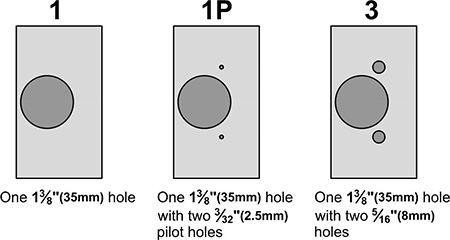
Cabinet hinges usually need holes that are 35mm wide and about 12-13mm deep. Use a drill bit that matches these sizes exactly. For standard European-style hinges, a 35mm bit is best. Smaller bits work for screws that attach the hinge to the door or frame. Use bits designed for wood to get clean holes without splintering.
Using Forstner Bits
Forstner bits create smooth, flat-bottom holes ideal for hinges. They cut clean edges and reduce wood tear-out. These bits control the hole size and depth well. Use a drill press or steady hand to keep holes straight. Forstner bits are perfect for making the cup holes in cabinet doors.
Avoiding Common Mistakes
Do not use dull or wrong-sized drill bits. This can cause rough holes or damage the wood. Avoid drilling too deep or at an angle. Keep the drill steady and check the bit size twice. Clean the drill bit regularly to stop burning the wood. These steps help make neat, strong hinge holes.
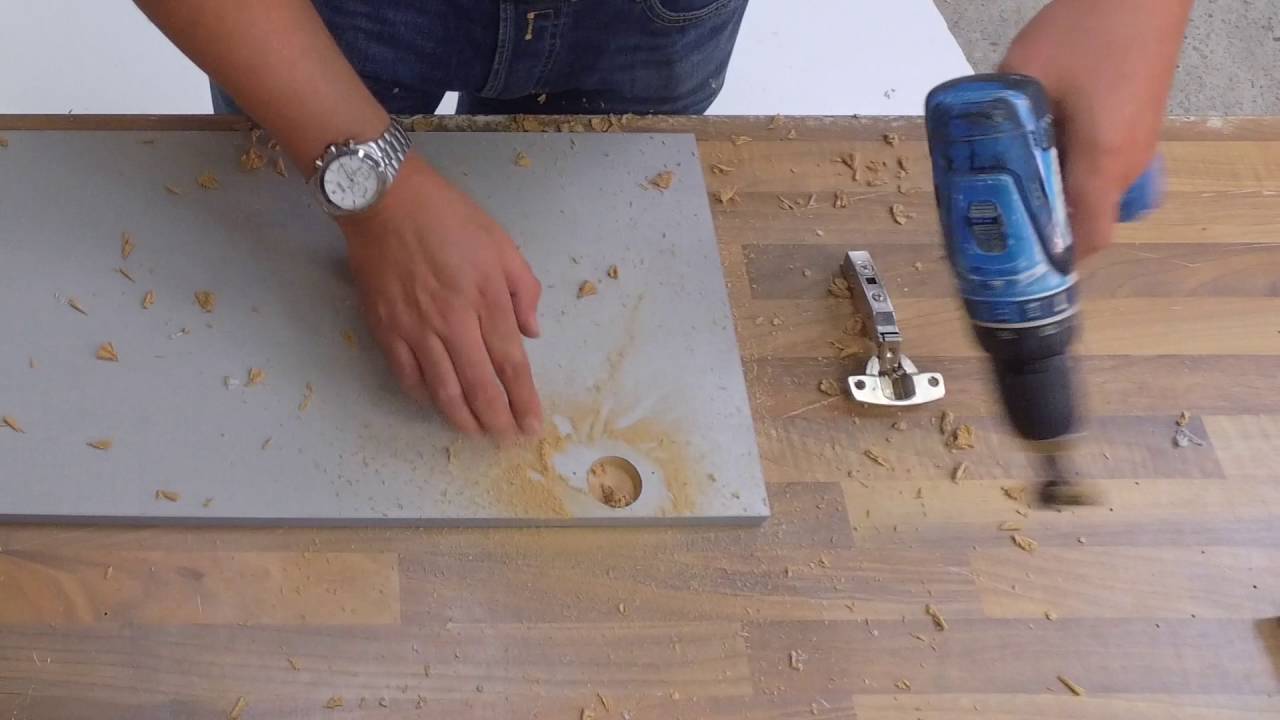
Drilling The Hinge Holes
Drilling the hinge holes is a key step in installing cabinet hinges. It requires care to ensure a perfect fit. Poor drilling can cause misaligned doors or loose hinges. This section guides you through drilling hinge holes correctly.
Setting Drill Depth
Set the drill depth to match the hinge cup size. Use a depth stop or tape on the drill bit. This prevents drilling too deep or too shallow. Correct depth keeps the hinge secure and flush with the cabinet door.
Maintaining Drill Stability
Hold the drill steady to avoid crooked holes. Use both hands to control the drill firmly. Keep the drill perpendicular to the door surface. A stable drill creates clean, straight holes for the hinges.
Checking Hole Accuracy
After drilling, check the hole size and position. The hole should fit the hinge cup snugly without force. Measure the distance from the edge to ensure proper placement. Accurate holes guarantee smooth door operation and long-lasting hinges.
Attaching Hinges To The Door
Attaching hinges to the door is a key step in cabinet installation. It helps the door open and close smoothly. Proper attachment ensures durability and good fit.
Follow clear steps to avoid mistakes. Careful work leads to strong, aligned doors.
Aligning Hinges Correctly
Place the hinge on the marked spot. Check the edge of the door for even space. The hinge must sit flat without gaps. Use a pencil to mark screw holes precisely. Proper alignment prevents door misfit and damage.
Screwing Hinges Securely
Start screws by hand to avoid stripping. Use a screwdriver or drill with low speed. Tighten screws firmly but do not over-tighten. Over-tightening can crack the door or strip screws. Secure hinges hold the door firmly in place.
Testing Door Movement
Open and close the door several times. Check for smooth movement and no sticking. The door should align well with the cabinet frame. Adjust screws slightly if needed for better fit. Proper testing ensures long-lasting hinge performance.
Credit: www.youtube.com
Mounting The Door On The Cabinet Frame
Mounting the door on the cabinet frame is a key step in cabinet assembly. Proper mounting ensures the door opens smoothly and stays aligned. Take your time to position the door and hinges correctly. This section explains how to mark drill points, drill holes, and secure the hinges to the frame.
Marking Frame Drill Points
Start by holding the cabinet door in place on the frame. Align the hinges with the edges of the door and frame. Use a pencil to mark the drill points on the frame through the hinge holes. Double-check the marks to ensure they match the hinge size. Accurate marking helps avoid mistakes while drilling.
Drilling Frame Holes
Choose a drill bit that fits the hinge screws. Drill straight holes at the marked points on the frame. Drill slowly to prevent splitting the wood. Keep the drill steady and perpendicular to the frame surface. Clean any dust from the holes before attaching hinges.
Securing Door Hinges To Frame
Place the hinges over the drilled holes on the frame. Insert screws through the hinge holes and into the frame. Use a screwdriver or drill with low speed to tighten screws securely. Avoid over-tightening to prevent damage to the wood. Check the door movement and adjust screws if needed.
Tips For Perfect Alignment
Perfect alignment is key when drilling holes for cabinet hinges. It ensures doors open smoothly and look neat. Small mistakes can cause doors to hang unevenly or stick.
Follow simple tips to get the right placement every time. Careful preparation helps avoid costly fixes later. Focus on accuracy and use the right tools for best results.
Using Templates And Jigs
Templates and jigs guide your drill for precise hole placement. They keep holes consistent across multiple doors. Choose a template that matches your hinge size and style.
Place the template firmly on the door edge. Drill through the guide holes carefully to avoid slipping. This tool saves time and reduces errors for clean, aligned holes.
Double-checking Measurements
Measure twice before drilling once. Check the distance from the door edge to the hole mark. Use a ruler or tape measure for accuracy.
Mark your spots clearly with a pencil. Recheck each mark to ensure they match on both doors. This step prevents misaligned hinges and uneven door gaps.
Adjusting Hinges Post-installation
After attaching hinges, test the door’s fit and movement. Look for any gaps or uneven edges. Slight adjustments can fix minor misalignments.
Loosen screws slightly and shift the hinge as needed. Tighten screws once the door sits properly. This fine-tuning improves door function and appearance.
Troubleshooting Common Issues
Drilling holes for cabinet hinges can sometimes cause problems. These issues can affect the door’s fit and function. Fixing them quickly saves time and effort. Below are common problems and easy solutions.
Fixing Misaligned Holes
Misaligned holes make the cabinet door hard to close. To fix this, fill the wrong holes with wood filler or toothpicks and glue. Let it dry fully. Then, mark the correct spot carefully and drill again. Use a template to keep holes straight next time.
Dealing With Splintering Wood
Splintered wood looks messy and weakens the hinge area. Place masking tape over the drilling spot before you start. Drill slowly and steadily. If splinters appear, sand the edges gently. Use a sharp drill bit to reduce splintering.
Reinforcing Loose Hinges
Loose hinges cause cabinet doors to wobble. Tighten the screws first. If holes are too big, fill them with wood glue and toothpicks. Let it dry, then reinsert screws. For extra strength, use longer screws or add small wooden plugs inside the holes.
Credit: www.eliaswoodwork.com
Frequently Asked Questions
How Do I Measure For Cabinet Hinge Holes?
Measure carefully using a ruler or template. Mark the hinge position on the cabinet door and frame. Accurate marking ensures proper hinge alignment and door function.
What Drill Bit Size Is Best For Cabinet Hinges?
Use a 35mm Forstner bit for European-style hinges. For smaller hinges, a 3-5mm drill bit works. Choose the size based on hinge specifications.
How Deep Should I Drill Holes For Cabinet Hinges?
Drill holes to the hinge cup depth, usually 12-13mm. Avoid drilling too deep to prevent damage. Check hinge instructions for exact depth.
Can I Drill Hinge Holes Without A Template?
Yes, but using a template improves accuracy. Templates help maintain consistent hole placement and alignment. Without one, measure carefully and double-check marks.
Conclusion
Drilling holes for cabinet hinges takes care and the right steps. Measure carefully to avoid mistakes. Use the correct drill bit size for clean holes. Mark the spots clearly before you start drilling. Steady hands help keep holes straight and accurate.
Take your time and check your work often. Following these tips makes hinge installation easier. Enjoy sturdy, well-aligned cabinet doors. A little practice leads to better results every time. Keep these simple steps in mind for your next project.
