


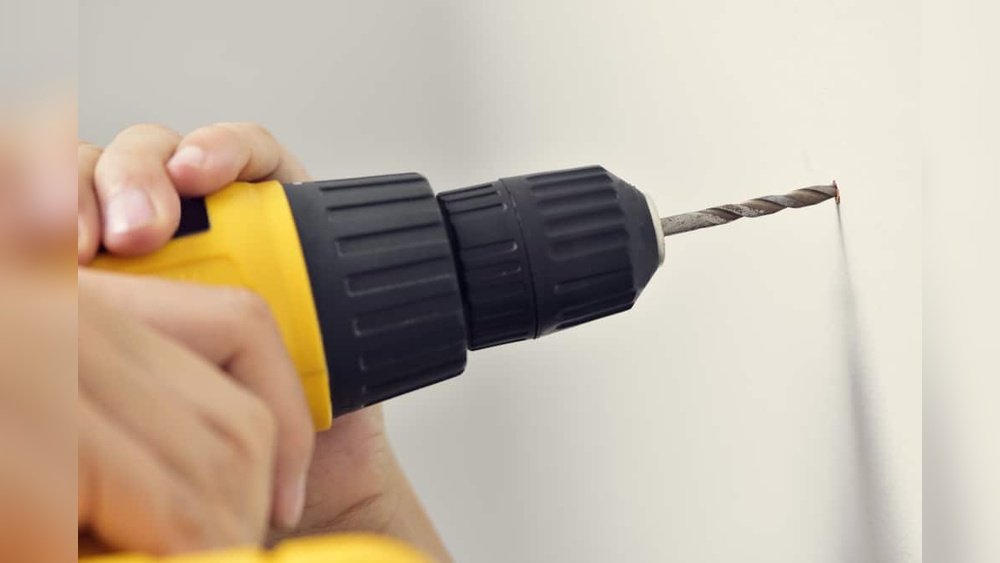
Are you ready to hang your favorite pictures or install shelves but don’t know how to drill holes in the wall properly? Drilling might seem tricky or even risky if you’re unsure where to start.
But don’t worry—you’re about to learn simple, step-by-step tips that will make the job easy and safe. By the time you finish reading, you’ll have the confidence to handle your wall projects like a pro. Let’s dive in and get those holes drilled perfectly every time!
Choosing The Right Drill
Choosing the right drill is the first step to drilling holes in the wall safely and accurately. The right drill helps you work faster and avoid damage to the wall. Different drills fit different tasks and wall materials. Knowing which drill to pick makes the job easier and cleaner.
Types Of Drills
There are many types of drills for home use. A corded drill plugs into power and gives steady power. A cordless drill uses a battery and is easy to carry. A hammer drill adds a pounding action for hard walls like concrete. For simple drywall, a regular drill is enough.
Selecting Drill Bits
Drill bits come in many shapes and sizes. Use a masonry bit for brick or concrete walls. A wood bit works well on wooden walls. Metal bits cut through metal studs or pipes inside walls. Match the bit size to the hole size you need. Sharp bits make clean holes and reduce effort.

Credit: www.gettyimages.com
Preparing The Wall
Preparing the wall is a crucial step before drilling holes. It ensures safety and accuracy. Without proper preparation, you risk damaging wires or pipes inside the wall. Careful preparation makes the drilling process smoother and safer. This section covers how to locate studs and wires and how to mark drill points correctly.
Locating Studs And Wires
Studs are vertical wooden or metal beams behind the drywall. They provide strong support for heavy items. Wires and pipes usually run between studs. Use a stud finder to detect studs easily. A wire detector helps locate electrical wires hidden in the wall. Mark the spots where studs and wires are found. Avoid drilling where wires are present to prevent accidents.
Marking Drill Points
After locating studs and wires, mark the points where you will drill. Use a pencil to make small, clear marks. Measure carefully to ensure holes align with the item you want to hang. Double-check measurements to avoid mistakes. Marking accurately helps keep the holes straight and prevents unnecessary damage. Always plan the drill points before starting the work.
Safety Tips
Drilling holes in the wall requires care to avoid accidents. Safety tips help protect you and others nearby. Follow simple rules to keep your work safe and smooth.
Using the right safety gear and checking your tools are key steps. These precautions reduce risks and make your project easier.
Using Protective Gear
Wear safety glasses to protect your eyes from dust and debris. Use gloves to guard your hands against sharp edges and rough surfaces. A dust mask helps prevent breathing in harmful particles. Ear protection keeps your hearing safe from loud drilling sounds.
Ensuring Power Safety
Always check the power cord for damage before use. Keep cords away from water and sharp objects. Use a drill with a safety switch to stop it quickly if needed. Unplug the drill when changing bits or not in use. Avoid overloading power outlets with multiple devices.
/Bhg-how-to-patch-dry-wall-hero-2431_ErCJ7v2pKcVADoq5rBc19m-9bc6054b40c84af4bd3ba2b19b3693b9.jpg)
Credit: www.bhg.com
Step-by-step Drilling Process
Drilling holes in the wall needs careful steps to get it right. Follow each step to make clean and precise holes. This guide helps beginners and those with some experience.
Setting Drill Speed
Choose the correct speed for your drill. Use a low speed for hard walls like concrete. Soft walls like drywall need higher speed. Adjust the speed dial on your drill before starting. The right speed stops the drill from slipping.
Starting The Hole
Mark the spot where you want the hole. Hold the drill steady and place the bit on the mark. Start drilling slowly to make a small guide hole. Keep the drill straight to avoid crooked holes. Don’t press too hard; let the drill do the work.
Drilling To Desired Depth
Drill deeper slowly and steadily. Use a depth stop or tape on the bit to measure depth. Stop drilling when you reach the marked depth. Pull the drill out gently while it is still running. This cleans the hole and prevents damage.
Handling Different Wall Materials
Drilling holes in walls requires care and the right tools. Different wall materials need different techniques. Understanding how to handle each type will save time and avoid damage. Follow simple steps to drill safely and correctly.
Drilling In Drywall
Drywall is soft and easy to drill. Use a standard drill bit for this material. Mark the spot clearly before drilling. Hold the drill steady and apply light pressure. Stop once the hole is the right size. Avoid pushing too hard to prevent cracking.
Drilling In Brick Or Concrete
Brick and concrete are hard and require special tools. Use a hammer drill with a masonry bit. Start slowly to create a guide hole. Increase speed and pressure as the drill penetrates. Use wall plugs to secure screws in the hole. Always wear safety glasses to protect your eyes.
Finishing Touches
After drilling holes in the wall, the final steps make a big difference. These finishing touches ensure your work looks neat and holds strong. Taking care of small details helps your project last longer and stay safe.
Cleaning The Hole
Remove dust and debris from the hole. Use a small brush or blow air gently. A clean hole helps screws or anchors fit better. Dirt can stop them from holding tight.
Inserting Anchors Or Screws
Choose the right anchor or screw for your wall type. Push the anchor into the hole carefully. Use a screwdriver to fix screws in place. Tighten until firm but avoid cracking the wall.
Troubleshooting Common Issues
Drilling holes in the wall can sometimes cause problems. Small mistakes may lead to bigger issues. Knowing how to fix common problems saves time and frustration. This section covers simple solutions for typical drilling troubles. It helps keep your project on track and your walls looking neat.
Dealing With Drill Slippage
Drill slippage happens when the bit slips on the wall surface. It can cause uneven holes or damage paint. To stop slippage, use painter’s tape on the spot before drilling. The tape creates extra grip for the drill bit. Start drilling slowly to keep control. A sharp drill bit also reduces slipping.
Fixing Misaligned Holes
Misaligned holes occur when the drill moves off the mark. This can ruin the look and weaken support. To fix this, fill the wrong hole with wall filler or putty. Let it dry completely. Sand the area smooth before drilling again. Use a level or measuring tape to mark the exact spot. Double-check measurements before drilling the new hole.

Credit: diy.stackexchange.com
Frequently Asked Questions
What Tools Do I Need To Drill Holes In The Wall?
You need a drill, appropriate drill bits, a pencil, a level, and wall anchors. Safety goggles and a dust mask are also recommended.
How Do I Choose The Right Drill Bit For Walls?
Select a masonry bit for concrete or brick walls. Use a standard bit for drywall or wood behind the wall.
Can I Drill Into Any Wall Without Damage?
No. Check the wall type and avoid electrical wires or pipes to prevent damage and injury.
How Deep Should I Drill Holes In The Wall?
Drill holes slightly deeper than the length of your wall anchors or screws for secure fitting.
Conclusion
Drilling holes in the wall can be simple and safe. Always check the wall for wires or pipes first. Use the right drill bit for your wall type. Keep your hands steady and drill slowly. Clean the hole after drilling for a neat finish.
Practice makes perfect—don’t rush the job. With care and patience, your project will go smoothly. Now, you can hang shelves, pictures, or hooks easily. Simple steps lead to great results every time.
