



Are you ready to hang your new curtains but unsure how to drill holes in the wall without making a mess or causing damage? You’re not alone.
Drilling holes might seem tricky, but with the right steps, you can do it quickly and confidently. This guide will show you exactly how to prepare, where to drill, and what tools to use so your curtains hang perfectly every time.
Keep reading, and you’ll learn simple tips that save you time, avoid mistakes, and make your room look amazing.
Credit: www.aconcordcarpenter.com
Tools And Materials Needed
Drilling holes in a wall for curtains needs the right tools and materials. Having the correct items makes the job easier and safer. This guide lists what you need before starting.
Types Of Drills
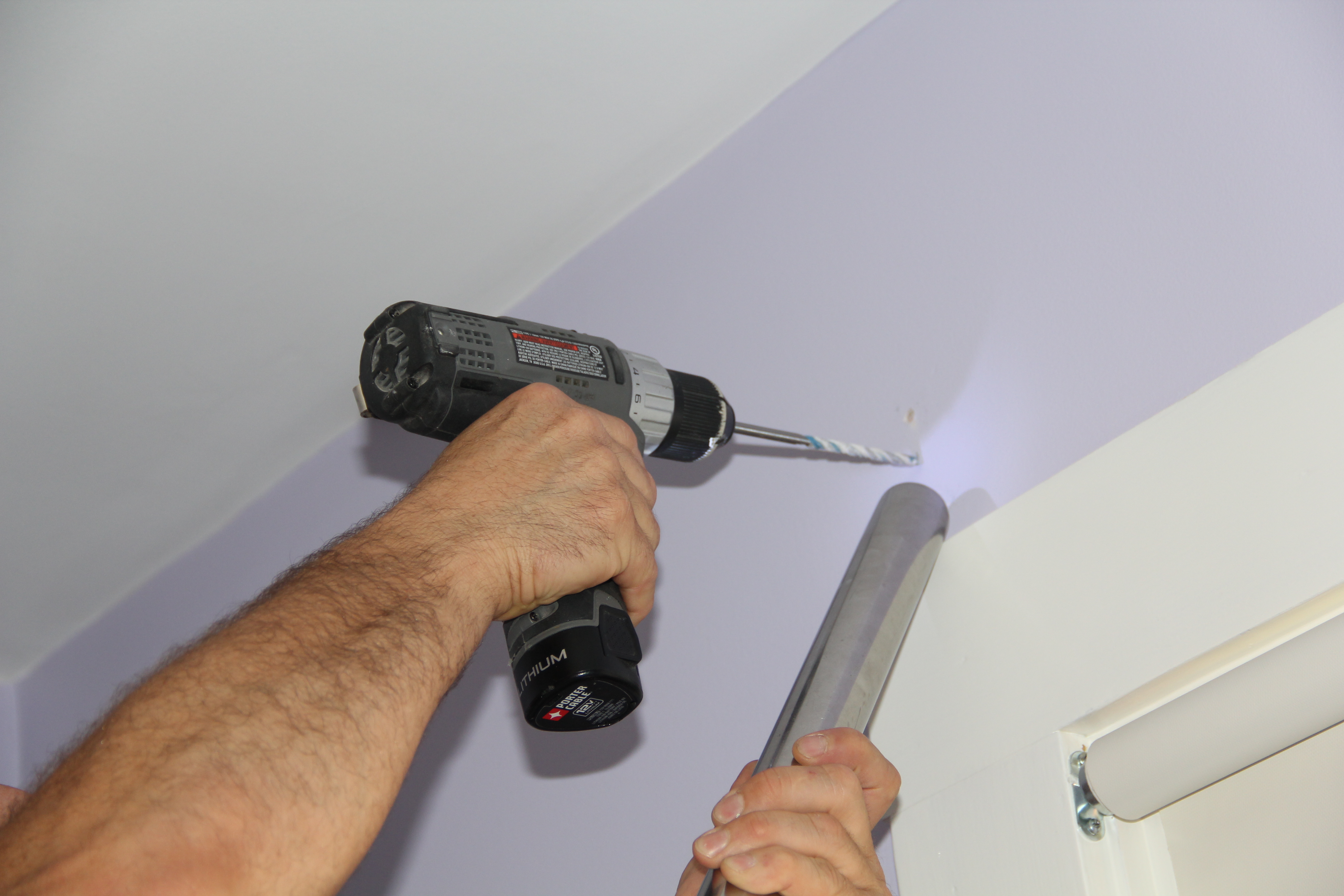
There are many types of drills available. A cordless drill is popular for home use. It is easy to handle and portable. A hammer drill works well for concrete or brick walls. It adds force to break through hard surfaces. Choose a drill that fits the wall type and your comfort.
Selecting The Right Drill Bit
Drill bits come in different shapes and sizes. For walls, use masonry bits for brick or concrete. Wood bits work well on wooden surfaces. Metal bits suit metal brackets or fixtures. Pick the correct diameter to match the curtain rod screws. This prevents the holes from being too big or small.
Additional Supplies
Besides the drill and bits, other supplies help the process. Anchors or wall plugs hold screws firmly in drywall or plaster. A pencil marks the drilling spots accurately. A tape measure ensures even spacing for curtain rods. Safety goggles protect eyes from dust and debris. A level helps keep the curtain rod straight.
Credit: blog.kwikhang.com
Choosing The Right Wall
Choosing the right wall is important before drilling holes for curtains. The wall must be strong enough to hold the curtain rod and curtains. Picking the wrong wall can cause damage or make the curtains fall down.
Check the wall carefully to avoid problems later. Walls differ in material and hidden structures. Knowing these helps in drilling safely and correctly.
Identifying Wall Material
Walls can be made of drywall, plaster, brick, or concrete. Drywall is soft and needs anchors for strong hold. Brick and concrete walls need special drill bits. Plaster walls are fragile and require care.
Use a small test drill to check the wall type. This helps pick the right tools and screws. Knowing the material prevents damage and ensures a firm hold.
Avoiding Wiring And Pipes
Wires and pipes often run inside walls. Drilling into them can be dangerous and cause damage. Use a wire detector or pipe finder before drilling.
Scan the wall to find hidden wires or pipes. Mark safe spots to drill. This step protects your home and ensures safety during installation.
Measuring And Marking
Measuring and marking are the first steps to hang curtains properly. Accurate measurements ensure the curtains fit well and look neat. Taking time to measure and mark can save you from mistakes. It helps position the curtain rod exactly where it should be. This process makes drilling holes easier and more precise.
Determining Curtain Placement
Start by deciding how high the curtains will hang. Usually, curtain rods go about 4 to 6 inches above the window frame. Measure the width of the window plus extra space on each side. This space lets the curtains fully open without blocking the window. Mark the spot for the rod ends on both sides. Check if the curtains will cover the window well and look balanced.
Marking Drill Points Accurately
Use a pencil to mark the exact drill points on the wall. Measure twice to be sure the marks are level and spaced evenly. A spirit level helps keep the marks straight. Place the rod brackets on the marks to confirm the fit. Adjust if the marks are off. Precise marking avoids crooked curtains and wasted holes.
Preparing To Drill
Preparing to drill holes for curtains is a crucial step. It ensures safety and a firm hold for your curtain rods. Taking time to prepare helps avoid mistakes and wall damage. Understanding your drill settings and wall type is key.
Setting Drill Speed And Mode
Choose the right drill speed for your wall type. Low speed works best for hard surfaces like concrete or brick. Higher speed suits softer walls such as drywall. Select the drill mode: drilling or hammer mode. Hammer mode is for tough walls, while drilling mode fits softer ones. Adjust settings carefully to prevent wall cracks.
Using Anchors And Wall Plugs
Anchors and wall plugs keep screws steady in the wall. Pick anchors that match your wall type and curtain weight. Insert plugs into drilled holes before screws. They spread the load and stop screws from pulling out. Using the right anchors means your curtains stay secure and safe.
Drilling The Holes
Drilling holes in your wall is the key step for hanging curtains securely. It takes care and the right method to avoid damage. Choosing the proper technique depends on your wall type. Also, checking the depth and alignment of holes helps keep the curtain rod steady.
Drilling Technique For Different Walls
Different walls need different drill bits and speeds. For drywall, use a standard drill bit and low speed. Brick or concrete walls require a masonry bit and hammer drill mode. Wooden walls are easier; a wood drill bit works best. Always start with a small pilot hole before the final size.
Ensuring Hole Depth And Alignment
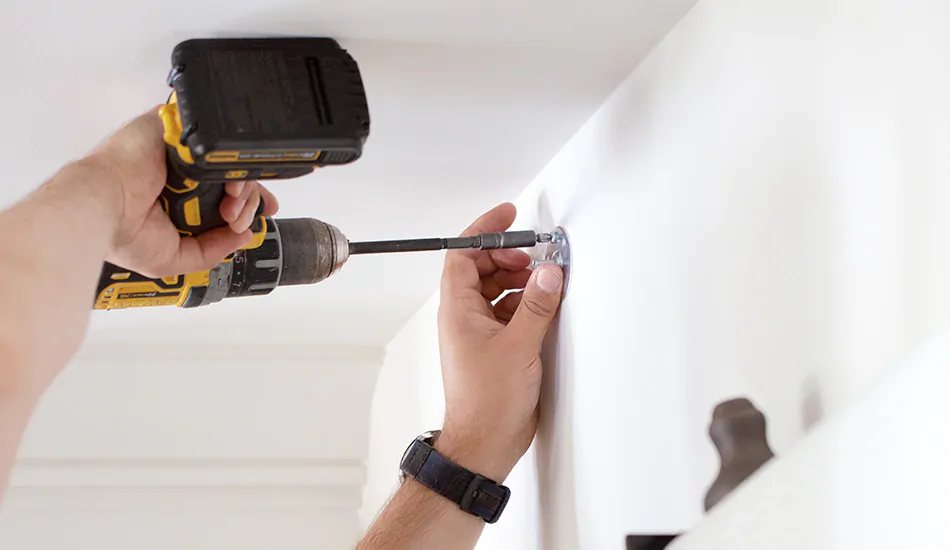
Use a tape measure or a drill stop to control hole depth. This prevents drilling too deep or too shallow. Mark the spots clearly with a pencil or tape. Hold the drill steady and straight to keep holes aligned. Proper depth and alignment make curtain rods strong and balanced.
Installing Curtain Brackets
Installing curtain brackets is a key step in hanging curtains properly. The brackets hold the curtain rod and keep it steady. Placing and securing them right ensures your curtains hang straight and look good.
Use a level to mark where the brackets will go. This helps avoid uneven curtains. Mark the drill holes carefully for the screws.
Securing Brackets Firmly
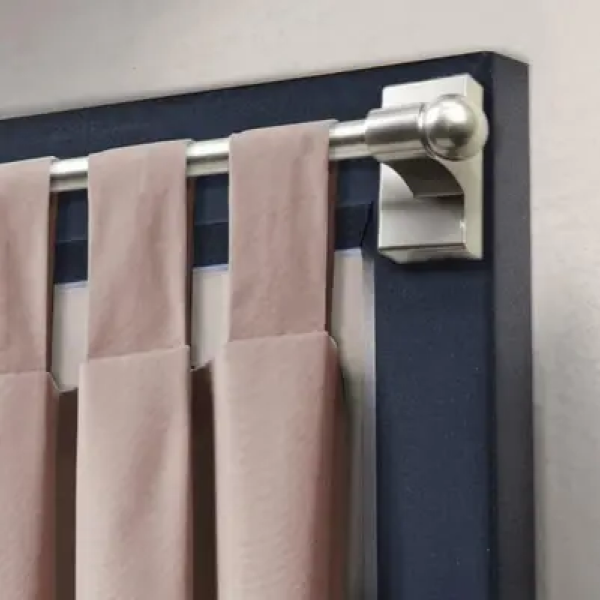
Start by drilling holes at the marked points. Use a drill bit that fits the wall plugs or anchors. Push the wall plugs into the holes. Attach the brackets with screws using a screwdriver. Tighten the screws well to hold the bracket firmly.
Make sure the screws go deep enough into the wall. This prevents the brackets from coming loose under curtain weight.
Checking Stability
After securing the brackets, gently pull each one. They should not move or wiggle. If a bracket feels loose, tighten the screws more. Test again until the bracket feels solid.
Check the alignment of both brackets. They must be at the same height and distance. This keeps your curtain rod level and stable.
Common Mistakes To Avoid
Drilling holes for curtain rods seems easy but can cause problems if done wrong. Avoiding common mistakes saves time and effort. Small errors can lead to crooked curtains or wall damage. Pay attention to details for a smooth installation.
Overdrilling Or Misalignment
Drilling too deep weakens the wall. It can cause the curtain rod to fall. Use the right drill bit size and depth. Mark the spots carefully before drilling. Check measurements twice to keep holes straight. Misaligned holes make curtains hang unevenly. Use a level to ensure accuracy.
Ignoring Wall Type
Different walls need different tools. Drywall, plaster, and brick require unique anchors. Using wrong anchors can cause holes to crumble. Always know your wall type before starting. Use a stud finder for drywall. For brick or concrete, use a masonry drill bit. Choosing the right tools prevents damage and ensures strong support.
Credit: www.theshadestore.com
Frequently Asked Questions
How Do I Choose The Right Drill Bit For Curtain Holes?
Select a drill bit based on your wall type. Use masonry bits for brick or concrete. Use wood or metal bits for drywall or plaster. Match the bit size to your curtain rod anchors for a secure fit.
What Safety Precautions Should I Take Before Drilling Walls?
Wear safety goggles and a dust mask. Check for electrical wires and pipes using a stud finder. Mark drill spots carefully. Work in a well-lit area and keep children away during drilling.
How Deep Should I Drill Holes For Curtain Rods?
Drill holes slightly deeper than the length of the wall anchors. This ensures the anchors fit fully and hold the rod securely. Measure the anchor length before drilling for precise depth.
Can I Drill Holes Without Damaging My Wall?
Yes, by using proper drill bits and anchors. Avoid drilling into studs or electrical wiring. Mark spots accurately and drill slowly. Use wall plugs to prevent damage and ensure stability.
Conclusion
Drilling holes for curtains can be simple with the right tools. Always measure carefully before you start. Choose the proper drill bit for your wall type. Mark the spots clearly to avoid mistakes. Take your time and drill straight holes.
Clean up dust after drilling to keep the area neat. With patience, your curtains will hang perfectly. Enjoy your new, stylish window look!
