


If you’ve ever tried to hang something on your stucco wall, you know it’s not as simple as drilling into wood or drywall. Stucco can be tough and tricky, and using the wrong method can cause cracks or damage.
But don’t worry—this guide will show you exactly how to drill hooks into stucco the right way. You’ll learn the tools you need, the best techniques, and how to make sure your hooks stay strong and secure. Keep reading, and you’ll soon be able to hang your decorations, lights, or plants with confidence and ease.
:max_bytes(150000):strip_icc()/how-to-hang-things-on-stucco-5209896_12-7c1c67e980204aae9b8677f39c709198.JPG)
Credit: www.thespruce.com
Tools And Materials Needed
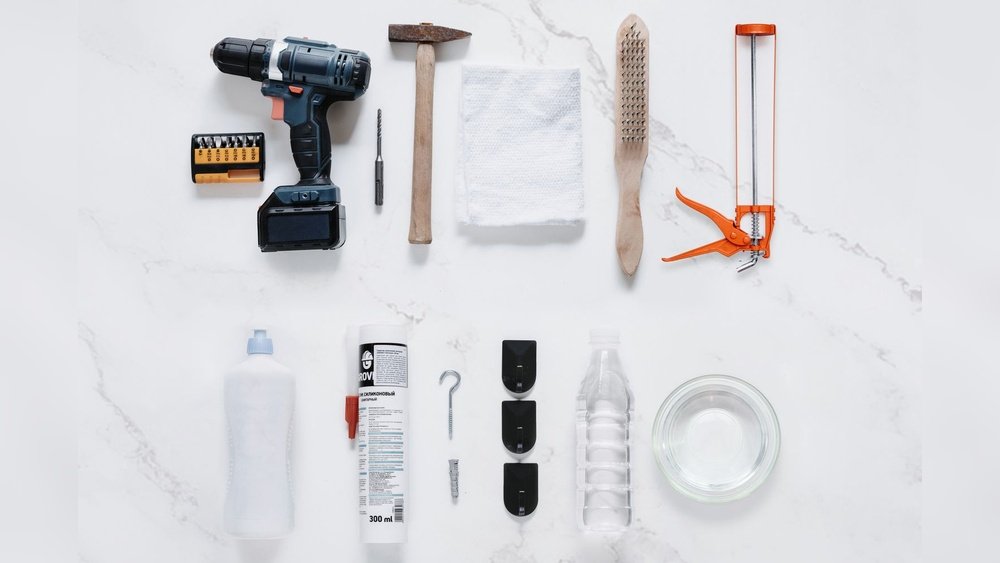
Drilling hooks into stucco needs the right tools and materials. Using proper equipment makes the task easier and safer. Preparing well helps avoid damage to your walls. Below are the essentials you need for this job.
Choosing The Right Drill And Bits
Pick a drill with a hammer or rotary hammer option. This helps break through stucco and masonry. Use masonry drill bits made of carbide or tungsten. These bits last longer and drill clean holes. Match the drill bit size to the hook anchors for a tight fit.
Selecting Suitable Hooks
Choose hooks designed for outdoor or masonry use. Stainless steel or coated hooks resist rust and last longer. Consider the weight you want to hang. Pick hooks that hold more than your item’s weight for safety. Screw-in or expansion hooks work well with stucco.
Additional Supplies
Get plastic wall anchors to secure hooks firmly. A pencil helps mark drilling spots accurately. Use a tape measure to space hooks evenly. Safety glasses protect your eyes from dust and debris. A dust mask keeps you from inhaling fine particles.
Preparing The Stucco Surface
Preparing the stucco surface is the first step before drilling hooks. It ensures a strong hold and prevents damage to the wall. Taking time to prepare properly saves effort later. Understanding the wall structure and marking the right spots are key parts of this process.
Locating The Studs Or Solid Base
Stucco is often applied over wood or metal studs. Hooks need to be anchored into these solid parts. Use a stud finder to locate studs behind the stucco. Move the finder slowly and mark each stud’s edge. This gives a clear idea of where the studs lie.
If no stud finder is available, tap the wall lightly. Listen for a solid sound, not hollow. Solid sounds usually mean a stud or solid base. Mark these spots for drilling later.
Marking Drill Points
After locating studs, choose the exact points for hooks. Use a pencil to mark these spots clearly. Keep the marks visible but light to avoid wall damage. Measure the distance between marks to keep hooks even.
Mark points at the right height and spacing for your needs. Double-check each mark before drilling. Proper marking helps avoid mistakes and ensures secure hook placement.
Drilling Into Stucco Safely
Drilling into stucco requires care to avoid damage. Stucco is hard but brittle. A wrong approach can cause cracks or chips. Safe drilling protects your wall and ensures hooks hold well. Follow simple steps to drill safely and get strong results.
Setting Drill Speed And Technique
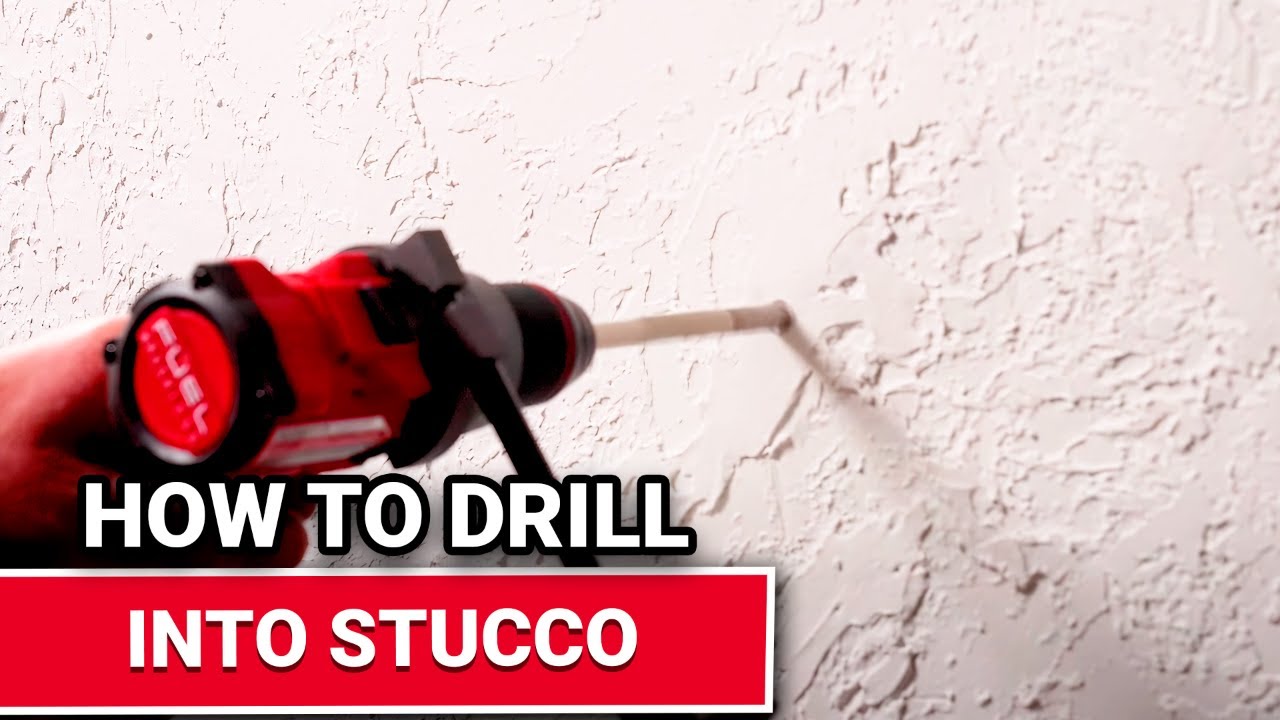
Use a drill with variable speed settings. Start with a slow speed to control the drill. High speed can heat the drill bit and damage stucco. Hold the drill steady and keep it straight. Press lightly to avoid breaking the surface. Let the drill do the work. Slow and steady wins here.
Avoiding Cracks And Damage
Choose the right drill bit for stucco, usually a masonry bit. Mark the spot clearly before drilling. Use painter’s tape over the spot to reduce chipping. Drill a small pilot hole first. This makes a guide and lowers pressure. Avoid pushing too hard or drilling at an angle. Stop drilling as soon as you reach the solid backing behind stucco.
Credit: www.youtube.com
Installing Anchors And Hooks
Installing anchors and hooks into stucco requires care and the right tools. Stucco is a hard surface made from cement, sand, and lime. It can crack if you do not use proper anchors. Anchors hold the hooks firmly, keeping your items safe on the wall. Follow simple steps to choose anchors and secure hooks correctly.
Choosing The Right Anchors
Pick anchors designed for stucco or masonry walls. Plastic anchors work for light loads but may not hold heavy items well. Metal anchors or sleeve anchors offer stronger support. Check the weight of what you want to hang. Match the anchor size to the load and hole diameter. Using the wrong anchor can cause the hook to loosen or the stucco to crack.
Securing Hooks Firmly
Drill a hole slightly smaller than the anchor size. Insert the anchor gently without forcing it. Tap it lightly with a hammer if needed. Screw the hook into the anchor until it is tight. Avoid over-tightening to prevent damage to the stucco. Test the hook by pulling lightly to check its hold. A firm hook keeps your items secure and the wall intact.
Testing Hook Stability
Testing hook stability is important to keep your hooks safe and secure. You want to make sure the hooks hold well before hanging anything heavy. This step helps avoid damage to your stucco and keeps your items from falling. It also shows if you need to make changes for better support.
Weight Limits And Load Testing
Check the weight limit of the hook before using it. Most hooks have a label or packaging with this information. Start by hanging a light object on the hook. Gradually add weight to test how much it can hold. Watch for any signs of slipping or movement. Stop adding weight if the hook feels loose or unstable. This method ensures the hook can handle your needs safely.
Adjusting For Better Support
If the hook moves or feels weak, adjust its position. Try drilling the hook into a different spot in the stucco. Find a place near a wooden stud or solid backing for better hold. Use a larger anchor if the current one is too small. Tighten the hook carefully without cracking the stucco. These small changes improve the hook’s strength and safety.
Maintenance Tips For Hooks On Stucco
Maintaining hooks on stucco walls is important for safety and durability. Proper care helps hooks last longer and keeps them secure. Regular checks and simple steps prevent damage and wear. This section covers key maintenance tips for hooks on stucco.
Regular Inspection
Check hooks on stucco every few months. Look for signs of loosening or cracks around the hook. Make sure hooks stay tight and stable. Tighten screws or bolts if needed. Early detection stops bigger problems later. Watch for any damage to the stucco near hooks. Fix small cracks quickly to avoid water damage.
Preventing Rust And Wear
Use hooks made from rust-resistant materials like stainless steel. Clean hooks regularly to remove dirt and moisture. Apply a light coat of protective spray to prevent rust. Avoid hanging very heavy items that stress hooks. Replace hooks that show signs of rust or wear. Proper care keeps hooks strong and safe for use.

Credit: www.youtube.com
Frequently Asked Questions
How Do You Drill Hooks Into Stucco Walls?
To drill hooks into stucco, use a masonry drill bit and a hammer drill. Mark the spot, drill slowly, and insert anchors before screwing the hooks in. This ensures secure mounting without damaging the stucco.
What Tools Are Needed To Drill Into Stucco?
You need a hammer drill, masonry drill bit, wall anchors, hooks, a pencil for marking, and safety goggles. These tools help you drill safely and effectively into stucco walls.
Can I Hang Heavy Items On Stucco Hooks?
Yes, if you use proper anchors and hooks rated for the weight. Secure the anchors deeply into the stucco and attach hooks firmly to prevent damage or falling.
How Do I Avoid Stucco Damage While Drilling?
Drill slowly with a masonry bit and avoid excessive force. Use a hammer drill with steady pressure and insert anchors carefully to protect the stucco surface.
Conclusion
Drilling hooks into stucco can be simple and safe. Use the right tools and follow each step carefully. Take your time to avoid cracks or damage. Always wear safety gear to protect yourself. With patience, your hooks will hold strong and last long.
Now you can hang items on stucco walls with confidence. Practice makes the process easier and smoother. Enjoy your improved space and stay safe while working.
