


Have you ever struggled with a stubborn screw that just won’t go in straight or feels too tight? Knowing how to drill in a screw properly can save you time, prevent damage, and make your projects look professional.
Whether you’re fixing furniture, hanging shelves, or building something from scratch, mastering this simple skill will boost your confidence and get the job done right. Keep reading, and you’ll discover easy, step-by-step tips to drill screws like a pro—no guesswork, no frustration.
Choosing The Right Tools
Choosing the right tools makes drilling in a screw easier and faster. The right tools protect your materials and reduce damage. Using the correct screwdriver and drill bit helps you work safely. This section explains how to pick the best tools for the job.
Types Of Screwdrivers
Screwdrivers come in different shapes and sizes. The most common types are flathead and Phillips. Flathead screwdrivers have a single flat tip. Phillips screwdrivers have a cross-shaped tip. Choose a screwdriver that fits the screw head tightly. A poor fit can strip the screw and ruin your work.
Selecting The Correct Drill Bit
Drill bits come in many sizes and types. Pick a bit that matches the screw’s size and type. The bit should be slightly smaller than the screw’s diameter. This helps create a hole that holds the screw firmly. Using the wrong bit may cause the screw to loosen or split the material.
Using A Power Drill Vs. Manual Screwdriver
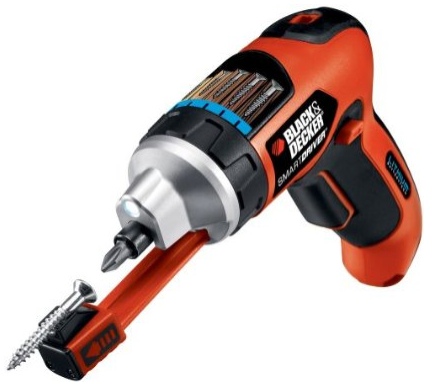
Power drills save time and effort for many screws. They are best for large projects or hard materials. Manual screwdrivers give more control for small or delicate jobs. They are quiet and easy to use. Choose the tool based on the project size and your comfort.
Credit: diy.stackexchange.com
Preparing The Work Area
Preparing the work area is an important step before you drill in a screw. A clean and organized space makes the job easier and safer. It helps you work faster and avoid mistakes. Follow simple steps to get your area ready.
Clearing The Surface
Remove any objects from the workspace. Clear dust, dirt, and debris from the surface. A clean area prevents damage to your materials. It also keeps tools from slipping or getting stuck. Make sure the surface is flat and stable for best results.
Marking The Screw Location
Use a pencil to mark where the screw will go. Measure carefully to place the screw correctly. A clear mark guides the drill bit and keeps the screw straight. Double-check your marks before starting to avoid errors.
Safety Precautions
Wear safety glasses to protect your eyes from dust and debris. Keep your hands away from the drill bit while working. Use gloves for better grip and protection. Work in a well-lit area to see clearly. Always unplug the drill when changing bits or not in use.
Drilling Pilot Holes
Drilling pilot holes is a key step when driving screws into wood or other materials. These small holes guide the screw and prevent the material from splitting. Pilot holes also make screwing easier and keep screws straight. Learning to drill pilot holes correctly saves time and protects your work.
When To Use Pilot Holes
Use pilot holes for hardwood, thick wood, or near edges. Softwood may not need pilot holes for small screws. Long screws often require pilot holes to avoid breaking the wood. Pilot holes reduce the risk of cracks and ensure a tight fit.
Choosing Pilot Hole Size
Pick a drill bit slightly smaller than the screw’s shaft. The hole should fit the screw threads, not the whole screw. A too-large hole makes the screw loose. A too-small hole makes screwing hard and may split the wood. Check screw packaging for recommended drill bit size.
Drilling Techniques
Mark the spot where you want to drill. Hold the drill steady and straight. Start drilling slowly to avoid slipping. Drill just deep enough for the screw’s length. Clean out any wood dust from the hole before screwing. This helps the screw go in smoothly.
Inserting The Screw
Inserting a screw correctly is key to a strong hold and a neat finish. It takes more than just pushing the screw in. Proper technique helps avoid damage to your material and tool. Follow simple steps for the best results.
Aligning The Screw Properly
Hold the screw straight to the surface. A tilted screw can break or strip the hole. Use your fingers to start the screw gently. Keep the drill bit lined up with the screw head. This helps the screw go in smoothly.
Setting The Drill Speed
Choose a slow drill speed for better control. Fast speed can cause the screw to slip. Slow speed lets the screw bite into the material. This reduces the risk of damage and makes the job easier.
Applying The Right Pressure
Press the drill steadily but not too hard. Too much force can strip the screw head. Too little pressure makes the drill slip. Find a balance to keep the screw moving forward cleanly.
Common Mistakes To Avoid
Drilling in a screw might seem simple, but small errors can cause big problems. Avoiding common mistakes saves time and keeps your work strong. This section highlights the usual errors and how to prevent them.
Stripping The Screw Head
Stripping happens when the drill slips and damages the screw head. It makes the screw hard to turn or remove. Use the right screwdriver bit size. Keep steady pressure and drill at a slow speed. Stop if you feel the bit slipping.
Overdriving The Screw
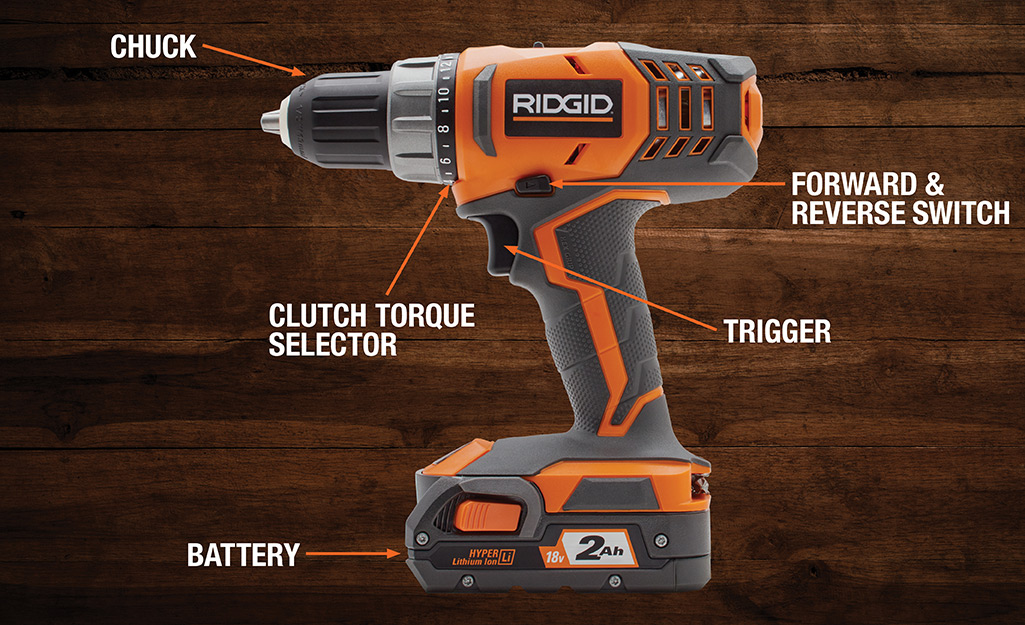
Overdriving means pushing the screw too deep into the material. This weakens the hold and may damage the surface. Set the drill’s clutch to control depth. Drive the screw until it is snug, not too tight. Stop when the screw head is flush with the surface.
Misalignment Issues
Misalignment occurs when the screw goes in at an angle. It can split the wood or reduce the screw’s grip. Hold the drill straight and steady. Start the screw slowly to keep it aligned. Check your work before drilling fully.
Credit: www.homedepot.com
Tips For Different Materials
Drilling screws into different materials needs specific care. Each material reacts differently to the drill and screw. Using the right method saves time and prevents damage. These tips help you drill screws in wood, metal, and drywall with ease.
Wood
Start with a drill bit slightly smaller than the screw. This makes a pilot hole and stops the wood from splitting. Use a slow drill speed for hardwood. For softwood, a higher speed works well. Always drill straight to keep the screw tight.
Metal
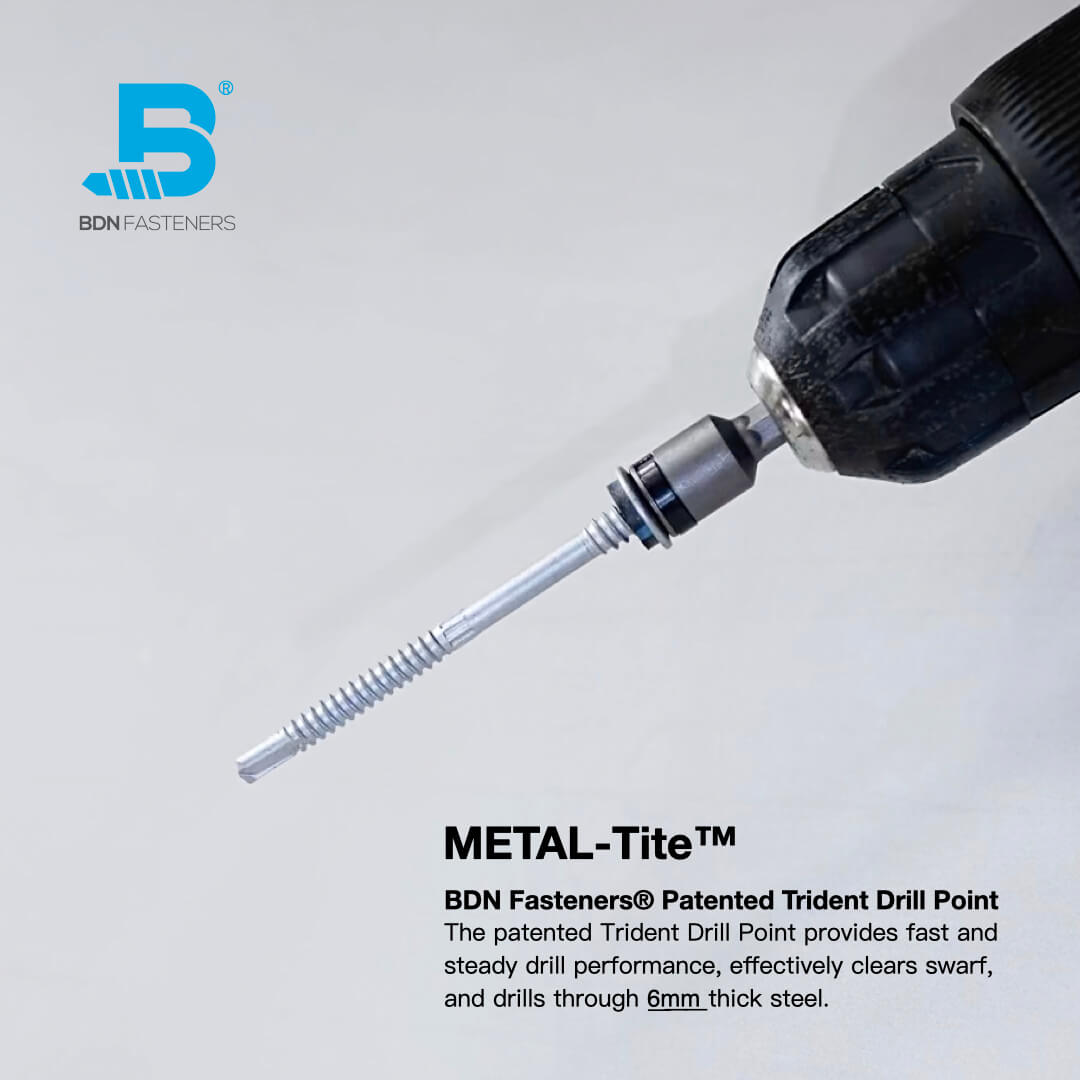
Choose a drill bit made for metal. Use oil or lubricant on the drill bit to keep it cool. Drill slowly and apply steady pressure. Make a small pilot hole first to guide the screw. Avoid forcing the drill to stop bending or breaking the bit.
Drywall
Use drywall screws designed for this material. A drill bit is not always needed for drywall. Start the screw slowly to avoid breaking the drywall. Keep the drill speed low to prevent damage. Stop drilling when the screw head is flush with the wall.
Maintaining Your Tools
Keeping your tools in good shape helps you work better and last longer. Well-maintained tools make drilling screws easier and safer. Spending a little time on care saves money and effort later. Here are simple steps to maintain your drill bits and screwdrivers.
Cleaning Drill Bits
After every use, wipe drill bits with a dry cloth. Remove dust, dirt, and metal shavings carefully. Use a small brush for tight spots. Avoid water, which can cause rust. Light oil on the bits stops rust and keeps them sharp.
Storing Screwdrivers
Keep screwdrivers in a dry place, away from moisture. Use a tool rack or box to organize them. This prevents damage and makes them easy to find. Avoid piling them up, as this can bend or dull the tips. Store them with handles up to protect the tips.
Regular Tool Inspection
Check your tools before and after use for damage. Look for cracks, bent parts, or worn tips. Replace or repair tools that are unsafe or not working well. Tighten loose handles or parts to prevent accidents. Regular checks keep tools ready and safe for every job.
Credit: bdnfasteners.com
Frequently Asked Questions
How Do I Drill In A Screw Without Splitting Wood?
Pre-drill a pilot hole smaller than the screw’s diameter. This prevents wood from splitting when inserting screws.
What Drill Bit Size Is Best For Screws?
Choose a drill bit slightly smaller than the screw’s core. This ensures a tight fit and strong hold.
Can I Use A Drill To Drive Screws?
Yes, use a drill with a screwdriver bit. Apply steady pressure and control speed for best results.
How Do I Avoid Stripping Screw Heads While Drilling?
Use the correct screwdriver bit size. Apply firm pressure and avoid over-tightening to prevent stripping.
Conclusion
Drilling in a screw is simple with the right steps. Start by choosing the correct drill bit and screw size. Keep the drill steady and apply gentle pressure. Take your time to avoid mistakes or damage. Practice makes the process easier and faster.
Following these tips helps you complete your projects with confidence. Now, grab your drill and try it yourself. You will improve with each screw you insert. Small efforts lead to great results.
