


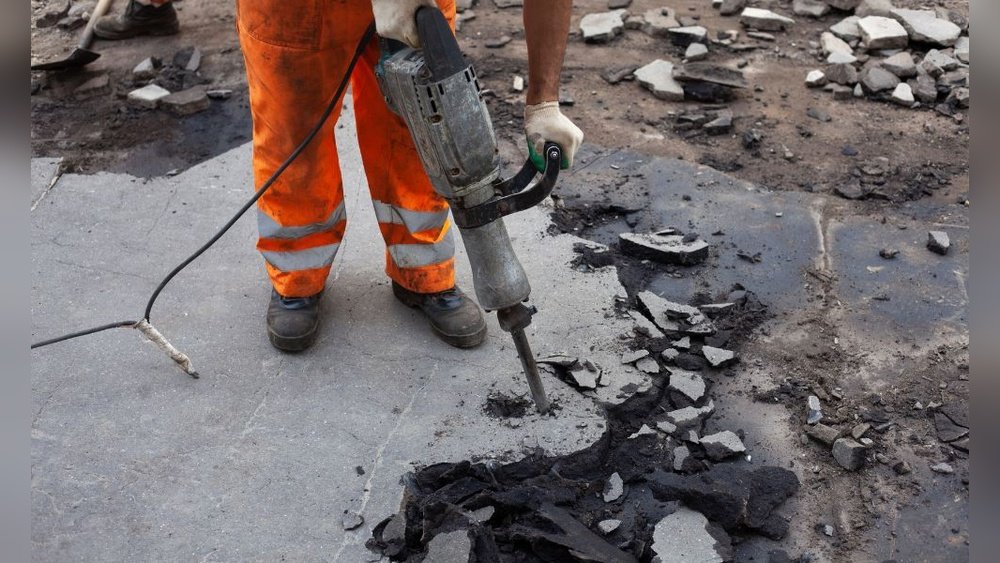
Are you planning a project that requires drilling into asphalt but unsure where to start? Drilling into asphalt can seem tricky, but with the right tools and techniques, you can do it safely and effectively.
Whether you’re installing a fence, setting up a mailbox, or mounting a sign, knowing how to drill properly will save you time and frustration. Keep reading, and you’ll discover simple steps that anyone can follow to get the job done right the first time.
Your project deserves a strong foundation—let’s make sure you have it.
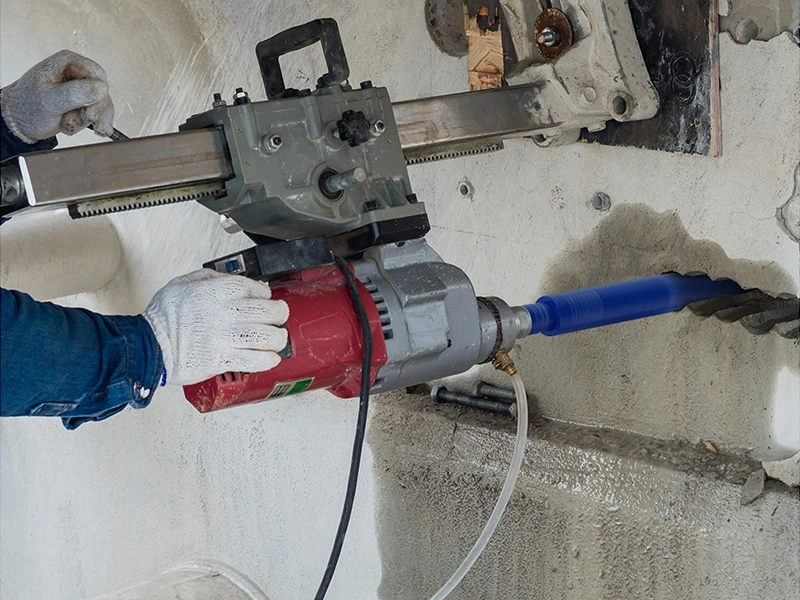
Credit: www.johnsontoolscn.com
Choosing The Right Tools
Choosing the right tools is the first step to drill into asphalt safely and effectively. The correct tools make the job easier and protect your equipment. Using the wrong drill or drill bits can damage the surface or your tools. Safety gear is also essential to protect yourself from dust and debris. This section helps you select the best tools for asphalt drilling.
Selecting The Drill
Pick a drill with high power and good control. A hammer drill or rotary hammer works best for asphalt. These drills provide impact action to break through hard surfaces. Look for a drill with variable speed settings. This helps adjust the speed for better control and less damage.
Picking The Drill Bits
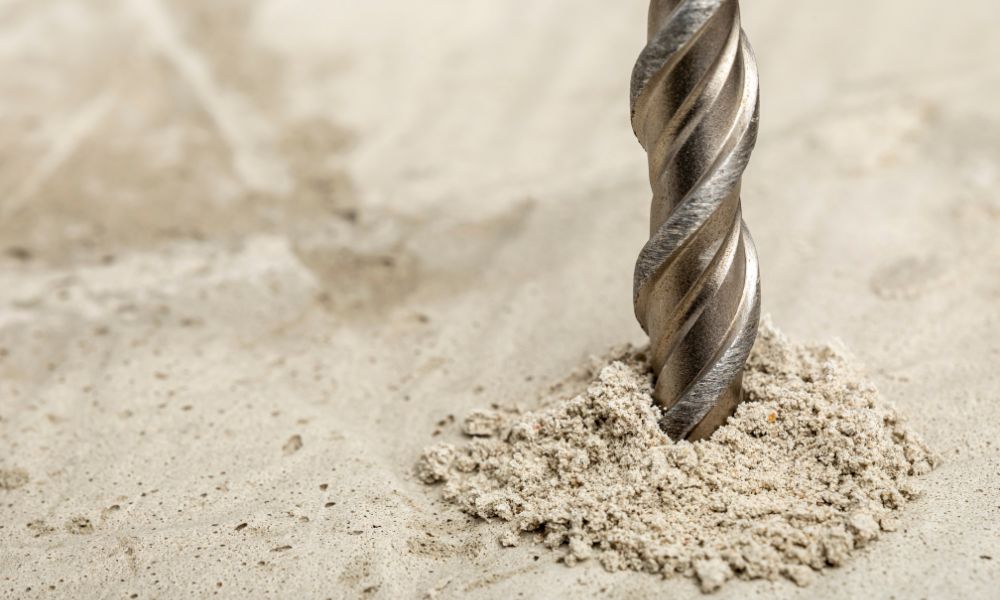
Use drill bits designed for masonry or concrete. Carbide-tipped bits are strong and last longer on asphalt. Choose the right size bit for the hole you need. Start with a smaller bit and increase size gradually to avoid cracking.
Safety Gear Essentials
Wear safety glasses to protect your eyes from dust and chips. Use ear protection because drilling can be very loud. Gloves protect your hands from vibrations and sharp edges. A dust mask keeps you from inhaling harmful particles. Always wear sturdy shoes for foot protection.
Preparing The Asphalt Surface
Preparing the asphalt surface is a key step before drilling. It helps make drilling easier and safer. Taking time to prepare prevents mistakes and damage to the asphalt. Proper preparation also ensures accurate drilling and a cleaner job.
Cleaning The Area
Start by removing all dirt, dust, and debris from the asphalt. Use a broom or a blower to clear the surface. Dirt can clog the drill and cause uneven holes. Make sure the area is dry before drilling. Wet surfaces reduce drill effectiveness and cause slipping.
Marking Drill Points
Mark the exact spots where you want to drill. Use chalk or a marker that shows well on asphalt. Clear markings help guide the drill and avoid mistakes. Double-check measurements before you start drilling. Precision here saves time and prevents extra holes.
Drilling Techniques
Drilling into asphalt requires specific techniques to ensure a clean, safe hole. The right approach helps avoid damage and keeps the drill steady. Understanding these methods makes the task easier and more efficient.
Starting The Hole
Begin by marking the exact spot to drill. Use a center punch or nail to create a small indentation. This keeps the drill bit from slipping. Start drilling at a slow speed. Apply light pressure until the bit bites into the surface.
Maintaining Drill Stability
Hold the drill firmly with both hands. Keep it straight and steady during drilling. Avoid tilting or rocking the drill. Use a drill guide if possible to improve accuracy. Take breaks to prevent the drill from overheating.
Managing Heat And Dust
Drilling asphalt creates heat and dust. Use water to cool the drill bit and reduce dust. Spray water gently on the drilling area. Wear a mask to avoid inhaling dust particles. Clean the drill bit regularly to keep it sharp.

Credit: bigtenrentals.com
Handling Common Challenges
Drilling into asphalt can be tricky. It comes with common challenges that slow down the work. Knowing how to handle these issues helps you finish the task quickly and safely. Here are some simple tips for dealing with common problems during asphalt drilling.
Dealing With Cracks
Cracks in asphalt can cause the drill to slip or break. Start by cleaning the cracks with a brush or air blower. This removes loose debris and dust. Use a smaller drill bit to create a pilot hole first. It guides the larger bit and prevents damage. Avoid drilling directly on the crack line to keep the asphalt stable.
Avoiding Bit Slippage
Bit slippage wastes time and can harm the surface. Use a drill bit designed for masonry or asphalt. Mark the spot clearly before drilling. Apply steady, even pressure. Do not push too hard, or the bit may slip. Keeping the drill straight helps maintain control. A clamp or guide can hold the drill steady for better results.
Working On Thick Asphalt
Thick asphalt takes longer to drill through. Use a high-power drill with enough torque. Start with a small bit to make a pilot hole. Gradually increase the bit size to the needed diameter. Take breaks to avoid overheating the drill bit. Cool the bit with water or spray if needed. This protects the tool and speeds up the work.
Post-drilling Steps
After drilling into asphalt, the job is not complete. Proper care ensures the holes stay clean and stable. These steps help protect your work and the asphalt surface. They prevent damage and make the area last longer.
Cleaning The Drill Holes
Remove dust and debris from the holes. Use a brush or compressed air to clear out loose material. Clean holes help sealants stick better. This step prevents dirt from weakening the repair. Make sure holes are dry before sealing.
Sealing And Repairing
Fill the holes with a suitable sealant or patching material. Choose a product made for asphalt repairs. Press the sealant firmly into the hole to avoid gaps. Smooth the surface to match the surrounding asphalt. Sealing stops water from entering and causing cracks. Allow the repair to dry fully before use.
Credit: www.drillbitwarehouse.com
Maintenance Tips For Drilling Equipment
Proper care of your drilling equipment is key to safe and effective work. Maintaining tools extends their life and keeps them working well. Neglect can cause damage and make drilling harder.
Simple habits help avoid costly repairs and downtime. Clean and store your drill bits and tools correctly. These small steps improve performance and save money.
Cleaning Drill Bits
After each use, remove dirt and debris from drill bits. Use a wire brush or cloth to clean the surface. Avoid water unless bits are dry immediately. Dirt dulls the cutting edges and reduces efficiency. Clean bits drill smoother and last longer.
Storing Tools Properly
Keep drill bits and tools in a dry place. Use a toolbox or case to protect from dust and moisture. Store bits upright or in holders to avoid damage. Proper storage prevents rust and bending. Organized tools also save time during projects.
Frequently Asked Questions
What Tools Are Needed To Drill Into Asphalt?
To drill into asphalt, use a hammer drill with a masonry bit. Also, safety goggles and gloves are essential. These tools ensure efficient and safe drilling into hard surfaces like asphalt.
How Do I Prepare Asphalt For Drilling?
Clean the asphalt surface and mark the drilling spot clearly. Use chalk or tape for accuracy. Proper preparation prevents bit slippage and ensures a precise hole.
Can I Drill Asphalt Without Damaging It?
Yes, use a hammer drill with a carbide-tipped bit. Drill slowly and avoid excessive pressure. This method prevents cracks and damage to the asphalt surface.
How Deep Should I Drill Into Asphalt?
Drill only as deep as necessary for your anchor or bolt. Typically, 2 to 3 inches is sufficient. Excessive depth can weaken the asphalt structure.
Conclusion
Drilling into asphalt takes some care and the right tools. Use a drill with a masonry bit for best results. Keep the drill steady and apply even pressure. Take breaks to avoid overheating the bit. Clear away dust to see your work clearly.
Safety gear helps protect your eyes and hands. With patience, you can finish the job well. Practice on a small spot if unsure. Now you know how to drill into asphalt safely and effectively.
