


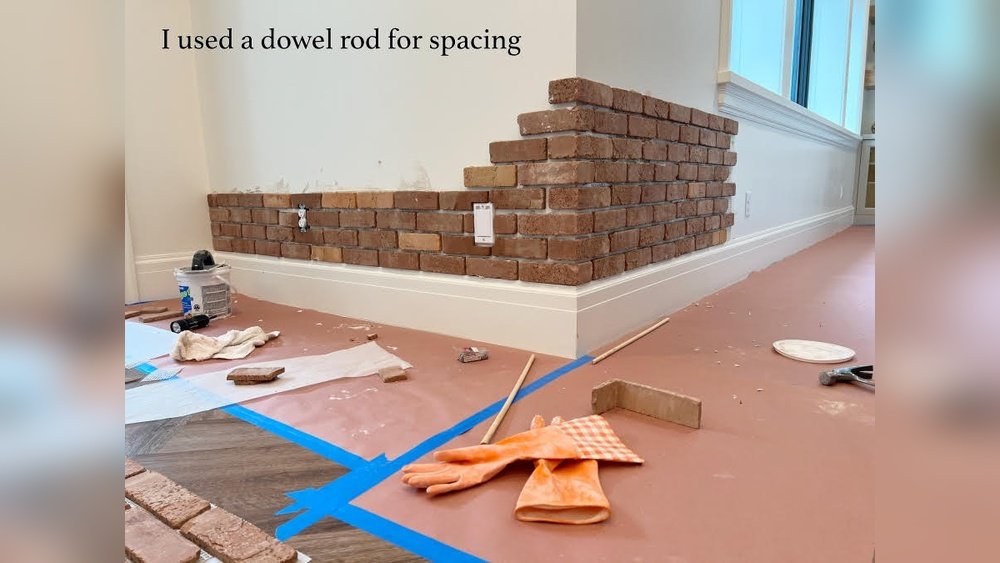
Drilling into brick veneer might sound tricky, but with the right steps, you can do it safely and effectively. Whether you’re hanging shelves, mounting a TV, or installing outdoor lights, knowing how to drill into brick veneer will save you time and frustration.
In this guide, you’ll discover simple tips and tricks that make the job easier and help you avoid common mistakes. Ready to learn how to get the job done right the first time? Keep reading, and you’ll have the confidence to tackle your project like a pro.
Tools Needed
Drilling into brick veneer requires the right tools to make the job safe and effective. Using proper tools helps prevent damage to the brick and ensures a clean hole. This section covers the main tools you need before you start drilling.
Drill Types
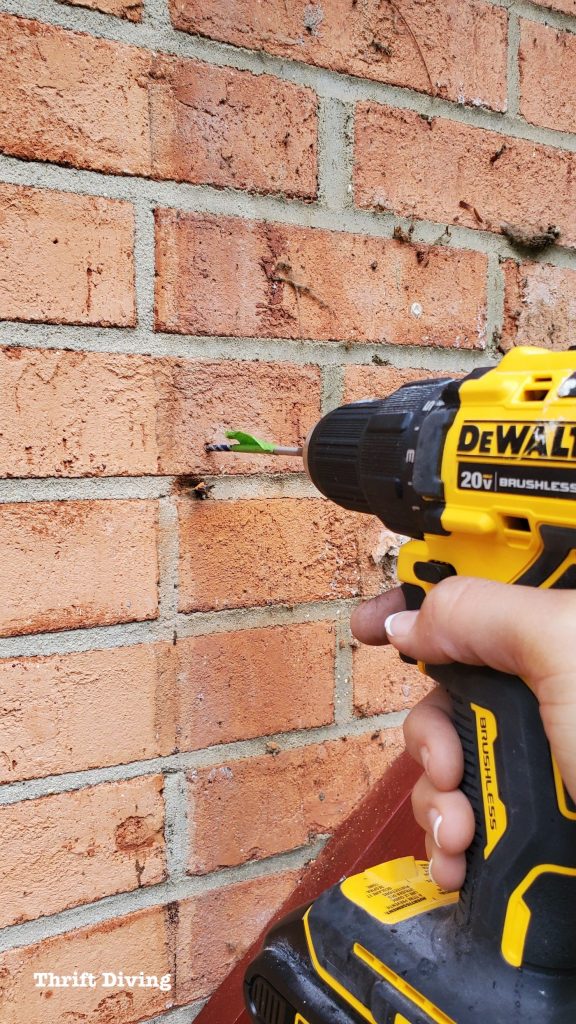
A hammer drill is best for brick veneer. It combines rotation with a pounding action. This makes drilling easier and faster. A regular drill can work but takes more effort and time. Choose a drill with adjustable speed settings for better control.
Drill Bits For Brick Veneer
Use masonry drill bits designed for brick and stone. These bits have a carbide tip that cuts through hard surfaces. Choose the right size bit for your anchor or screw. Avoid using wood or metal bits as they can break or get dull quickly.
Safety Gear
Wear safety glasses to protect your eyes from dust and debris. Gloves keep your hands safe from sharp edges and vibrations. A dust mask prevents inhaling fine particles. Hearing protection is important if using a hammer drill for a long time.

Credit: www.reddit.com
Preparing The Surface
Preparing the surface is the first step before drilling into brick veneer. It helps to make the drilling process smooth and safe. Proper preparation also prevents damage to the brick and ensures a strong hold for screws or anchors.
Cleaning The Area
Start by cleaning the brick surface. Use a brush to remove dust and dirt. Dirt can stop the drill from working well. Wipe the area with a damp cloth to clear loose debris. Let the surface dry fully before drilling. A clean surface helps the drill bit grip better.
Marking Drill Spots
Mark the exact spots where you want to drill. Use a pencil or a marker for clear marks. Double-check the spots to avoid mistakes. Marking guides the drill and keeps holes precise. Accurate marks save time and prevent extra holes.
Drilling Techniques
Drilling into brick veneer requires specific techniques to avoid damage. Proper drilling ensures clean holes and protects the wall. These techniques help you work safely and effectively.
Setting Drill Speed
Choose a low to medium speed on your drill. High speed can overheat the drill bit and damage the brick. Slow speed gives better control and reduces dust. Adjust speed based on the drill type and bit size.
Using Hammer Function
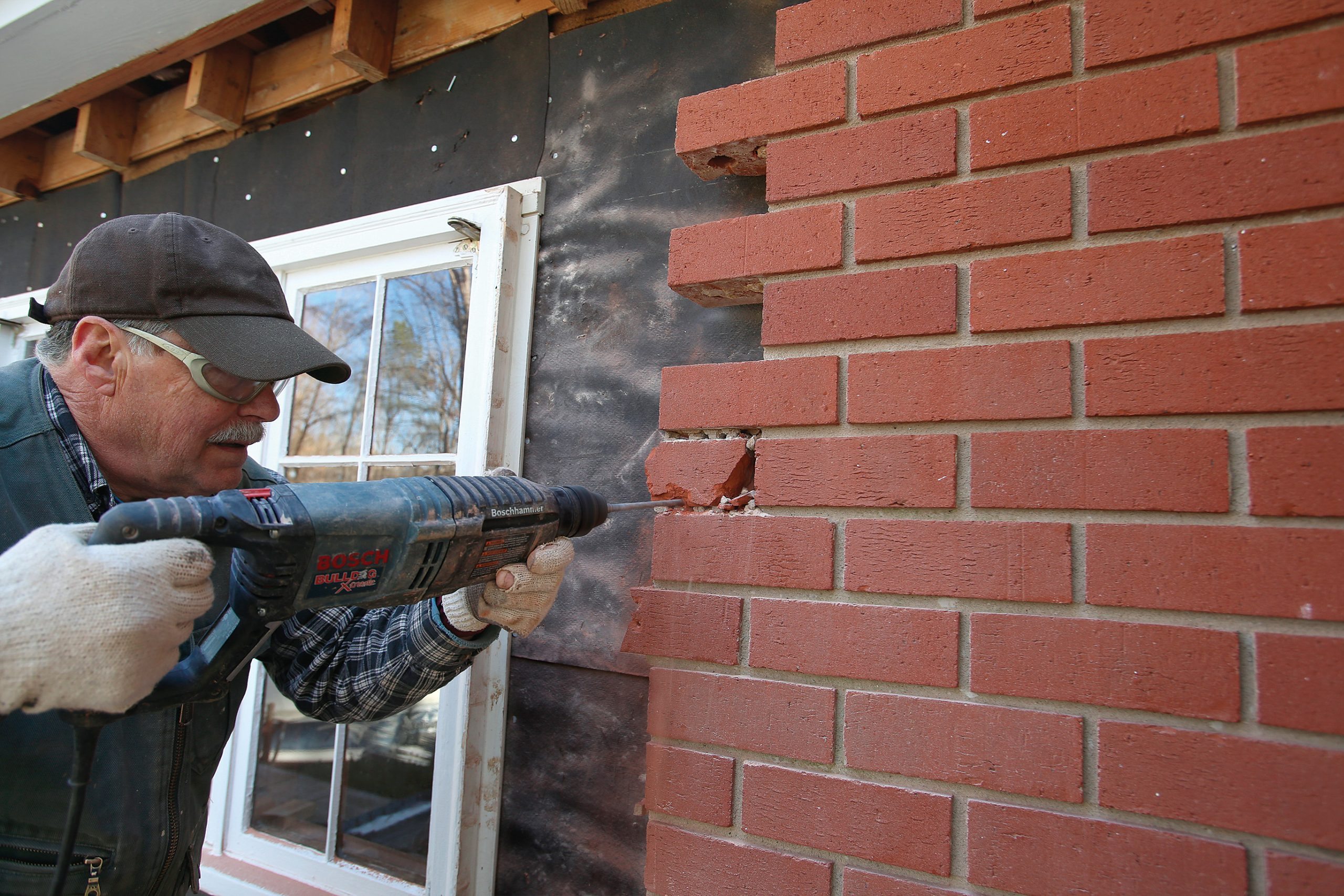
Use the hammer function on a rotary hammer drill for tough bricks. This function adds a pounding action that breaks the brick fibers. It makes drilling faster and easier. Turn off the hammer mode for soft bricks or mortar.
Applying Steady Pressure
Press the drill firmly but gently. Too much force can crack the brick veneer. Too little pressure slows the process and wears the bit. Keep a steady, even pressure until the hole is complete.
Credit: www.finehomebuilding.com
Avoiding Common Issues
Drilling into brick veneer can cause problems if not done carefully. Knowing how to avoid common issues saves time and effort. It also protects the brick surface and your tools. Below are key tips to keep your drilling clean and safe.
Preventing Brick Cracks
Use a sharp masonry drill bit. Dull bits increase pressure and cause cracks. Start drilling slowly to avoid sudden force. Do not press too hard. Let the drill do the work. Mark the spot clearly before drilling. This ensures accuracy and less risk of mistakes.
Dealing With Dust
Drilling creates a lot of dust. Wear a dust mask to protect your lungs. Use a vacuum or a brush to clear dust often. Cover nearby areas to keep dust off furniture. Clean up dust quickly to avoid it spreading in the room.
Handling Drill Bit Wear
Check the drill bit regularly during use. A worn bit drills less efficiently and heats up faster. Replace bits that look dull or chipped. Using the right drill speed helps extend bit life. Cooling the bit with water can also help prevent overheating.
Securing Fixtures
Securing fixtures in brick veneer requires the right approach. The wall’s surface looks solid but is often hollow behind the brick layer. Proper anchors and screws keep your items steady and safe. This section explains how to choose anchors and install screws correctly.
Choosing Anchors
Select anchors made for brick veneer walls. Plastic expansion anchors work for light items. For heavier objects, use sleeve anchors or toggle bolts. These anchors spread inside the wall cavity to hold firmly. Avoid using nails or regular screws; they may not grip well. Always check the weight rating on the anchor package. Match anchors with the fixture’s weight for safety.
Installing Screws
First, drill a hole slightly smaller than the anchor size. Clean dust from the hole with a brush or blower. Insert the anchor gently until flush with the brick surface. Use a screwdriver or drill on low speed to drive the screw into the anchor. Tighten until secure but do not over-tighten. Over-tightening can crack the brick or strip the anchor. Check the fixture’s stability before finishing the job.
Maintenance Tips
Maintaining your drill bits and tools is important for safe and effective drilling into brick veneer. Proper care helps your tools last longer and perform better every time. Follow simple steps to keep your equipment in top shape.
Cleaning Drill Bits
After drilling, bits collect dust and debris. Clean them with a wire brush to remove dirt. Wipe bits with a cloth soaked in rubbing alcohol. This removes residue and prevents rust. Keep bits dry before storing. Clean bits drill smoothly and last longer.
Storing Tools Properly
Store drill bits and tools in a dry place. Use a toolbox or case to avoid damage. Keep bits organized by size for easy use. Avoid leaving tools exposed to moisture or extreme heat. Proper storage protects your tools and keeps them ready for the next job.
Credit: thriftdiving.com
Frequently Asked Questions
How Do I Safely Drill Into Brick Veneer?
Use a masonry drill bit and wear safety goggles. Start with a small pilot hole, then enlarge it slowly. Avoid excessive pressure to prevent brick damage.
What Type Of Drill Bit Works Best For Brick Veneer?
A carbide-tipped masonry bit is ideal. It can easily penetrate the hard surface without breaking or dulling quickly.
Can I Use A Regular Drill For Brick Veneer?
A hammer drill is recommended for efficiency. Regular drills may work but are slower and risk overheating the bit.
How Do I Prevent Cracking Brick Veneer While Drilling?
Drill at a low speed and avoid hammer action initially. Use masking tape over the spot to reduce chipping.
Conclusion
Drilling into brick veneer needs care and the right tools. Use a masonry drill bit for best results. Take your time and drill slowly to avoid damage. Always wear safety gear to protect your eyes and hands. Clean the hole well before adding anchors or screws.
With practice, this task becomes easier and safer. Try these tips for a strong, secure hold every time. Keep your workspace tidy and stay patient throughout the process. Simple steps lead to good results when working with brick veneer.
