


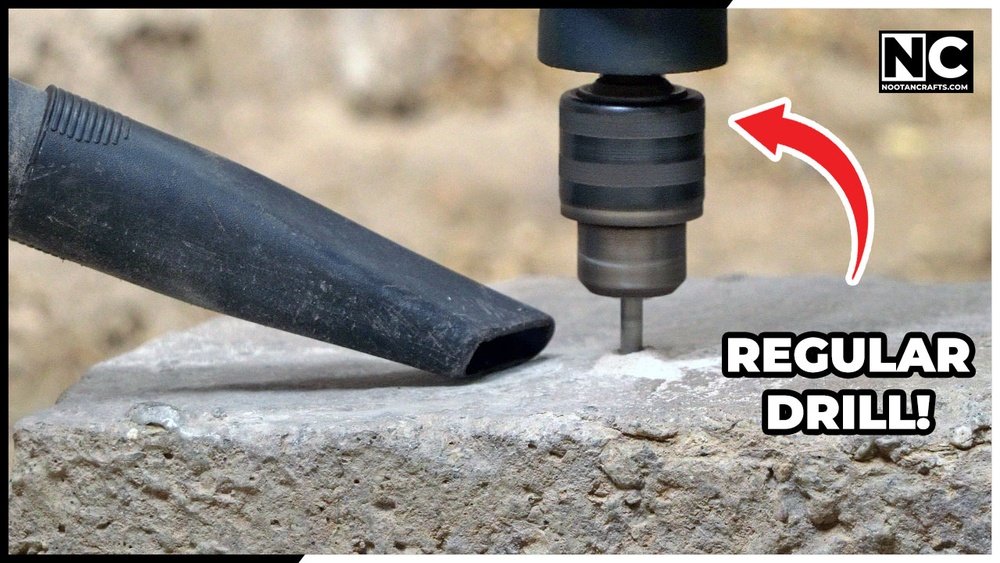
Drilling into concrete can feel like a tough challenge, especially when you don’t have a hammer drill. You might think it’s impossible or too hard to do with just a regular drill.
But what if you could get the job done without special tools? You’ll discover simple, effective ways to drill into concrete using tools you already have. By the end, you’ll have the confidence to tackle your project without extra costs or trips to the store.
Keep reading to learn how to make your drill work harder and smarter for you.
Tools Needed
Drilling into concrete without a hammer drill requires the right tools. Using proper equipment makes the task easier and safer. Prepare before you start to avoid damage and frustration.
Drill Selection
Choose a powerful drill with a variable speed setting. Corded drills offer steady power for hard materials. Cordless drills work but need a strong battery. Pick a drill with at least 600 watts or 18 volts.
Ensure the drill has a side handle for better control. This helps reduce vibrations and improves accuracy. A drill with a clutch can prevent bit damage by slipping at high torque.
Masonry Drill Bits
Select drill bits designed for masonry and concrete. Carbide-tipped bits are tough and last longer. Use the right size bit for the hole you need. Keep extra bits handy, as they can dull quickly.
Inspect bits before use. Worn or damaged bits reduce drilling efficiency. Sharp bits cut better and reduce heat build-up.
Additional Supplies
Gather safety gear like safety goggles and gloves. Concrete dust can irritate eyes and skin. Use a dust mask to protect your lungs from fine particles.
Have a hammer or mallet nearby for extra help. Sometimes tapping the bit helps start the hole. Keep water or a spray bottle to cool the drill bit and reduce dust.

Credit: www.youtube.com
Preparation Steps
Preparation is key before you start drilling into concrete without a hammer drill. Taking the right steps helps make the job easier and safer. Follow these simple preparation steps to get ready for drilling.
Marking The Spot
Identify the exact place where you want to drill. Use a pencil or marker to make a clear mark. Double-check the spot for accuracy. This helps you drill in the right place the first time.
Safety Precautions
Wear safety goggles to protect your eyes from dust and debris. Use ear protection to reduce noise from the drill. Wear gloves to protect your hands. Keep a dust mask handy to avoid inhaling dust. Always work in a well-ventilated area.
Clearing The Area
Remove any objects or furniture near the drilling spot. Clear the floor to avoid tripping hazards. Make sure the area is well-lit. This helps you work freely and prevents accidents.
Drilling Techniques
Drilling into concrete without a hammer drill needs special care. The right techniques help you make clean holes without breaking your drill bit or tiring yourself out. Focus on steady hands and slow progress for best results.
Starting The Hole
Mark the spot clearly with a pencil or marker. Use a small drill bit first to make a pilot hole. Hold the drill steady and start at a low speed. This helps prevent the bit from slipping on the hard surface.
Applying Pressure Correctly
Push the drill gently, just enough to keep the bit biting. Too much pressure can break the bit or damage the drill. Let the drill do the work. Firm and steady pressure works best here.
Maintaining Drill Speed
Keep the drill speed low and consistent. High speeds create heat, which wears out the bit faster. Slow and steady drilling cools the bit and cuts the concrete better. Take breaks if the drill or bit gets hot.
/SPR-how-to-drill-into-concrete-5025037-hero-de019c17ce5c4fe2adb7f6dd9f3ad193.jpg)
Credit: www.flumidieselbosch.com.br
Alternative Methods
Drilling into concrete without a hammer drill can be tough. Still, some simple methods work well for small jobs. These alternative techniques help you get the job done without special tools. They require patience but are effective and budget-friendly.
Using A Nail And Hammer
This old trick is useful for making small holes in concrete. Start with a strong nail, like a masonry nail. Place it where you want the hole. Tap the nail gently with a hammer to create a small dent. Keep tapping firmly until the nail sinks in a little. This dent guides your drill bit or anchor later. It also weakens the concrete, making it easier to drill or insert screws.
Manual Drilling Options
Manual drills or hand braces can work on concrete with the right bits. Use a high-quality carbide-tipped bit for better results. Turn the drill slowly and apply steady pressure. Stop often to clear dust from the hole. This prevents overheating and bit damage. Manual drilling takes time but works well for light tasks. It also avoids the noise and dust of power tools.
Leveraging Chemical Anchors
Chemical anchors offer a strong hold without deep drilling. They use special adhesives that bond with concrete surfaces. First, make a small hole using a nail or manual drill. Clean out the hole thoroughly. Inject the chemical anchor into the hole. Insert the screw or bolt into the adhesive. Let it cure for the time given in instructions. This method creates a solid grip for fixtures on concrete.
Troubleshooting Tips
Drilling into concrete without a hammer drill can be tough. Problems may arise that slow your progress or cause frustration. Knowing how to fix common issues helps you keep going and get the job done right.
This section covers key troubleshooting tips. It explains how to handle bit slippage, overheating, and incomplete holes. Follow these steps to improve your drilling experience and results.
Dealing With Bit Slippage
Bit slippage happens when the drill bit moves but does not bite into the concrete. This can cause uneven holes or damage the bit.
Start by cleaning the drill bit and the drill chuck. Dirt or dust can cause the bit to slip. Use a new or sharp bit made for masonry. Hold the drill firmly and apply steady pressure.
Try starting the hole at a low speed to create a guide spot. This helps prevent the bit from sliding on the surface. Avoid pushing too hard, as this may cause slipping or break the bit.
Handling Overheating
Drilling generates heat. Without a hammer drill, bits can get hot quickly. Overheating weakens the bit and damages the concrete.
Take breaks often. Let the bit cool before continuing. You can also spray water on the bit to lower the temperature. Do not soak the drill, only the bit.
Use a sharp bit to reduce friction. A dull bit creates more heat and wears out fast. Keep the drill speed moderate to avoid excessive heat build-up.
Fixing Incomplete Holes
Incomplete holes happen when the bit stops cutting deeply or gets stuck. This leaves your hole unfinished and uneven.
Clear dust and debris from the hole regularly. Use a small brush or blow air into the hole. This improves cutting and stops the bit from jamming.
Pull the drill out slowly while running it. This removes dust from the bit flutes. If the bit is dull, replace it to ensure a clean, deep hole.

Credit: www.youtube.com
Finishing Touches
After drilling into concrete without a hammer drill, the job is not done yet. The final steps make sure your work is strong and lasts long. These finishing touches help secure your fixtures safely. They also keep the holes clean and ready for use.
Cleaning The Hole
Remove dust and debris from the drilled hole. Use a small brush or blow air inside. This clears loose particles that block anchors. A clean hole gives better grip and strength.
Inserting Anchors
Choose the right anchor for your fixture. Push or tap the anchor gently into the hole. It should fit snugly without too much force. Anchors hold screws firmly in concrete walls.
Securing Fixtures
Place your fixture over the hole with the anchor. Insert screws into the anchor and tighten them. Use a screwdriver or drill without hammer mode. Tight screws keep fixtures steady and safe.
Frequently Asked Questions
Can I Drill Concrete Without A Hammer Drill?
Yes, you can drill concrete without a hammer drill using a masonry drill bit and a regular drill. Apply steady pressure and drill slowly to avoid overheating the bit. This method works for small holes and light-duty tasks.
What Tools Replace A Hammer Drill For Concrete?
A rotary drill with a masonry bit, a hammer function drill, or a manual hand drill can replace a hammer drill. These tools allow drilling into concrete, but may require more time and effort for best results.
How To Prevent Drill Bit Damage When Drilling Concrete?
Use a high-quality carbide masonry bit and drill at a slow speed. Apply water or lubricant to cool the bit. Avoid excessive pressure and let the drill do the work to extend bit life.
How Deep Can I Drill Into Concrete Without A Hammer Drill?
Without a hammer drill, you can drill up to 2-3 inches deep effectively. Deeper holes require more effort and may need specialized tools to maintain accuracy and prevent bit wear.
Conclusion
Drilling into concrete without a hammer drill is possible. Use the right tools and take your time. Choose a strong drill bit made for concrete. Apply steady pressure and drill slowly to avoid damage. Keep the drill bit cool by stopping often.
These steps help you work safely and effectively. With patience, you can complete your project well. Practice makes the process easier over time. Remember, safety first—wear goggles and gloves. Now, you are ready to drill concrete without special tools.
