


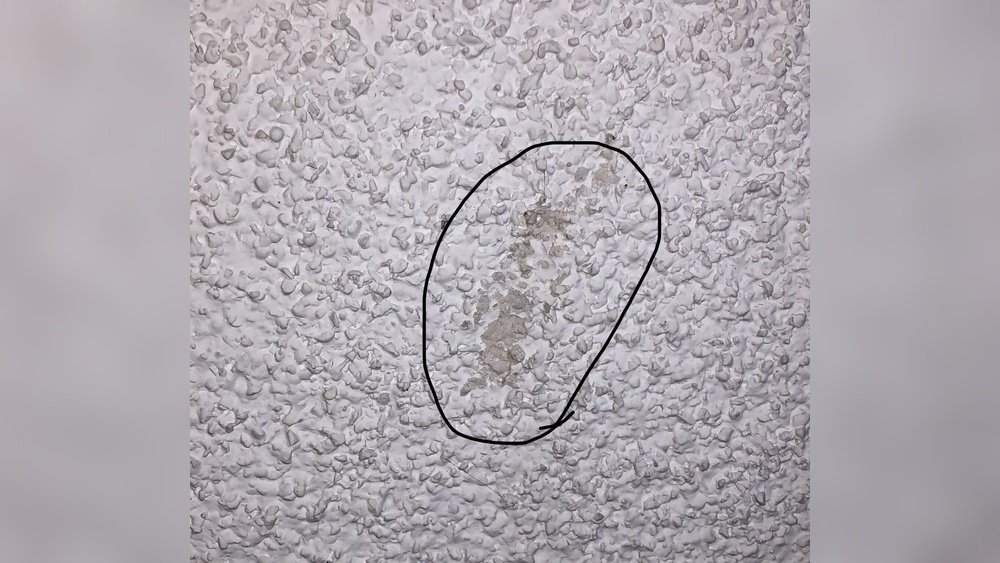
If you’ve ever looked up at your popcorn ceiling and wondered how to drill into it without making a mess, you’re not alone. Drilling into this textured surface can feel tricky and even risky, but with the right steps, you can do it cleanly and safely.
Whether you’re hanging a light fixture, installing a smoke detector, or mounting a shelf, knowing how to handle your popcorn ceiling is key. In this guide, you’ll discover simple tips and tricks that make the job easier, protect your ceiling, and save you time.
Ready to get started? Keep reading to learn exactly how to drill into your popcorn ceiling like a pro.

Credit: www.amazon.com
Tools Needed
Drilling into a popcorn ceiling needs the right tools. Using the proper equipment makes the job easier and cleaner. It also helps avoid damage to the ceiling. Prepare your tools before starting for a smooth process.
Selecting The Right Drill
Choose a drill that is lightweight and easy to control. A cordless drill works best for flexibility. Look for one with adjustable speed settings. Slower speeds help prevent the ceiling from crumbling. Avoid heavy drills that may cause damage.
Choosing Drill Bits
Use sharp, high-quality drill bits to cut through the popcorn texture. A standard wood or masonry bit usually works well. Pick a smaller bit first to make a pilot hole. Then, use a larger bit for the final hole size. This reduces the risk of cracking.
Safety Equipment
Wear safety goggles to protect your eyes from dust and debris. A dust mask is important to avoid inhaling particles. Cover your hair and skin with a hat and long sleeves. Use a drop cloth to catch falling debris. Safety gear keeps you safe and the area clean.
Preparing The Area
Preparing the area before drilling into a popcorn ceiling is important for a smooth and safe job. Taking the time to set up your space helps avoid damage and keeps your work neat. Clear the workspace, protect the surroundings, and mark drill spots carefully. These steps make the process easier and cleaner.
Clearing The Workspace
Remove all furniture and items from the room or move them to the center. Cover remaining objects with plastic sheets or cloth. This prevents dust and debris from settling on your belongings. A clear workspace allows more room to move and reduces accidents.
Protecting Surroundings
Lay drop cloths or old sheets on the floor under the ceiling area. Tape plastic around walls and windows to catch falling dust. Wear safety goggles and a mask to protect your eyes and lungs. Proper protection keeps the mess contained and keeps you safe.
Marking Drill Spots
Use a pencil or painter’s tape to mark where you want to drill. Double-check measurements before marking to ensure accuracy. Clear marks guide your drill and help avoid mistakes. Marking spots carefully saves time and prevents unnecessary holes.
Drilling Techniques
Drilling into a popcorn ceiling needs careful technique. The texture is fragile and can crumble easily. The right method helps protect the ceiling and gives a clean hole. Follow these simple drilling techniques for the best results.
Setting Drill Speed
Use a low drill speed to prevent damage. Fast speeds can cause the drill bit to slip. A slow speed controls the drill better and protects the ceiling. Start slow and increase speed only if needed. This keeps the popcorn texture intact.
Drilling At The Correct Angle
Hold the drill straight at a 90-degree angle. Angled drilling can break the popcorn or make a rough hole. A straight angle keeps the hole clean and precise. Keep steady pressure to avoid pushing too hard. This reduces the risk of cracking the ceiling.
Avoiding Ceiling Damage
Place painter’s tape on the drilling spot. Tape helps hold the popcorn texture in place. Use a small drill bit first to make a pilot hole. A pilot hole guides the larger bit safely. Clean any loose debris gently with a soft brush. This protects the ceiling and keeps the work neat.

Credit: www.youtube.com
Handling Popcorn Texture
Handling popcorn texture takes care and patience. The rough, bumpy surface can crack or crumble during drilling. Protecting the texture keeps your ceiling looking good and saves repair work later. Simple steps help maintain the popcorn finish while making holes.
Minimizing Texture Cracking
Use painter’s tape on the drilling spot. It holds the texture and stops cracks. Drill slowly with light pressure. Avoid pushing hard. Let the drill do the work. Use a small drill bit first. This reduces stress on the ceiling.
Cleaning Loose Debris
Popcorn ceilings shed loose bits easily. Gently brush the area with a soft brush. Use a vacuum with a brush attachment to remove dust. Keep the area clean to prevent damage. Clean surfaces help paint and patch stick better.
Repairing Small Holes
Fill tiny holes with joint compound or spackle. Use a putty knife to smooth it out. Let it dry completely. Lightly sand the patch to blend with the ceiling. Touch up with matching paint if needed. This keeps the popcorn texture seamless.
Safety Tips
Drilling into a popcorn ceiling needs careful safety steps. This helps avoid health risks and damage. Follow these tips to protect yourself and your home.
Dealing With Asbestos Concerns
Older popcorn ceilings may contain asbestos. Asbestos is harmful if its dust is breathed in. Test the ceiling before drilling. Use a professional service for testing. If asbestos is present, avoid drilling yourself. Hire experts to handle the work safely.
Using Protective Gear
Wear a dust mask or respirator to protect your lungs. Use safety goggles to shield your eyes from debris. Put on gloves to keep your hands safe. Cover your clothing with a disposable suit or old clothes. This gear stops dust and particles from causing harm.
Proper Ventilation
Keep the room well-ventilated during drilling. Open windows and use fans to move air outside. This reduces dust buildup in the room. Good airflow helps keep the air cleaner for breathing. Avoid working in a closed space without fresh air.

Credit: www.reddit.com
Alternative Methods
Drilling into a popcorn ceiling can be tricky and messy. Alternative methods offer simple ways to hang items without damaging the ceiling. These options save time and reduce cleanup. They work well for light to medium-weight objects. Below are two popular alternatives that protect your ceiling texture.
Using Adhesive Hooks
Adhesive hooks stick directly onto the popcorn ceiling. They hold small decorations or lightweight pictures. Choose hooks with strong adhesive for better grip. Clean the surface gently before applying the hook. Press firmly and wait for the recommended time. Avoid heavy items to prevent falling. Removing the hook causes less damage than drilling.
Ceiling Hooks Without Drilling
Ceiling hooks without drilling use tension or clamps. They fit between the ceiling and a nearby wall. These hooks work well for hanging plants or lights. No holes or dust appear during installation. Check weight limits before hanging any object. These hooks keep the popcorn ceiling intact and clean. They provide a stable solution without tools.
Frequently Asked Questions
How Do I Safely Drill Into A Popcorn Ceiling?
To drill safely, wear protective gear and use a sharp drill bit. Avoid applying too much pressure to prevent ceiling damage. Place a small piece of painter’s tape where you want to drill to reduce popcorn falling.
What Drill Bit Is Best For Popcorn Ceilings?
Use a small, sharp masonry or multipurpose drill bit for popcorn ceilings. A 1/8-inch bit is ideal for most light fixtures and hooks. Ensure the bit is clean to minimize popcorn texture damage.
How Can I Prevent Popcorn Ceiling Damage While Drilling?
Apply painter’s tape over the drilling spot to hold loose texture. Drill slowly and gently to avoid cracking or dislodging popcorn. Clean up debris carefully to maintain the ceiling’s appearance.
Should I Test Drill On Popcorn Ceiling First?
Yes, test drilling in an inconspicuous area first. This helps you gauge pressure, drill speed, and potential damage. Testing ensures you avoid large holes or texture loss on visible surfaces.
Conclusion
Drilling into a popcorn ceiling can be tricky but doable. Take your time and prepare the area well. Use the right tools and protect yourself from dust. Drill slowly to avoid damage or crumbling. Clean up any mess right after you finish.
These simple steps help keep your ceiling intact. Stay patient and careful for the best results. Now, you can tackle this task with confidence.
