


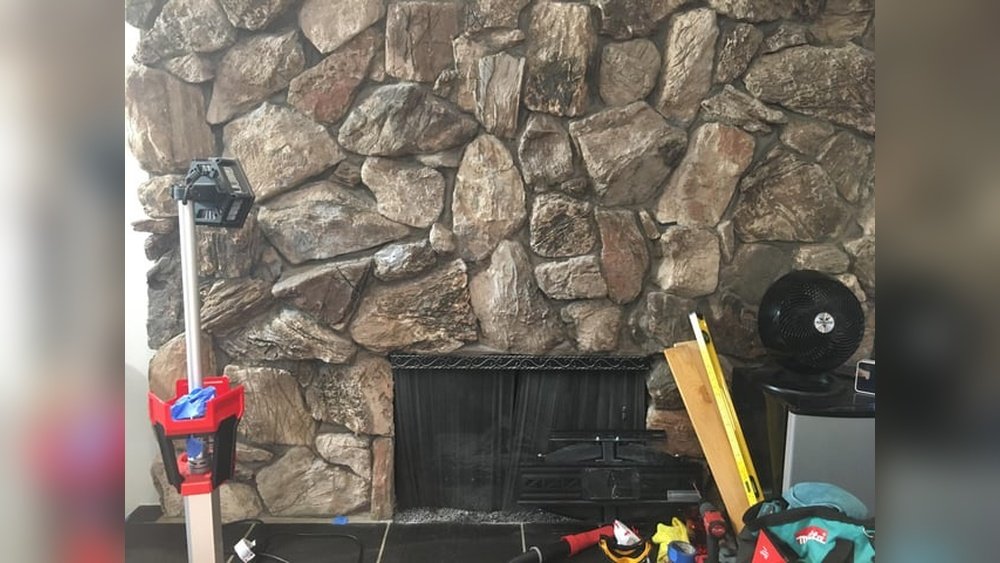
Are you looking to add shelves, hang decorations, or install a new feature on your rock fireplace? Drilling into rock can seem tricky and even risky if you don’t know the right steps.
But don’t worry—this guide will walk you through the process in simple, clear terms. By the end, you’ll feel confident handling your tools and making precise holes without damaging your fireplace. Keep reading to discover the easy techniques that will save you time and frustration.
Your rock fireplace makeover starts here!
Choosing The Right Tools
Choosing the right tools is the first step to drill into a rock fireplace safely and effectively. The tools must suit the hard surface of the rock. Using the wrong tools can break the drill or damage the fireplace. It also makes the task harder and unsafe. Understanding which drill and bits to use helps complete the job faster. Safety gear is also crucial to protect yourself from dust and debris. Let’s explore the tools needed for this task.
Drill Types For Rock
A hammer drill is best for drilling into rock. It combines rotary motion with a hammering action. This helps break the hard rock surface. Regular drills may not work well on rock. A rotary hammer drill is even more powerful for tough rock. Choose a drill with variable speed settings to control drilling depth. Corded drills offer constant power, but cordless drills give more freedom of movement.
Best Drill Bits
Use masonry drill bits made for stone and concrete. These bits have a carbide tip that stays sharp. Diamond-tipped bits are perfect for very hard rocks. They last longer and drill faster. Avoid using wood or metal bits; they wear out quickly. Always pick the right bit size for the hole you want. Start with a small bit, then increase size gradually.
Safety Gear Essentials
Wear safety goggles to protect eyes from rock dust and chips. A dust mask stops inhaling harmful particles. Gloves protect hands from sharp edges and heat. Use ear protection to block loud drilling noise. Wear long sleeves and pants to guard your skin. Make sure your work area is well-ventilated to reduce dust buildup.

Credit: www.reddit.com
Preparing The Fireplace Surface
Preparing the fireplace surface is the first step to drill into rock safely and cleanly. Proper preparation helps the drill work better and prevents damage to the fireplace. It also makes the job easier and faster. Follow these steps to get the surface ready.
Cleaning The Rock
Remove dust and dirt from the rock surface. Use a brush or a cloth to clean the area. Dirt can block the drill bit or cause it to slip. Make sure the rock is dry before you start drilling. A clean surface helps the drill bite into the rock better.
Marking Drill Points
Mark exact spots where you want to drill. Use a pencil or a marker that shows well on the rock. Measure twice, mark once. Clear marks help you drill straight and avoid mistakes. Keep marks small but visible.
Checking For Hidden Obstacles
Look for any pipes, wires, or fasteners behind the rock. Use a stud finder or tap the surface and listen for hollow sounds. Drilling into obstacles can cause damage or injury. Make sure the area is safe to drill before you start.
Drilling Techniques
Drilling into a rock fireplace requires special techniques. Rock is hard and can crack if not drilled correctly. Using the right methods helps you drill safely and efficiently. Focus on drill speed, pressure, and stability for best results. Pilot holes also play a key role in guiding the drill bit. These steps protect your tools and the fireplace.
Setting Drill Speed And Pressure
Choose a low drill speed for rock surfaces. High speed can cause overheating and damage the bit. Apply steady, gentle pressure. Press too hard, and the rock may crack. Press too soft, and the drill will slip. Let the drill do the work. Control speed and pressure carefully for smooth drilling.
Using Pilot Holes
Start with a small pilot hole before drilling the full size. Pilot holes guide the larger drill bit. They reduce the risk of slipping or cracking. Use a smaller masonry bit for the pilot hole. Drill slowly and straight. Pilot holes save time and protect the fireplace surface.
Maintaining Drill Stability
Keep the drill steady during the process. Use both hands to hold the drill firmly. Position your body to balance the drill weight. Avoid sudden movements or twisting. A stable drill bit prevents mistakes and keeps the hole clean. Stability improves accuracy and safety.

Credit: diy.stackexchange.com
Handling Common Challenges
Drilling into a rock fireplace can be tough. The stone is hard and sometimes fragile. Challenges like cracks, dust, and heat can slow you down. Knowing how to handle these problems makes the work easier and safer. Here are some tips to help you deal with common issues.
Dealing With Cracks And Weak Spots
Cracks and weak spots can break or cause the stone to crumble. Check the area before drilling. Avoid drilling too close to cracks. Use a smaller drill bit to start gently. Move slowly to prevent spreading damage. Support the stone if it feels loose.
Managing Dust And Debris
Drilling creates a lot of dust and debris. Dust can block your view and harm your lungs. Use a vacuum or a brush to clear dust often. Wear a mask to protect yourself. Clean the area regularly to keep it safe and neat.
Cooling The Drill Bit
Drill bits heat up fast when drilling rock. Hot bits can wear out or break. Stop drilling now and then to let the bit cool. Spray water on the bit to keep it cool. Use a drill with a lower speed to avoid overheating.
Post-drilling Tips
After drilling into your rock fireplace, taking care of the holes is important. Proper post-drilling steps help ensure the holes last and hold well. These tips make your project safer and stronger. Follow each step carefully for the best results.
Cleaning The Holes
Clear dust and debris from the drilled holes. Use a small brush or compressed air to clean inside. Clean holes help anchors fit tightly. This prevents weak holds and slipping later. Take your time to remove all loose particles.
Inserting Anchors Or Fasteners
Choose anchors made for rock or masonry. Insert them gently into the cleaned holes. Tap lightly with a hammer if needed. Make sure anchors sit flush with the surface. Proper insertion keeps fixtures secure and stable.
Inspecting Hole Quality
Check each hole for cracks or chips. Look for uneven edges or loose material. Bad holes can cause anchors to fail. Fix any problems by re-drilling or filling gaps. This step protects your fireplace and ensures safety.

Credit: www.reddit.com
Frequently Asked Questions
How Do I Safely Drill Into A Rock Fireplace?
Use a hammer drill with a masonry bit for safety. Wear goggles and gloves. Start with a small pilot hole to prevent cracking. Apply steady, moderate pressure without forcing the drill.
What Drill Bit Is Best For Rock Fireplaces?
A carbide-tipped masonry drill bit works best. It can handle hard stone without dulling quickly. Choose the right diameter for your anchor or screw to ensure a secure fit.
Can I Drill Into Natural Stone Or Only Manufactured Rock?
You can drill into both natural stone and manufactured rock. Natural stone may require slower drilling and more cooling breaks. Always test on a small area first to avoid damage.
How Do I Prevent Cracks When Drilling Rock Fireplaces?
Use a low drill speed and steady pressure. Start with a small pilot hole to reduce stress. Keep the drill bit cool by spraying water occasionally. Avoid sudden impacts or twisting motions.
Conclusion
Drilling into a rock fireplace takes patience and the right tools. Use a hammer drill with a masonry bit for best results. Keep the drill steady and apply gentle pressure. Take breaks to avoid overheating the bit. Always wear safety glasses to protect your eyes.
With care and attention, you can create clean holes safely. This simple method helps you hang decorations or install fixtures easily. Practice on a small spot before starting the main area. Stay calm, work slowly, and your project will go smoothly.
