


Drilling into stone might seem tricky, but with the right approach, you can do it safely and effectively. Whether you’re hanging a heavy picture, installing shelves, or starting a DIY project, knowing how to drill into stone is a skill you’ll want to master.
You’ll discover simple steps and expert tips that make the process easier than you think. Ready to learn how to get clean, precise holes without cracking or damaging your stone surface? Let’s get started!
Credit: www.youtube.com
Choosing The Right Tools
Choosing the right tools makes drilling into stone easier and safer. Stone is hard and can damage weak tools. Using proper equipment saves time and effort. It also helps you avoid mistakes and accidents. This section explains which tools work best for stone drilling.
Types Of Drill Bits For Stone
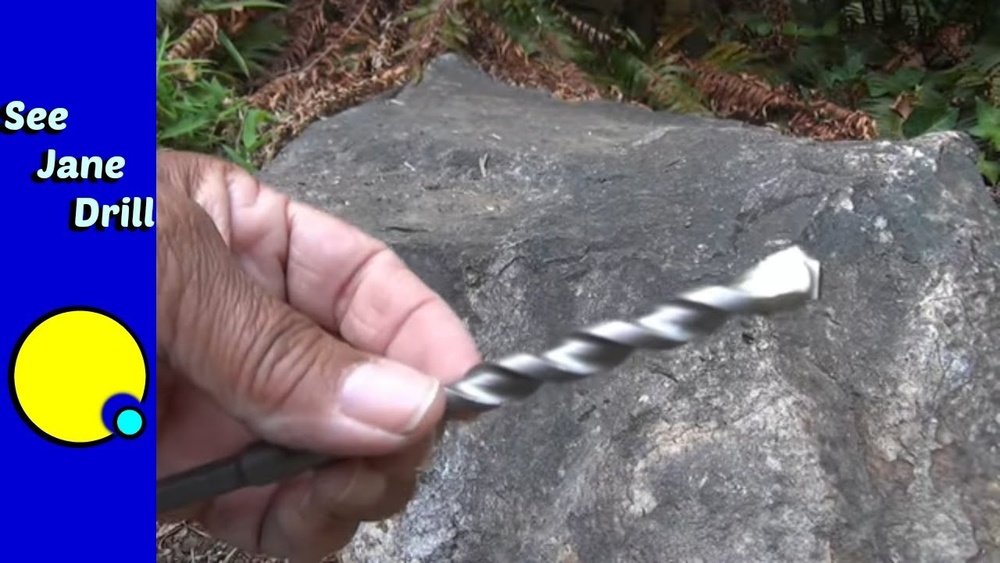
Drill bits designed for stone are tough and durable. Carbide-tipped bits are very common and cut through stone well. Diamond-tipped bits offer high precision and last longer. Masonry bits also work for soft stone and bricks. Using the right bit protects both the stone and the drill.
Selecting The Best Drill Machine
A hammer drill is the top choice for stone drilling. It delivers strong, controlled impacts that break stone easily. Corded drills provide steady power but cordless drills offer more freedom. Make sure your drill has variable speed control for accuracy. A drill with enough power avoids burning out the bit.
Essential Safety Gear
Protecting yourself is crucial when drilling stone. Safety glasses keep dust and chips out of your eyes. Wear a dust mask to avoid breathing in stone particles. Gloves protect your hands from rough surfaces and vibrations. Ear protection reduces noise from the drill. Always work in a well-ventilated area.
Credit: eternaltools.com
Preparing The Stone Surface
Preparing the stone surface is a key step before drilling. It helps ensure the drill bit stays in place. It also reduces the chance of stone cracking or damage. Proper preparation saves time and effort during drilling.
Cleaning And Marking Drill Spots
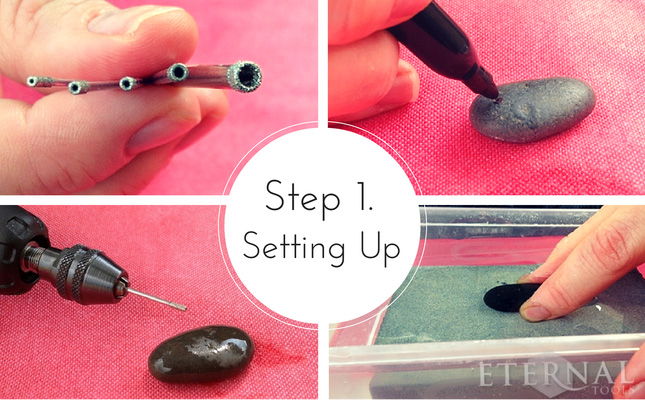
Start by cleaning the stone surface. Remove dirt, dust, and grease with a brush or cloth. A clean surface helps the drill bit grip better. Use a pencil or marker to mark exact drill points. Clear marks guide the drill and keep holes accurate.
Using Tape For Better Grip
Place a piece of masking tape over the marked spot. The tape adds extra grip for the drill bit. It also prevents the bit from slipping on smooth stone. The tape helps protect the surface from scratches. Drill right through the tape for precise holes.
Avoiding Cracks And Damage
Stone can crack if drilled too fast or hard. Use a slow drill speed and steady pressure. Avoid pushing the drill bit too deep at once. Drill in stages to reduce stress on the stone. Cooling the drill bit with water also prevents cracks.
Drilling Techniques
Drilling into stone needs careful techniques to avoid damage. Using the right methods helps the drill bit last longer. It also makes the work safer and cleaner. Understanding these techniques improves your chances of success.
Setting The Drill Speed
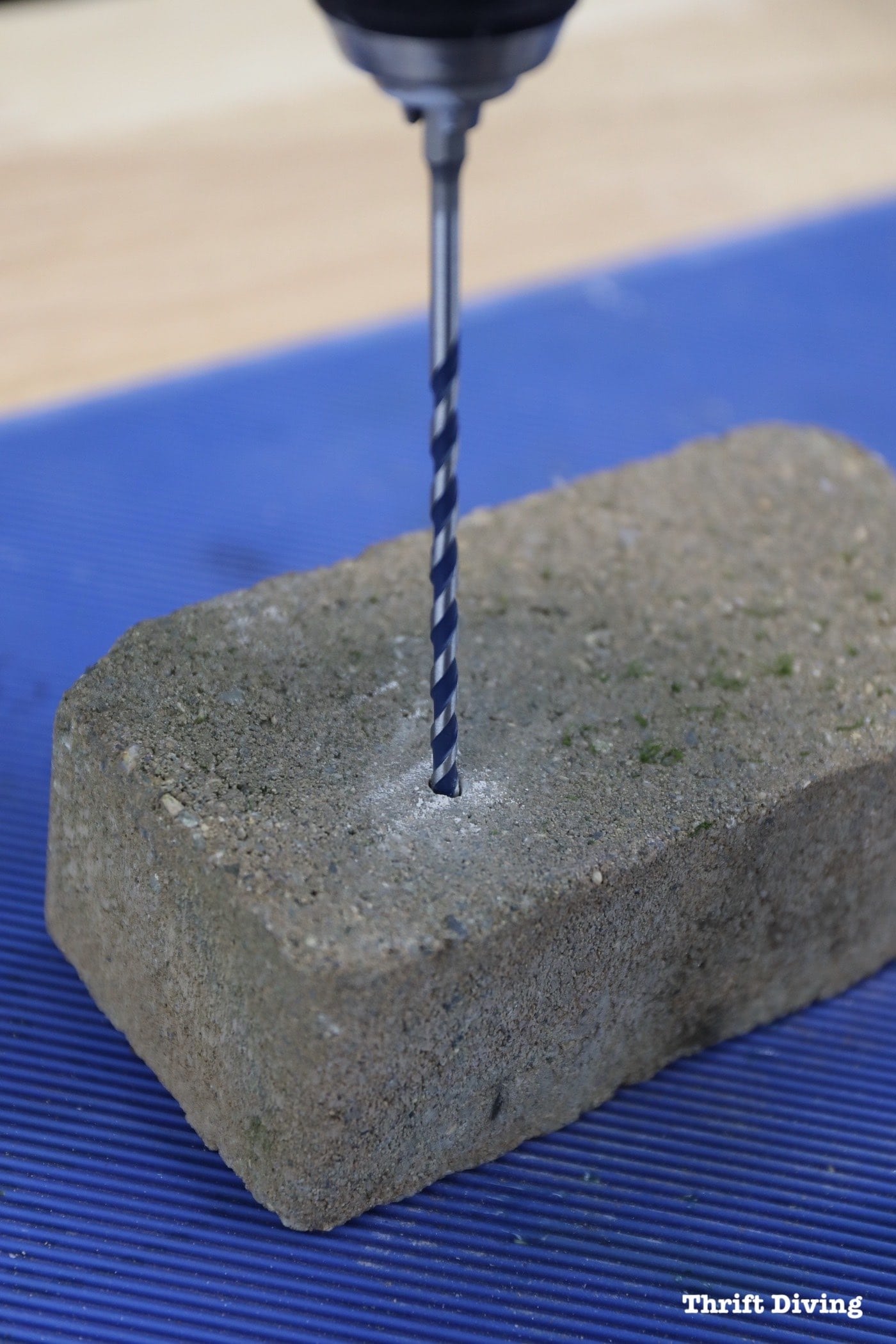
Set the drill to a slow speed before starting. High speed can cause the bit to overheat and break. Use a hammer drill mode if your tool has one. Slow speeds give better control and reduce dust.
Applying Correct Pressure
Push the drill gently but firmly against the stone. Too much pressure can crack the stone or damage the bit. Too little pressure wastes time and wears the bit out. Steady, even pressure helps the drill work efficiently.
Cooling Methods To Prevent Overheating
Keep the drill bit cool to avoid damage. Use water to cool the bit while drilling. Spray water or dip the bit in water often. Cooling stops the bit from overheating and breaking.
Credit: thriftdiving.com
Handling Common Challenges
Drilling into stone can bring some common challenges. These challenges can slow down your work or damage the stone. Knowing how to handle these issues helps you drill smoothly and safely. This section covers ways to deal with hard or brittle stone, fix misaligned holes, and remove stuck drill bits.
Dealing With Hard Or Brittle Stone
Hard stone requires extra care and the right tools. Use a diamond-tipped drill bit for tough stone. Start drilling slowly to avoid cracks. Keep the drill steady and do not push too hard. For brittle stone, drill gently and use water to cool the bit. This stops the stone from breaking.
Fixing Misaligned Holes
Misaligned holes can ruin your project. Mark the correct spot clearly before drilling. If a hole is off, try to fill it with a strong filler. Let the filler dry completely. You can then drill the hole in the right place. Use a guide or clamp to keep the drill steady next time.
Removing Stuck Drill Bits
Drill bits can get stuck in stone sometimes. Stop drilling immediately to avoid damage. Use pliers to gently twist and pull the bit out. Apply some lubricant around the stuck bit to loosen it. If needed, tap lightly around the bit to break the grip. Always remove the bit carefully to protect your drill and stone.
Finishing Touches
After drilling into stone, the job is not quite done. Finishing touches make your work neat and durable. These steps improve the look and strength of the drilled area. Small efforts here can prevent damage and keep the stone looking good for years.
Cleaning Drill Holes
Remove dust and stone chips from the holes. Use a small brush or blow air to clean inside. Clean holes help anchors and screws fit tightly. Dirt can stop fasteners from holding well.
Smoothing Rough Edges
Check the edges around the hole. Stone can chip or crack after drilling. Use sandpaper or a stone file to smooth rough spots. This stops cracks from growing and keeps the stone safe.
Sealing And Protection
Apply a sealant to the drilled area. Sealants stop water and dirt from entering holes. This protects the stone from damage and stains. Choose a sealant made for the type of stone you drilled.
Maintenance Tips
Proper maintenance keeps your tools working well and lasting longer. Caring for your drill bits and storing equipment correctly helps avoid damage and saves money. Simple steps make a big difference in how your tools perform.
Caring For Drill Bits
Clean drill bits after each use. Remove dust and stone particles with a brush or cloth. Avoid using water to prevent rust. Check bits for dullness or damage before starting a new job. Sharpen or replace worn bits to keep drilling smooth. Use the right bit for the stone type to avoid quick wear.
Storing Equipment Properly
Store drill bits and tools in a dry place. Use a toolbox or case with compartments to keep bits separate. Avoid leaving bits loose where they can bump and chip. Keep equipment away from moisture and extreme temperatures. Organize tools for easy access and longer life. Proper storage helps maintain sharpness and prevents rust.
Frequently Asked Questions
What Tools Do I Need To Drill Into Stone?
You need a hammer drill or rotary hammer with a carbide-tipped masonry bit. Safety goggles and gloves are essential. Using the right tools ensures clean, efficient holes without damaging the stone or drill.
How Do I Prevent Stone From Cracking While Drilling?
Use a slow drill speed and steady pressure. Start with a small pilot hole, then gradually increase drill bit size. Applying water cools the stone and reduces dust, minimizing cracking risks.
Can I Drill Into Any Type Of Stone?
Most natural stones like granite, marble, and limestone can be drilled with proper tools. Softer stones require less pressure. Always test on a small area first to avoid damage or unexpected results.
How Do I Drill Deep Holes In Stone Safely?
Use a drill with variable speed control and a long masonry bit. Pause periodically to cool the bit with water. Keep the drill steady and avoid forcing it to prevent breakage.
Conclusion
Drilling into stone takes care and patience. Use the right drill and bit for best results. Keep your drill steady and go slow. Always wear safety gear to protect yourself. Water can help keep the stone cool and dust down.
Practice on a small area before starting your main project. With time and care, you can drill clean holes in stone. This skill can help with many home and garden tasks. Stay safe and take your time for the best outcome.
