


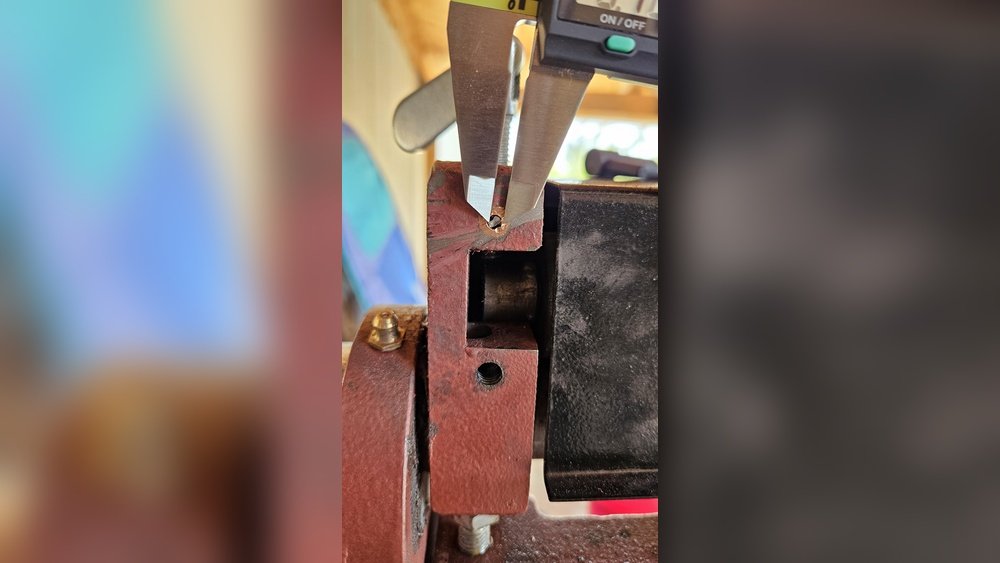
Have you ever been halfway through a project when your drill bit suddenly snaps and breaks off inside the material? It’s frustrating, right?
A broken drill bit can stop your work dead in its tracks and leave you wondering what to do next. But don’t worry—this problem isn’t as tricky to fix as it seems. In this guide, you’ll learn simple, step-by-step methods to drill out a broken drill bit safely and quickly.
Keep reading, and you’ll be back to your project in no time, saving both your time and your tools.
Tools Needed
Removing a broken drill bit requires the right tools. Having these tools ready makes the process easier and safer. Some tools are common and found in many toolkits. Others are specialized for drill bit removal. Understanding what tools you need helps you prepare well.
Common Drill Accessories
Start with basic tools found in most workshops. A center punch helps mark the broken bit’s center. A hammer works with the punch to create a small dent. This dent guides the drill for removal. A drill with various drill bits lets you carefully drill around the broken piece. Pliers can grip and twist out bits that stick out. Safety glasses protect your eyes from flying debris. These simple tools handle many broken bit problems.
Specialized Removal Tools
For tougher bits, special tools work best. An easy-out or screw extractor is designed to remove broken bits. It bites into the broken drill bit and helps pull it out. A left-hand drill bit spins the opposite way to loosen the stuck piece. Some kits include small taps and reamers to clean and widen the hole. These tools fit tight spots and tough breaks. Having specialized tools improves success and reduces damage.

Credit: www.youtube.com
Safety Precautions
Drilling out a broken drill bit needs care and attention. Safety is the top priority to avoid injuries. Follow the right steps to protect yourself and others around you. Prepare your workspace well and wear the correct gear. These actions reduce risks and help you work better.
Protective Gear
Always wear safety glasses to protect your eyes from flying debris. Use gloves to shield your hands from sharp edges and heat. Hearing protection helps prevent damage from loud drilling noises. Wear a dust mask if drilling creates dust. Proper clothing, like long sleeves and closed shoes, adds extra safety.
Work Area Setup
Choose a clean, well-lit workspace to see clearly. Secure the workpiece tightly with clamps to stop movement. Keep tools and materials organized to avoid accidents. Remove any flammable items near the drilling area. Make sure the floor is dry and free of obstacles. Keep others at a safe distance during drilling.
Assessing The Damage
Before you start drilling out a broken drill bit, you must assess the damage carefully. This step helps you choose the right tools and methods. Understanding the bit type, material, depth, and position is key. It saves time and prevents more damage to your workpiece.
Bit Type And Material
First, identify the type of drill bit stuck inside. Different bits need different approaches. A high-speed steel (HSS) bit breaks differently than a carbide bit. Steel bits are softer and easier to remove. Carbide bits are very hard and may need special tools. Knowing the material helps you decide how much force to use. It also tells you what tools will work best.
Depth And Position
Next, check how deep the broken bit is stuck. A shallow bit is easier to remove than one deep inside the hole. Also, look at the position of the broken piece. Is it straight or tilted? A tilted bit can be harder to pull out. Sometimes, the broken bit is flush with the surface. Other times, it is buried deeper. These details guide your approach. They affect the drilling speed and tool size you will need.
Basic Removal Methods
Removing a broken drill bit can be tricky but not impossible. Start with basic methods before using complex tools. These simple techniques often work well and save time. They need only common tools you might already have. Focus and patience are key to avoid damaging the material.
Using Pliers Or Tweezers
Look for the broken bit’s end sticking out. Grab it firmly with pliers or tweezers. Pull straight out with steady force. Twist slightly if it feels stuck. Use needle-nose pliers for small bits. Avoid squeezing too hard to prevent slipping. This method works best for bits visible outside the hole.
Tapping And Loosening Techniques
Tap around the broken bit gently using a hammer. This loosens rust and debris holding the bit. Use a punch or small nail to tap. Hit softly to avoid damage. After tapping, try pulling the bit out again. Repeat the tapping and pulling if needed. This method helps free stuck bits inside holes.
Advanced Techniques
Advanced techniques help remove broken drill bits stuck deep in materials. These methods need special tools or careful tapping. They work well when simple ways fail. Use these techniques with care to avoid damage.
Drill Extractor Tools
Drill extractor tools are made to pull broken bits out. They have sharp edges that grip the bit tightly. First, drill a small hole in the broken bit. Then insert the extractor and turn it counterclockwise. The bit will slowly unscrew and come out. Choose the right size extractor for the bit. Work slowly to avoid breaking the extractor inside.
Using A Punch And Hammer
This method taps out the broken bit with force. Use a center punch and a small hammer. Place the punch at the edge of the bit. Tap gently to move the bit sideways or out. Increase hammer force slowly, but do not hit too hard. This technique works best for bits near the surface. Keep the punch steady to avoid slipping. Always wear safety glasses during this process.

Credit: www.youtube.com
Preventing Future Breakages
Broken drill bits cause delays and extra costs. Preventing breakages saves time and money. It keeps your work smooth and efficient. Follow simple steps to protect your drill bits from breaking.
Proper Drilling Speed
Using the right speed helps avoid breaking drill bits. Too fast makes the bit heat up and weaken. Too slow can cause the bit to get stuck. Match the speed with the material you drill. Softer materials need faster speeds. Hard materials need slower speeds. Check the drill’s manual for recommended speeds.
Correct Bit Selection
Choosing the right drill bit matters a lot. Use bits made for the material you work on. Wood, metal, and masonry need different bits. Using the wrong bit causes more stress and breakage. Pick the right size for the hole you need. Bigger holes require bigger bits and more care. Always inspect bits before use for damage or wear.
When To Seek Professional Help
Knowing when to seek professional help is important. Removing a broken drill bit can be tricky and dangerous. Some situations need expert tools and skills. Trying to fix it alone might cause more damage or injury.
Recognizing these signs saves time and money. It also keeps your project safe and smooth.
Broken Bit Deep Inside The Material
If the drill bit is stuck deep, it may be hard to reach. Using wrong tools can push it further inside. Professionals have special tools to extract deep bits safely.
Bit Stuck In Hard Or Delicate Materials
Removing a bit from tough or fragile materials needs care. Wrong methods might crack or damage the workpiece. Experts know how to protect the material while removing the bit.
Damage To The Drill Or Workpiece
If the drill or material is already damaged, extra caution is needed. Professionals can assess and fix damage without making it worse. They can also suggest the best repair options.
Unsafe Or Uncertain Situations
Feeling unsure about the process or tools is a warning. Using too much force or the wrong method can cause accidents. Experts have training to handle difficult cases safely.

Credit: mechanics.stackexchange.com
Frequently Asked Questions
How Can I Safely Remove A Broken Drill Bit?
To safely remove a broken drill bit, first stop drilling immediately. Use pliers or a screw extractor to grip and pull out the broken piece. Applying penetrating oil can loosen the bit. Work slowly to avoid damaging the drill or workpiece.
What Tools Do I Need To Drill Out A Broken Bit?
Essential tools include locking pliers, a screw extractor, a center punch, and a hammer. Penetrating oil helps loosen the bit. A drill with a smaller bit is needed to create a pilot hole for the extractor.
Can I Reuse A Drill Bit After Breaking It?
No, a broken drill bit should not be reused. It’s weakened and unsafe. Using a damaged bit can cause poor drilling and may break again, risking injury.
How Do I Prevent Drill Bits From Breaking?
Use the correct drill bit for your material. Apply steady, moderate pressure and avoid overheating by drilling slowly. Keep bits sharp and use proper lubrication when needed. Proper technique extends bit life.
Conclusion
Removing a broken drill bit takes patience and the right tools. Start slow and stay careful to avoid damage. Small steps make the process easier and safer. Keep your workspace clean and organized for better focus. With practice, you will handle this task more confidently.
Remember, safety always comes first during any drilling job. Try these tips next time you face a stuck drill bit. You can fix the problem without calling a professional. Simple methods often work best and save your time.
