



Have you ever faced the frustrating challenge of a commercial lock that just won’t budge? Whether you’re locked out of your office or dealing with a jammed door, knowing how to drill out a commercial lock can save you time, money, and stress.
In this guide, you’ll learn simple, step-by-step techniques to get the job done safely and effectively. Stick with me, and by the end, you’ll feel confident handling even the toughest locks without calling a locksmith. Let’s dive in and unlock the solution together.
Choosing The Right Drill
Choosing the right drill is key to safely and effectively drilling out a commercial lock. The drill must be strong enough to break the lock parts. It should also offer control to avoid damage to the door or nearby hardware. Picking the correct drill and accessories saves time and effort.
Types Of Drills Suitable For Locks
Corded drills provide steady power for tough locks. They do not lose strength during use. Cordless drills offer portability but may lose power quickly. A hammer drill can help break hardened lock components. It delivers rapid, strong impacts. Choose a drill that suits the lock’s material and your comfort.
Drill Bits To Use
Use high-speed steel (HSS) bits for general metal locks. Titanium-coated bits last longer and resist heat. Carbide-tipped bits work best on hardened steel locks. Start with a small bit to make a pilot hole. Gradually increase bit size to avoid cracking the lock or door.
Power And Speed Considerations
Higher power drills make faster work of tough locks. But too much speed can damage the door. Use moderate speed to keep control and precision. A drill with adjustable speed settings is ideal. Steady pressure and slow speed prevent slipping and accidents.

Credit: www.youtube.com
Preparing To Drill
Preparing to drill a commercial lock is a crucial step for success and safety. Proper preparation helps avoid damage and ensures the job goes smoothly. Before drilling, take time to get ready carefully.
Safety Gear And Precautions
Wear safety glasses to protect your eyes from metal shards. Use gloves to keep your hands safe and steady. Ear protection is important because drilling can be loud. Work in a well-lit area to see clearly. Keep your workspace clean and free of clutter. Always keep a first aid kit nearby for emergencies.
Gathering Necessary Tools
Use a power drill with variable speed settings. Choose drill bits made for metal, like cobalt or titanium. Have a center punch to mark where you will drill. Keep a lubricant spray to cool the drill bit. A sturdy screwdriver helps remove lock parts after drilling. Have a flashlight or headlamp ready for better visibility.
Assessing The Lock Type
Look closely at the lock’s design and material. Some locks have hardened steel, which needs special bits. Identify if the lock is a cylinder, mortise, or padlock. Each type requires a different drilling approach. Check for anti-drill plates or shields that protect the lock. Understanding the lock helps plan the drilling process better.
Step-by-step Drilling Process
Drilling out a commercial lock requires care and precision. Following each step carefully ensures safety and success. Below is a simple guide to help you through the drilling process.
Marking The Drill Spot
Start by finding the exact spot to drill. Usually, this is the center of the lock cylinder. Use a marker or tape to mark the spot clearly. This helps keep your drill steady and in the right place.
Drilling At The Correct Angle
Hold the drill straight, not tilted. A 90-degree angle to the lock surface works best. This angle allows the drill to cut through the lock parts evenly. Avoid any slant to prevent damage to surrounding parts.
Applying Steady Pressure
Press the drill gently but firmly. Too much force can break the drill bit. Too little pressure slows the process. Keep a steady hand and let the drill do the work at its pace.
When To Stop Drilling
Stop drilling once you reach the lock’s internal mechanism. You will feel less resistance. The lock should turn or come apart easily. Avoid drilling too deep, which can damage the door or lock housing.
Post-drilling Actions
After drilling out a commercial lock, certain steps follow to restore security. These post-drilling actions ensure safety and prepare the door for a new lock. Proper handling at this stage saves time and avoids future problems.
Removing Lock Components
Start by taking out all loose lock parts carefully. Use pliers or screwdrivers to remove small pieces. Clear the lock cylinder, pins, and any broken parts left inside. Check the door edge for any metal fragments or debris. Removing these pieces prevents damage to the new lock.
Cleaning Up The Area
Clean the drilled hole and surrounding area thoroughly. Use a vacuum or brush to clear metal shavings and dust. Wipe the door surface with a cloth to remove dirt. Keeping the area clean helps the new lock fit properly. It also avoids rust and other damage later.
Installing A New Lock
Choose a lock that matches the door’s size and type. Insert the new lock carefully into the cleaned hole. Align screws and tighten them securely, but do not overtighten. Test the lock several times to ensure smooth operation. Proper installation restores security quickly and effectively.
Common Challenges And Solutions
Drilling out a commercial lock is not always easy. There are common problems that can slow down the process. Knowing these challenges helps you prepare and work safely. This section covers typical issues and ways to fix them. Follow these tips to drill smoothly and avoid damage.
Dealing With Hardened Locks
Commercial locks often have hardened steel parts. These parts resist normal drill bits. Use a high-quality, carbide-tipped drill bit for better results. Start drilling slowly to avoid heat build-up. Spray some oil on the bit to keep it cool. Patience is key; do not rush the drilling.
Avoiding Drill Bit Breakage
Drill bits can break if you apply too much force. Hold the drill steady but avoid pressing hard. Let the bit do the cutting work. Use a drill with adjustable speed and keep it low. If the bit starts to smoke, stop and cool it down. Replace the bit if it becomes dull or worn.
Handling Lock Jamming
Drills can jam inside the lock cylinder. This happens when metal shavings clog the hole. Pull the drill out carefully to avoid damage. Blow out the debris with compressed air or a small brush. Clear the hole often during drilling. This keeps the drill moving smoothly and prevents jamming.
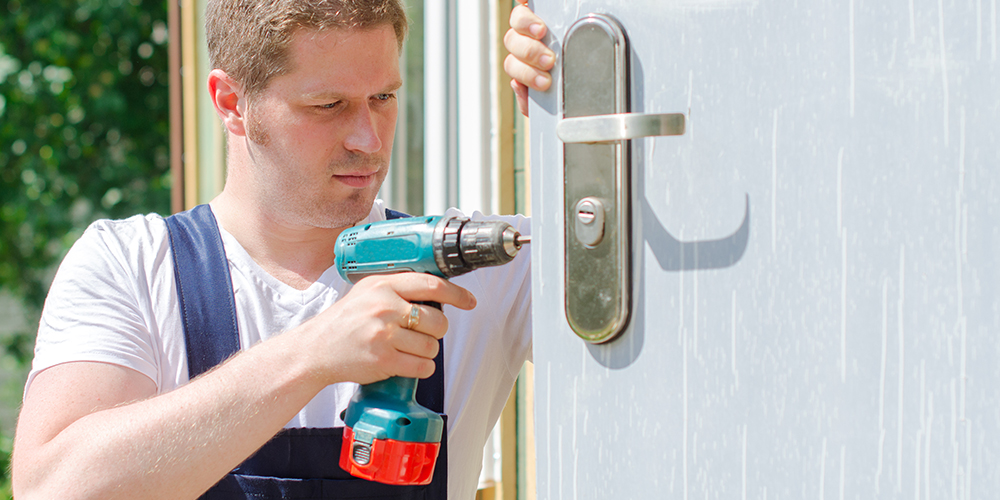
Credit: unitedlocksmith.net
Legal And Ethical Considerations
Drilling out a commercial lock is a serious action. It can cause damage and legal problems. Understanding the legal and ethical rules is important before you start. This helps protect your rights and respect others’.
When Drilling Is Permissible
Drilling a lock is allowed only in certain cases. For example, when you own the property and cannot open the lock. Or when you have clear permission from the owner. Doing it without consent may lead to legal trouble. Always check local laws before drilling a lock.
Respecting Property Rights
Property rights protect owners from damage and theft. Drilling a lock without permission breaks these rights. It is illegal to damage someone else’s property. Always get written permission before drilling a commercial lock. Respect for property builds trust and avoids conflicts.
Emergency Situations
Emergencies may require quick action to drill a lock. Examples include fire, medical help, or safety threats. In these cases, drilling can save lives or prevent harm. Still, you should inform the owner or authorities as soon as possible. Acting responsibly keeps situations under control.

Credit: www.amazon.com
Frequently Asked Questions
What Tools Are Needed To Drill Out A Commercial Lock?
You need a power drill, high-speed drill bits, safety glasses, and a lubricant. These tools help efficiently and safely drill out the lock cylinder.
How Do I Safely Drill Out A Commercial Lock?
Wear safety glasses and gloves. Use a steady hand and low drill speed. Drill at the lock cylinder’s center for best results.
Can Drilling Out A Lock Damage The Door?
Yes, drilling may damage the lock and door hardware. Be precise to minimize damage, but some repairs might be necessary afterward.
How Long Does It Take To Drill Out A Commercial Lock?
Drilling out a commercial lock usually takes 5 to 15 minutes. Time depends on lock type, drill quality, and user experience.
Conclusion
Drilling out a commercial lock takes care and the right tools. Always wear safety gear to protect yourself. Work slowly to avoid damaging the door or lock. Knowing the lock type helps choose the best drill bit. Practice on old locks before trying on important ones.
This method can save time in emergencies or lockouts. Remember, use this skill responsibly and legally. With patience, you can handle most commercial locks confidently. Keep learning and stay safe while working on locks.
