


Have you ever found yourself locked out, staring at a stubborn cylinder lock that just won’t budge? Whether you lost your keys or the lock is damaged beyond repair, knowing how to drill out a cylinder lock can save you time, money, and frustration.
In this guide, you’ll discover simple, step-by-step instructions to help you get through the lock safely and efficiently. Keep reading, and by the end, you’ll feel confident handling this tricky situation on your own.

Credit: www.youtube.com
Tools Needed
Drilling out a cylinder lock needs the right tools. Having the correct equipment makes the job easier and safer. Each tool has a specific role in the process. Understanding these tools helps you prepare well.
Drill Types
Use a power drill with good control. Corded drills offer steady power without battery loss. Cordless drills provide mobility but check battery life. Choose a drill with variable speed settings. Low speed helps prevent damage to surrounding parts.
Drill Bits
Start with a small pilot bit for accuracy. Use high-speed steel (HSS) bits for metal drilling. Titanium-coated bits last longer and stay sharp. Carbide-tipped bits handle tough lock materials. Bring several sizes to match lock thickness.
Safety Gear
Wear safety glasses to protect your eyes from metal shards. Use gloves to prevent hand injuries. Ear protection reduces noise from drilling. A dust mask stops inhaling metal particles. Safety first keeps the task risk-free.
Prepare The Lock
Before drilling out a cylinder lock, preparation is key. This step ensures safety and accuracy during drilling. Taking time to prepare helps avoid damage to the door or lock mechanism. A well-prepared lock makes the drilling process smoother and faster.
Clear The Area
Remove anything near the lock that could get damaged. Clear furniture, decorations, or tools from the workspace. This creates a safe zone and avoids distractions. Keep the area well-lit to see clearly while working. Clear space helps prevent accidents and mistakes.
Mark The Drill Spot
Identify the exact spot to drill on the lock cylinder. Use a pencil or marker to make a small dot. This mark guides the drill bit to the right place. Accurate marking reduces the risk of slipping or wrong drilling. Double-check the spot before starting to drill.
Drilling Techniques
Drilling out a cylinder lock needs careful technique and patience. Using the right drilling methods helps avoid damage to surrounding areas. Follow these steps to drill safely and effectively.
Start With Pilot Hole
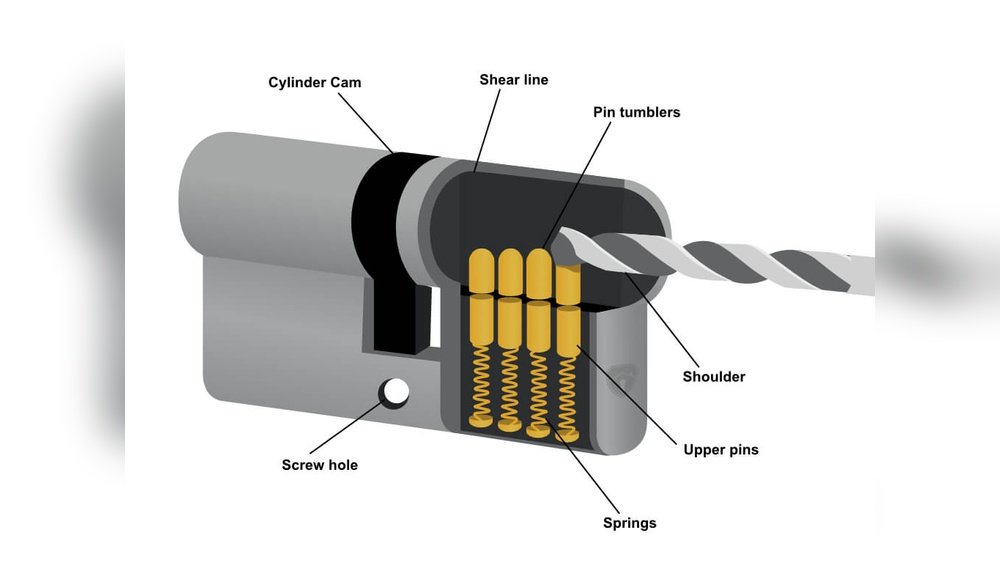
Begin by drilling a small pilot hole. This hole guides the larger drill bits. Use a drill bit about 1/8 inch in size. Hold the drill steady and drill straight into the lock cylinder. The pilot hole helps keep the drill bit from slipping.
Increase Drill Bit Size
After the pilot hole, switch to a larger drill bit. Increase the size gradually. Use bits that fit the lock’s pin size. Drill slowly to avoid overheating the lock. Larger bits remove more metal and weaken the lock faster.
Maintain Steady Pressure
Apply steady and even pressure on the drill. Too much force can break the drill bit. Too little pressure slows the process. Keep the drill straight and avoid tilting. Take breaks if the drill or lock gets hot.

Credit: www.youtube.com
Remove The Cylinder
Removing the cylinder is a key step in drilling out a cylinder lock. It gives better access and control during the process. This step requires care to avoid damage to other parts of the lock or door.
Extracting The Lock Core
Start by locating the screws that hold the cylinder in place. These are usually on the faceplate or inside the door edge. Use a screwdriver to remove these screws carefully.
Once screws are out, gently pull the cylinder out of the lock body. Sometimes, you may need to wiggle the cylinder slightly to free it. Keep steady pressure to avoid bending or breaking the cylinder.
Keep the cylinder on a flat surface to inspect it before drilling. This helps you see where to drill and what tools to use.
Handling Stubborn Cylinders
Some cylinders stick due to rust or tight fittings. Spray a small amount of lubricant around the cylinder edges. Let it sit for a few minutes to loosen any rust or dirt.
Try pulling the cylinder again with steady pressure. Use pliers for a better grip if your hands slip. Avoid forcing it too hard to prevent damage.
If it still won’t come out, check for hidden screws or clips. These might hold the cylinder more firmly. Removing these will make extraction easier.
Post-drilling Steps
After drilling out a cylinder lock, taking the right steps is important. These steps help keep the area safe and ready for a new lock. Proper care makes sure the door works well again.
Clean Up
Start by removing metal shavings and dust from the drilled area. Use a small brush or vacuum to clear all debris. Wipe the surface with a damp cloth to remove fine particles. Cleaning prevents dirt from causing problems later. It also helps the new lock fit properly.
Replace The Lock
Choose a lock that fits the door and your security needs. Insert the new lock carefully into the drilled hole. Make sure it sits flush and locks smoothly. Tighten screws evenly to avoid damaging the lock. Test the new lock several times before finishing. This ensures everything works without sticking or jamming.

Credit: www.wikihow.com
Safety Tips
Drilling out a cylinder lock is a task that requires care and attention. Safety is very important to avoid injuries and damage. Follow these tips to work safely and protect yourself.
Protective Measures
Always wear safety goggles to protect your eyes from flying metal shards. Use gloves to keep your hands safe from sharp edges and heat. Wear ear protection to reduce noise from the drill. Keep your clothes tight to avoid getting caught in the drill. Work in a well-lit area so you can see clearly. Clear the workspace of any obstacles or loose items.
Avoiding Damage
Use the right drill bit size to prevent breaking the tool. Drill slowly and steadily to avoid overheating the lock or drill bit. Secure the lock or door to stop movement while drilling. Avoid drilling too deep to protect the lock mechanism behind. Check the drill bit regularly for wear or damage. Stop if you feel unusual resistance to avoid breaking the drill bit or lock.
Frequently Asked Questions
What Tools Are Needed To Drill Out A Cylinder Lock?
You need a power drill, drill bits, center punch, and safety goggles. Quality tools ensure precision and safety during the process.
How Do You Safely Drill Out A Cylinder Lock?
Wear safety goggles and gloves. Mark the drill spot, use steady pressure, and drill slowly to avoid damage.
Can Drilling Out A Cylinder Lock Damage The Door?
Yes, improper drilling can damage the door or lock mechanism. Use correct tools and techniques to minimize damage.
Is Drilling Out A Cylinder Lock Legal?
Drilling locks on your property is legal. Drilling locks without permission is illegal and punishable by law.
Conclusion
Drilling out a cylinder lock takes care and the right tools. Stay safe and wear eye protection. Take your time and drill straight into the center. Avoid rushing to prevent damage to the door. After drilling, remove the lock and replace it quickly.
Practice makes this task easier over time. Keep these tips handy for any lock issues. You can handle this job with patience and care.
