


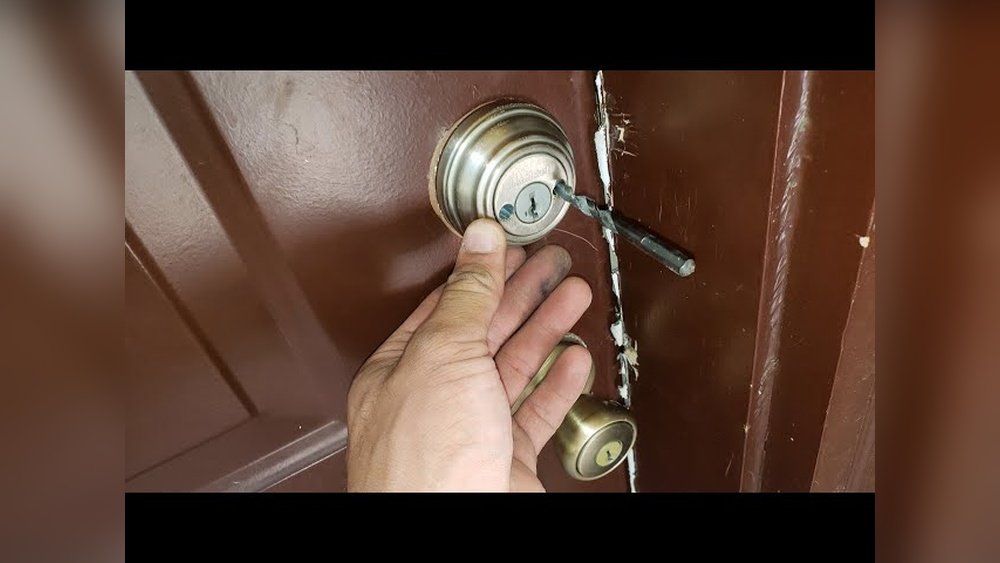
Have you ever faced the frustration of a deadlock that just won’t budge? When your key won’t turn and you’re stuck outside or unable to secure your space, it’s easy to feel helpless.
But don’t worry—drilling out a deadlock is a skill you can learn, even if you’re not a professional locksmith. In this guide, you’ll discover simple, step-by-step instructions to get that stubborn lock open safely and quickly. Keep reading, and you’ll gain the confidence to handle this problem yourself without calling for expensive help.
Credit: www.in-car-advancements.co.uk
Tools Needed
Drilling out a deadlock needs the right tools. The correct equipment makes the job easier and safer. Prepare all tools before starting to avoid delays.
Essential Drill Types
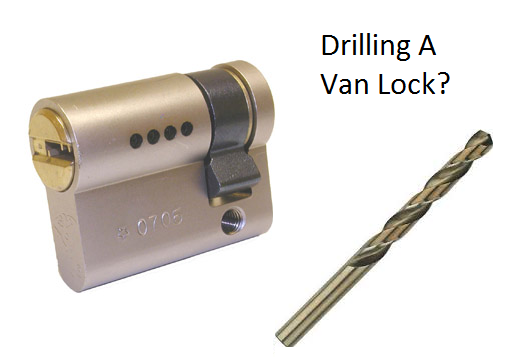
A power drill is the main tool for this job. Cordless drills offer flexibility and easy handling. A hammer drill works well for tougher locks. Choose drill bits suitable for metal, such as high-speed steel bits. Use small bits first, then larger ones to avoid damage.
Safety Gear
Wear safety glasses to protect your eyes from metal shavings. Use gloves to avoid cuts and improve grip. Ear protection helps if using loud drills. A dust mask stops inhaling fine particles from drilling.
Additional Accessories
A center punch helps mark the drill spot accurately. Clamps keep the door or lock steady during drilling. A lubricant, like WD-40, eases drilling through metal. Have a small brush or cloth to clean debris after drilling.
Preparing The Lock
Start by removing the lock’s cover to see the inner parts clearly. Secure the door and gather the right drill bits before beginning. Check that the lock is steady to avoid slipping during drilling.
Assessing The Deadlock
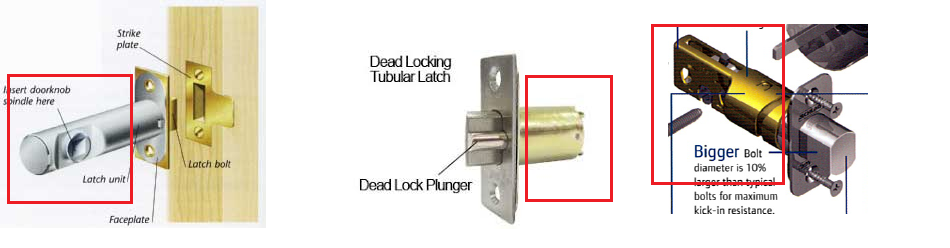
Start by examining the deadlock carefully. Look for the lock type and its condition. Note any visible screws or parts. Check if the lock is rusty or damaged. Understanding the lock helps decide the drilling approach. This step ensures you avoid damaging the door.
Marking Drill Points
Identify the exact points to drill on the lock. Use a pencil or marker to mark these spots clearly. Focus on the cylinder and the bolt area. Accurate markings guide the drill bit and prevent mistakes. Precise drilling saves time and protects the door frame.
Drilling Techniques
Drilling out a deadlock requires precise techniques to avoid damage and ensure success. Proper drilling methods make the task easier and safer. This section explains key drilling techniques to follow for the best results.
Starting The Drill
Position the drill bit carefully at the lock center. Hold the drill steady before turning it on. Begin drilling slowly to create a small pilot hole. This helps prevent the bit from slipping off the lock surface.
Maintaining Control
Keep a firm grip on the drill throughout the process. Use both hands if possible for better balance. Avoid forcing the drill. Let the drill bit do the work at its own pace.
Drill Speed And Pressure
Use a moderate drill speed to avoid overheating the bit. Apply steady, gentle pressure to the drill. Too much force can break the drill bit or damage the lock. Slow and steady drilling improves accuracy and safety.
Removing The Lock Cylinder
Start by removing the lock cylinder carefully to access the deadlock’s core. Use a drill to break the cylinder, allowing it to be pulled out easily. Take your time to avoid damaging the door or surrounding parts.
Identifying The Cylinder
Start by examining the lock on the door. The cylinder is the round part where you insert the key. It usually sticks out slightly from the lock body. Look closely for small screws or clips holding it in place. These fasteners keep the cylinder attached to the lock. Knowing the exact location helps when removing it.
Extracting The Lock
Use the right tools before drilling out the cylinder. A screwdriver often works to remove screws or clips. Once fasteners are out, gently pull the cylinder away from the door. If stuck, tapping lightly with a hammer can help loosen it. Removing the cylinder clears the way to access the inner lock parts.
Dealing With Stubborn Locks
Dealing with stubborn locks can be frustrating when drilling out a deadlock. Sometimes the lock resists, and extra care is needed. Patience and the right tools help to work through tough situations. Understanding how to ease the lock’s movement can save time and effort.
Using Lubricants
Lubricants reduce friction inside the lock. Spray a small amount into the keyhole. Let it sit for a few minutes. This softens hardened parts and makes drilling easier. Avoid using too much lubricant to prevent mess. WD-40 or graphite powder works well for locks. Repeat the process if the lock still feels stuck. Lubricants help the drill bit cut through more smoothly.
Alternative Methods
If drilling does not work, try other ways. Use a lock pick set to unlock gently. A bump key may also open the lock without damage. Sometimes tapping the lock lightly with a hammer helps loosen it. Heat can expand metal parts, easing removal. Be cautious with heat to avoid damage. Trying these alternatives can save the lock or door from harm.

Credit: www.youtube.com
Post-drilling Steps
After drilling out a deadlock, there are important steps to follow. These steps help prepare the door for a new lock. They also ensure safety and proper function. Taking time to clean and replace the lock makes a big difference.
Cleaning The Area
Remove all metal shavings and dust from the drilled hole. Use a small brush or cloth to wipe the area clean. Clear debris prevents damage to the new lock. Check inside the lock cavity for leftover pieces. Clean the door surface around the lock as well. This helps the new lock fit tightly and work well.
Replacing The Lock
Choose a new lock that matches the old one’s size and type. Insert the new lock carefully into the cleaned hole. Align the lock properly with the door and frame. Secure the lock with screws provided. Test the lock to make sure it turns smoothly. Adjust if the lock feels tight or loose. Replace any worn parts on the door if needed. A well-fitted lock improves security and door function.
Safety Tips
Drilling out a deadlock needs care and attention to safety. Without proper steps, you risk injury or damage. Follow these tips to keep safe and protect your property.
Protecting Yourself
Wear safety goggles to protect your eyes from metal shavings. Use gloves to avoid cuts and blisters. Keep your hands away from the drill bit. Work in a well-lit area to see clearly. Stand steady to maintain control of the drill. Take breaks to avoid tiredness and loss of focus.
Avoiding Property Damage
Use the right drill bit size for the lock type. Start drilling slowly to prevent slipping. Place tape around the lock to catch metal debris. Cover nearby surfaces to protect from scratches. Avoid drilling too deep to not harm the door frame. Check your progress often to stop at the right time.
Credit: diy.stackexchange.com
Frequently Asked Questions
How Do You Safely Drill Out A Deadlock?
To safely drill out a deadlock, use a power drill with a metal drill bit. Drill slowly at the lock cylinder, applying steady pressure. Wear safety goggles to protect your eyes from metal shavings. Stop once the lock mechanism is fully drilled to avoid damage.
What Tools Are Needed To Drill Out A Deadlock?
You need a power drill, metal drill bits, center punch, and safety goggles. A screwdriver may help remove lock parts after drilling. Using the correct drill bit size ensures effective drilling without damaging the door.
Can Drilling Out A Deadlock Damage My Door?
Drilling a deadlock can damage the door if done improperly. Use the right drill bit size and apply steady pressure. Avoid drilling too deep to prevent harming the door frame or surrounding hardware. Proper technique minimizes damage risks.
How Long Does It Take To Drill Out A Deadlock?
Drilling out a deadlock typically takes 10 to 20 minutes. Time varies based on lock type and drill power. Being patient and careful ensures a clean, damage-free removal process.
Conclusion
Drilling out a deadlock can solve a stuck or broken lock fast. Always use the right tools and take safety steps first. Work slowly to avoid damage to your door or frame. This method helps when keys don’t work anymore.
Remember, practicing on old locks can build your confidence. With care and patience, you can handle deadlock problems yourself. Keep these tips in mind for smooth, safe drilling every time.
