


Have you ever faced a stubborn mortise lock that just won’t budge? Whether it’s jammed, broken, or you’ve lost the key, knowing how to drill out a mortise lock can save you time, money, and frustration.
In this guide, you’ll discover simple, step-by-step instructions that anyone can follow—even if you’re not a pro. Keep reading, and you’ll gain the confidence to handle this tricky task quickly and safely. Your locked door won’t stand a chance!

Credit: www.youtube.com
Tools Needed
Drilling out a mortise lock requires the right tools for safety and accuracy. Using proper equipment makes the task easier and prevents damage to the door. Gather all necessary tools before starting to avoid interruptions.
Drill Types
A corded drill offers consistent power and control. Cordless drills provide more mobility but may have less power. Choose a drill with variable speed settings for better precision during drilling.
Drill Bits
Use high-speed steel (HSS) bits for metal locks. A set of different sizes helps to remove lock parts step by step. A hole saw bit may be needed to drill larger holes in the door.
Safety Gear
Wear safety goggles to protect your eyes from metal shavings. Gloves protect your hands from sharp edges and heat. Use ear protection to reduce noise from the drill.
Additional Tools
A center punch helps mark the exact drilling spot for accuracy. A hammer assists in using the center punch and removing lock parts. A flathead screwdriver helps pry out pieces after drilling.

Credit: www.homedepot.com
Preparing The Lock
Preparing the lock is the first step to drill out a mortise lock safely. It ensures you can work without damage. This part helps you see what you need to do clearly. Proper preparation saves time and effort later.
Removing Door Handles
Start by taking off the door handles. Look for screws on the handle plates. Use a screwdriver to remove them carefully. Pull the handles out gently after the screws are gone. This step exposes the lock mechanism inside the door.
Exposing The Mortise
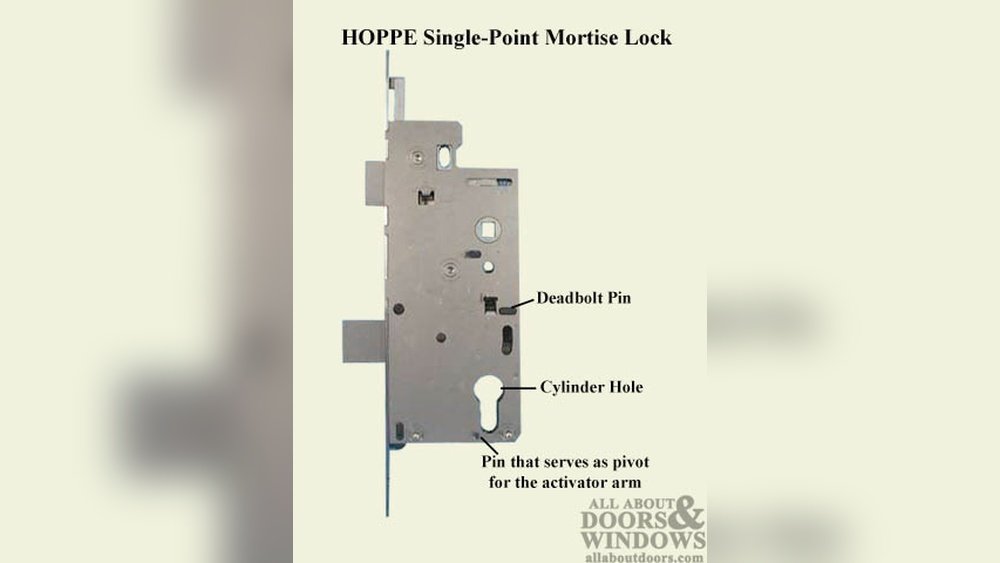
Next, remove the faceplate covering the mortise lock. The faceplate is the metal strip on the door edge. Use a screwdriver to unscrew it. Pull the faceplate away to see the lock body. This gives you access to the parts you will drill.
Marking Drill Points
Mark the exact spots to drill on the lock. Use a pencil or marker for clear points. Focus on weak areas of the lock cylinder. Accurate marks guide your drill for a smooth process. This step helps avoid mistakes during drilling.
Drilling Process
The drilling process is a key step in removing a mortise lock. It requires care and the right tools. Safety is important. Use eye protection and work slowly to avoid damage.
This process breaks the lock’s internal parts so you can take it out. Follow each step closely. It ensures a smooth and clean job.
Starting The Drill
Choose a drill bit that fits the lock body. A 1/8-inch bit works well for most locks. Mark the drilling spot clearly on the lock face. Hold the drill steady and start at low speed. Begin drilling straight into the lock cylinder. Keep the drill level to avoid slipping. Do not press too hard; let the drill do the work.
Drilling Through The Lock Body
Increase the drill speed after the first few millimeters. Drill deeper into the lock body carefully. Your goal is to destroy the internal pins or levers. Drill in short bursts. This prevents the drill bit from overheating. Stop often to check progress. Keep the drill steady and avoid wobbling.
Clearing Debris
Remove the drill from the lock and clear metal shavings. Use a small brush or compressed air to clean the hole. Debris can block the drill and cause damage. Cleaning helps the drill work better. After clearing, continue drilling if needed. Repeat this process until the lock is free to remove.
Removing The Lock
Removing the mortise lock is the key step after drilling. This process requires care to avoid damage to the door or lock parts. Follow a clear method to take out the lock smoothly. Patience helps to keep everything intact for reuse or replacement.
Extracting Lock Components
Start by loosening any screws holding the lock in place. Use a screwdriver that fits well to avoid slipping. Gently pull out the lock body from the door cavity. If the lock is loose, it should slide out easily. Remove the latch and deadbolt pieces carefully. Keep all parts organized for easier assembly later.
Handling Stuck Parts
Sometimes parts get stuck inside the door. Use a small hammer and punch to tap parts free gently. Avoid using too much force to prevent damage. Apply a lubricant like WD-40 to loosen rusted or tight components. Let the lubricant sit for a few minutes. Try to wiggle the parts back and forth to ease removal. Patience here saves time and effort.
Aftercare And Installation
After drilling out a mortise lock, proper care is key. This step ensures the door stays secure and functions well. Follow simple steps to clean, install, and test the new lock. These actions help the lock last longer and work smoothly.
Cleaning The Mortise
Remove all dust and metal shavings inside the mortise. Use a small brush or vacuum cleaner. Clear debris prevents problems during installation. Wipe the area with a damp cloth to remove fine dust. Let it dry completely before moving on.
Installing A New Lock
Choose a lock that fits the mortise size. Insert the lock carefully into the cavity. Align the lock faceplate with the door edge. Secure it with screws, tightening them evenly. Avoid over-tightening to prevent damage to the door.
Testing The Lock Function
Check the lock by turning the key or thumb turn. Ensure the latch moves smoothly without sticking. Open and close the door several times. Confirm the lock holds the door firmly shut. Adjust if the lock does not work properly.
Safety Tips
Drilling out a mortise lock requires care and attention to safety. Small mistakes can cause injuries or damage. Follow these safety tips to protect yourself and your door.
Protecting Your Eyes And Hands
Wear safety glasses to protect your eyes from flying debris. Dust and metal shards can cause serious eye injuries. Use gloves to protect your hands from sharp edges and hot drill bits. Keep your hands away from the drill bit while working.
Avoiding Door Damage
Mark the drill points clearly before you start. Use painter’s tape to prevent splintering around the hole. Drill slowly and steadily to avoid cracking the wood. Support the door firmly to stop it from moving during drilling.
Working With Power Tools
Check your drill and bits before use to ensure they are in good condition. Use the correct drill bit size for the lock. Keep a firm grip on the drill to avoid slipping. Unplug the drill when changing bits or not in use.

Credit: www.youtube.com
Frequently Asked Questions
How Do You Safely Drill Out A Mortise Lock?
To safely drill out a mortise lock, use a drill with a metal bit. Start at the keyhole and drill slowly. Wear safety goggles and avoid excessive force to prevent damage to the door.
What Tools Are Needed To Drill Out A Mortise Lock?
You need a power drill, metal drill bits, a screwdriver, and safety goggles. A center punch can help mark drilling spots. These tools ensure precision and safety during the process.
Can Drilling Out A Mortise Lock Damage The Door?
Yes, improper drilling can damage the door frame or finish. Use correct drill bits and steady pressure. Take care to avoid splintering wood or bending metal components.
How Long Does It Take To Drill Out A Mortise Lock?
Drilling out a mortise lock usually takes 10 to 20 minutes. The time depends on your experience and the lock’s complexity. Proper preparation speeds up the process.
Conclusion
Drilling out a mortise lock takes care and patience. Use the right tools and follow safety steps. Take your time and work slowly to avoid damage. Practice on an old lock if possible. This method helps remove stubborn or broken locks quickly.
Always keep safety gear on to protect yourself. With these tips, you can handle the task yourself. Remember, careful work leads to better results every time.
