


Are you ready to make your woodworking projects stronger and more precise? Knowing how to drill screw holes into wood the right way can save you time, prevent wood from splitting, and make your work look professional.
Whether you’re building a simple shelf or fixing furniture, mastering this skill will boost your confidence and results. Keep reading, and you’ll discover easy steps and tips that anyone can follow to get perfect screw holes every time. Your projects deserve the best – let’s get started!
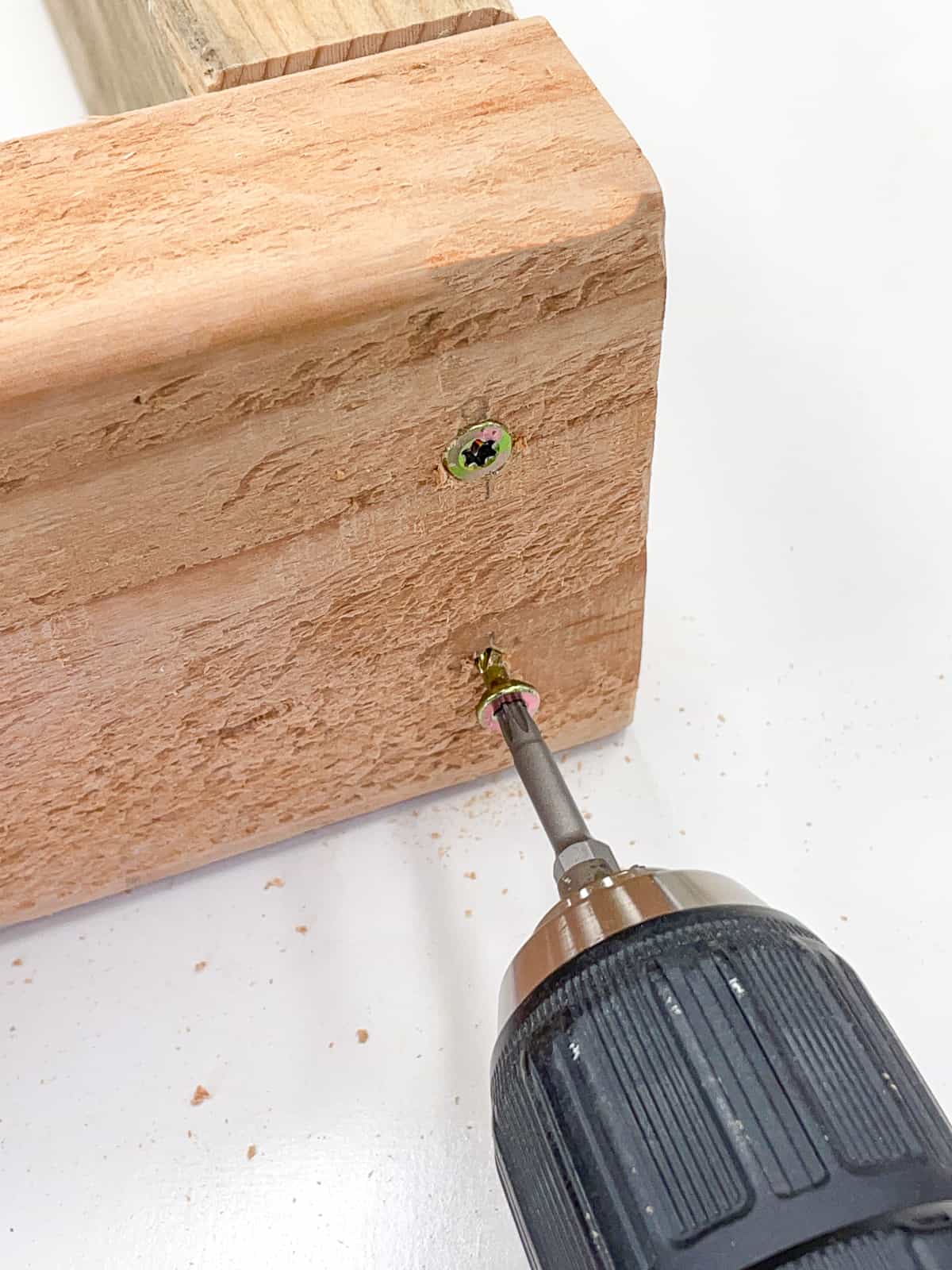
Credit: www.thehandymansdaughter.com
Choosing The Right Drill And Bit
Choosing the right drill and bit is key to making clean screw holes in wood. The right tools make your work easier and protect the wood from damage. Knowing which drill and bit to pick helps you get precise holes every time.
Types Of Drills For Wood
Cordless drills are popular for wood projects. They give freedom to move around without a cord. Corded drills offer constant power for tougher jobs. Drill drivers combine drilling and screw driving in one tool. Choose a drill that feels comfortable and fits your project size.
Selecting The Correct Drill Bit Size
Pick a bit slightly smaller than the screw’s diameter. This allows the screw to grip the wood firmly. Too big a hole makes the screw loose. Too small can split the wood or break the screw. Always check the screw package for recommended drill bit size.
Material-specific Bits
Wood drill bits have sharp points for easy starting. Brad point bits are great for clean, precise holes. Twist bits work well for general wood drilling. Avoid bits made for metal or masonry as they can damage wood. Using the right bit keeps your holes neat and smooth.

Credit: www.youtube.com
Preparing The Wood Surface
Preparing the wood surface is a key step before drilling screw holes. It helps ensure accuracy and avoids damage. Taking time to prepare makes the project easier and the results better. Follow these simple steps to get the wood ready.
Marking Screw Hole Locations
Start by marking where the screws will go. Use a pencil to make small marks on the wood. Measure carefully to keep holes even and straight. Clear marks help you drill in the right spots without mistakes.
Clamping And Stabilizing The Wood
Secure the wood with clamps before drilling. Clamps hold the wood steady and stop it from moving. A steady surface keeps holes clean and precise. Work on a flat table for best support.
Preventing Wood Splitting
Wood can split when screws go in. Drill a small pilot hole first to avoid this. Use a drill bit smaller than the screw’s width. This step makes the wood safer and the screw fit better.
Drilling Techniques
Drilling screw holes into wood is simple with the right techniques. Proper drilling makes your work neat and strong. Learn how to control drill speed, use pilot holes, and countersink screws.
These tips help prevent wood from splitting and screws from sitting unevenly. Follow each step for better results in your woodworking projects.
Drill Speed And Pressure
Use a moderate drill speed for most wood types. Too fast can burn the wood or break the bit. Too slow can cause rough holes and slow work.
Apply steady pressure on the drill. Press gently but firmly to avoid slipping. Let the drill bit do the cutting, not your strength.
Using Pilot Holes
Pilot holes guide screws and stop wood from splitting. Drill a small hole before driving the screw. Choose a bit slightly smaller than the screw’s shaft.
This makes screwing easier and keeps the wood intact. Pilot holes are vital for hardwood and thin wood pieces.
Countersinking For Flush Screws
Countersinking creates a small cone-shaped hole for screw heads. It lets screws sit flush with or below the wood surface. This gives a smooth, clean finish.
Use a countersink bit or a larger drill bit to make this hole. It prevents wood from cracking and hides screws neatly.
Avoiding Common Mistakes
Drilling screw holes in wood might seem easy. Yet, small mistakes can cause big problems. Avoiding these common errors saves time and effort. It also keeps your project looking neat and professional. Focus on precision and care to get the best results.
Misaligned Holes
Misaligned holes ruin the appearance and strength of your project. Mark the spots clearly before drilling. Use a ruler or square to keep holes straight. Start drilling slowly to keep the bit in place. A misaligned hole can make screws loose or wood crack.
Overdrilling And Splintering
Drilling too deep weakens the wood and wastes effort. Use a drill stop or tape on the bit to control depth. Drill at a steady speed to avoid splintering the wood surface. Slow down as the bit nears the end. Splintering leaves rough edges and damages your work.
Using Dull Drill Bits
Dull bits make drilling hard and cause rough holes. Replace or sharpen bits regularly for smooth cuts. Sharp bits reduce wood tear-out and save your drill’s power. A clean hole fits screws tightly and holds better. Don’t risk poor results with a worn-out bit.
Finishing Touches
Finishing touches bring your woodworking project to life. They make drilled holes neat and ready for screws. Proper finishing improves the wood’s look and strength. It also helps screws fit perfectly without damage. Follow these steps to finish drilled holes like a pro.
Cleaning Drill Holes
Remove dust and wood chips from holes. Use a small brush or compressed air. Clean holes allow screws to go in smoothly. Avoid leaving debris that can cause splitting. Check holes carefully before moving to the next step.
Sealing And Protecting Wood
Apply wood sealer or varnish around holes. This stops moisture from damaging the wood. Use a brush to spread the sealer evenly. Let it dry completely before inserting screws. Sealing protects wood and keeps your project strong.
Tips For Screw Insertion
Choose the right screw size for your hole. Start screws slowly to avoid cracking wood. Use a screwdriver or drill with low speed. Tighten screws until snug, not too tight. Too much pressure can strip holes or break wood.
:max_bytes(150000):strip_icc()/pg2032-0bc2b41beaa441f7a2c980ce47c9e0b5.jpg)
Credit: www.woodmagazine.com
Frequently Asked Questions
How Do I Drill Pilot Holes For Screws In Wood?
Drill pilot holes slightly smaller than the screw diameter to prevent wood splitting. Use a drill bit matching the screw’s core size for best results.
What Drill Bit Size Is Best For Wood Screws?
Choose a drill bit that matches the screw’s inner core diameter. This ensures a snug fit and prevents the wood from cracking.
Can I Drill Screw Holes Without A Pilot Hole?
Drilling without pilot holes can split the wood, especially near edges. Always use pilot holes for hardwood or close to edges to avoid damage.
How Deep Should Screw Holes Be Drilled In Wood?
Drill pilot holes slightly deeper than the screw length. This allows the screw to fit fully without stressing the wood fibers.
Conclusion
Drilling screw holes into wood is simple with the right steps. Use the correct drill bit size for best results. Always mark the spot before drilling to stay accurate. Drill slowly to avoid splitting the wood. Clean the hole before inserting the screw.
Practice these tips to make your woodworking easier. Small efforts lead to strong, lasting wood joints. Keep tools sharp and handle them safely every time. Now, you are ready to drill with confidence and care.
