


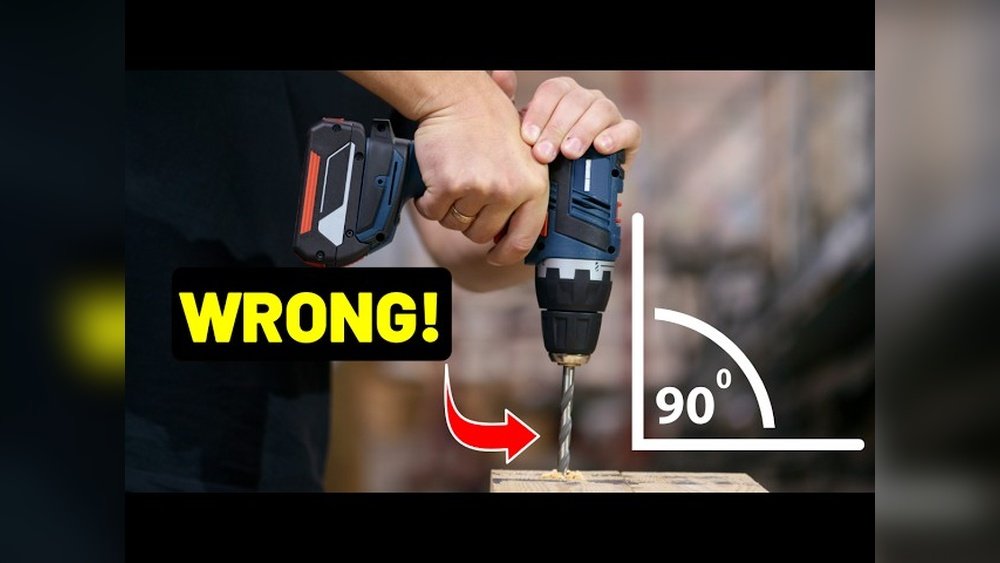
Have you ever struggled with screws that go in crooked, making your project look messy and feeling unstable? Drilling screws straight might seem tricky, but with the right tips, you can master it quickly.
Imagine how much easier your work will be when every screw fits perfectly, saving you time and frustration. You’ll discover simple, effective techniques to drill screws straight every time. Keep reading, and turn your DIY projects into professional-looking successes.
Tools For Straight Screwing
Getting screws straight is easier with the right tools. Using proper tools helps avoid mistakes and saves time. It also protects your materials from damage. This section covers key tools for straight screwing.
Choosing The Right Drill
Select a drill with adjustable speed. Low speed gives better control. Cordless drills offer freedom and ease of use. A drill with a built-in level helps keep screws straight. Choose one with a comfortable grip for better handling.
Selecting Suitable Screwdrivers
Use screwdrivers that fit screw heads perfectly. This prevents slipping and stripping. Manual screwdrivers offer more control for delicate tasks. Electric screwdrivers work well for many screws quickly. Pick tools with ergonomic handles to reduce hand fatigue.
Using Drill Guides And Jigs
Drill guides keep your drill bit aligned. They help hold the drill steady at the right angle. Jigs are useful for repetitive screw placement. These tools ensure uniform and straight screws every time. They are simple to use and improve accuracy.
Credit: www.mcfeelys.com
Preparing The Work Surface
Preparing the work surface is the first step to drill screws straight. A clean, steady surface helps keep your materials in place. It also makes the drilling process easier and more accurate. Taking time to prepare saves effort later. Here are two key tasks to focus on before you start drilling.
Marking Screw Points Accurately
Mark the exact spots for screws with a pencil or marker. Use a ruler or measuring tape to keep marks even. Accurate marks guide the drill bit straight into the material. Make small dots that are easy to see but not too big. This step prevents slipping and crooked screws.
Clamping Materials Securely
Use clamps to hold materials firmly in place. Clamps stop the wood or metal from moving during drilling. Secure materials on a stable surface like a workbench. Tighten clamps enough to hold but not damage the material. Clamping helps keep screws straight and prevents mistakes.
Techniques For Straight Drilling
Drilling screws straight is key to strong and clean projects. Techniques for straight drilling help avoid crooked screws that can weaken your work. Simple steps keep your drill steady and aligned. Practicing these tips improves accuracy and saves time.
Aligning The Drill Correctly
Hold the drill so it points exactly where the screw should go. Use your eye to check the angle from the side and front. A small level tool can help keep the drill straight. Start drilling slowly to keep the drill steady. Proper alignment stops screws from going in at an angle.
Maintaining Consistent Pressure
Push the drill with even pressure. Too hard can cause the drill to slip or bend. Too soft means the screw may not go in straight. Keep your hand steady and press just enough to keep the drill bit moving smoothly. Consistent pressure helps the screw follow the drill path perfectly.
Controlling Drill Speed
Use a slower speed at the start to guide the screw. Fast speed can cause the drill to wander off course. Once the screw is steady, increase speed to finish driving it. Controlled speed helps avoid mistakes and keeps the screw straight. Adjust speed based on the material you drill into.

Credit: www.tannerbolt.com
Common Mistakes To Avoid
Drilling screws straight takes practice and care. Many beginners make simple mistakes that cause problems. Avoiding these common errors helps your work look neat and last longer. Focus on precision and steady hands to improve your results.
Overdrilling And Stripping Screws
Drilling too deep can ruin the screw’s hold. Overdrilling makes the hole too large. The screw will spin without gripping the material. Stripping screws happens when the drill slips or uses too much force. The screw head becomes damaged and hard to remove. Use moderate pressure and stop once the screw is flush.
Starting At An Angle
Beginning the screw at an angle causes crooked insertion. The screw may not go in straight or hold properly. Always start with the drill perpendicular to the surface. This keeps the screw aligned and stable. A straight start prevents damage to the material and screw.
Ignoring Pilot Holes
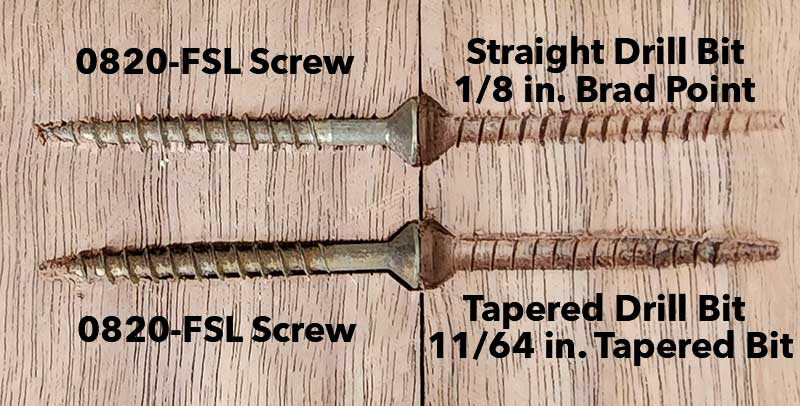
Skipping pilot holes makes screwing harder. Pilot holes guide the screw and reduce splitting. Without them, wood can crack or split. Pilot holes also make screws easier to drive in. Always drill a small hole first, especially in hard or thin material.
Using Pilot Holes Effectively
Using pilot holes effectively helps you drill screws straight and avoid wood splitting. A pilot hole guides the screw into the material. It keeps the screw steady and reduces pressure on the wood. This makes your project stronger and cleaner.
When To Drill Pilot Holes
Drill pilot holes before driving screws into hard or thin wood. Also, use them in softwood to prevent cracking. For large screws, pilot holes reduce the chance of breaking the wood. They are useful when working close to wood edges. Pilot holes save time by preventing mistakes during screwing.
Choosing Drill Bit Sizes
Select a drill bit slightly smaller than the screw’s shaft. The shaft is the solid part without threads. This size lets the screw grip the wood firmly. For hardwood, use a bit closer to the screw size. For softwood, use a smaller bit to keep the grip tight. Match the drill bit to your screw for best results.

Credit: www.youtube.com
Advanced Tips For Precision
Drilling screws straight is not always easy. Small mistakes can cause screws to go in crooked. Advanced tips help improve your accuracy. These tips make your work look neat and strong. Follow these steps to get better results every time.
Employing Depth Stops
Depth stops control how deep the screw goes. They keep screws from going too far. Use a depth stop on your drill bit. This tool helps keep screws at the same depth. It prevents damage to the material. Depth stops create a clean, even finish.
Using Leveling Tools
Leveling tools help you keep screws straight. A small spirit level or angle guide works well. Attach the tool to your drill or work surface. Check the level before and during drilling. This simple step avoids crooked screws. It makes the project look professional.
Practicing Hand Stability
Strong, steady hands improve drilling accuracy. Hold the drill firmly with both hands. Keep your elbows close to your body. This position reduces shaking and slipping. Practice slow, controlled drilling motions. Steady hands help screws go straight every time.
Troubleshooting Common Issues
Drilling screws straight can sometimes be tricky. Small mistakes cause common problems that slow down your work. Knowing how to fix these issues helps keep your project on track.
Below are solutions for two frequent problems: misaligned screws and damaged materials.
Fixing Misaligned Screws
Misaligned screws often happen when the drill is not steady. Hold the drill firmly with both hands. Start drilling slowly to keep the screw straight. Use a pilot hole to guide the screw better. A small hole helps the screw enter the material at the right angle. Check your drill bit size to match the screw. Too big or too small bits cause misalignment. If a screw goes in crooked, remove it and try again carefully.
Dealing With Damaged Materials
Damaged wood or drywall makes screwing hard. Soft or crumbled areas do not hold screws well. Avoid screwing too close to edges to prevent cracks. Use clamps to hold materials steady before drilling. If damage happens, fill holes with wood filler or putty. Let it dry before drilling again. For drywall, use anchors to support screws in weak spots. Always work slowly to avoid more damage.
Frequently Asked Questions
How Do I Keep Screws Straight When Drilling?
To keep screws straight, hold the drill perpendicular to the surface. Use a guide or pilot hole to align the screw. Slow and steady drilling helps maintain control and accuracy.
What Tools Help Drill Screws Straight Easily?
A drill guide or angle guide ensures straight drilling. A pilot hole bit also helps by guiding the screw’s path. Using a level can further improve alignment and accuracy.
Why Are Pilot Holes Important For Straight Screws?
Pilot holes prevent wood from splitting and guide screws straight. They reduce resistance, making it easier to keep the screw aligned. This ensures a cleaner, more precise screw placement.
How Can I Check If My Screw Is Straight?
Visually inspect the screw’s angle against the surface. Use a level or square to confirm alignment. Adjust the drill if the screw appears tilted during insertion.
Conclusion
Drilling screws straight takes practice and patience. Use a guide or mark the spot first. Hold the drill steady and keep it aligned. Start slowly to maintain control and avoid slipping. Check your work often to ensure accuracy. Straight screws hold materials firmly and look neat.
With these simple tips, you can improve your drilling skills. Keep practicing, and soon it will feel easy and natural.
