


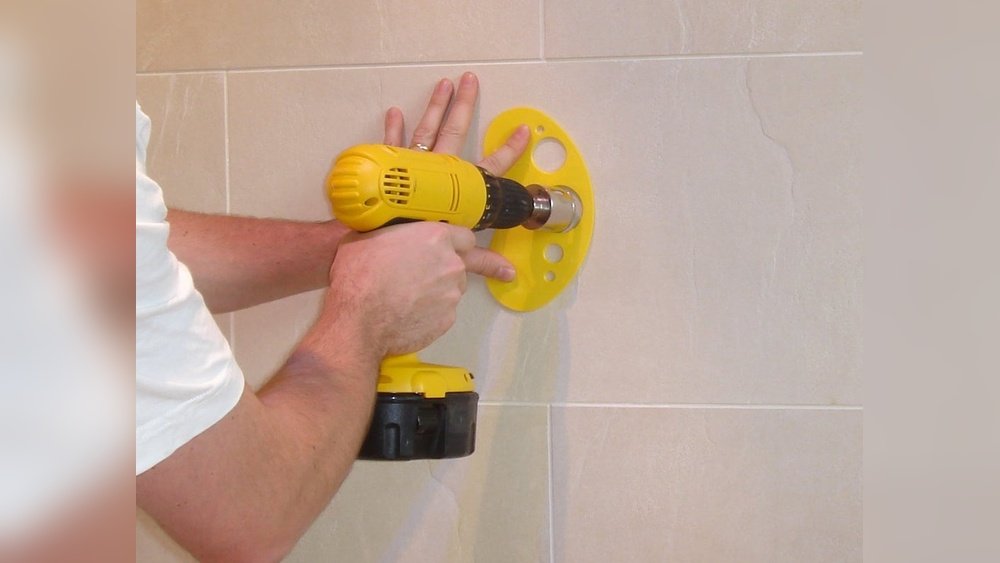
Drilling small holes in porcelain tile can feel tricky. You might worry about cracking the tile or making a messy mistake.
But what if you could do it cleanly and confidently, without stress? In this guide, you’ll discover simple steps and expert tips that make the job easier than you think. Whether you’re hanging a picture, installing fixtures, or adding decorative touches, mastering this skill will save you time and frustration.
Keep reading to learn exactly how to drill small holes in your porcelain tile like a pro.

Credit: www.youtube.com
Choosing The Right Tools
Choosing the right tools is the first step to drill small holes in porcelain tile safely and accurately. Porcelain is very hard and brittle, so using the wrong tools can cause cracks or damage. Proper tools help you work faster and get clean holes without breaking the tile.
Types Of Drill Bits For Porcelain
Diamond-tipped drill bits are the best choice for porcelain tiles. They cut through hard surfaces smoothly. Carbide-tipped bits can work but wear out faster. Avoid regular steel bits because they are too soft and can damage the tile.
Use small drill bits designed for glass or ceramic tiles. These bits have a special tip shape that reduces slipping. A water source nearby helps cool the bit and reduce dust. Cool drilling also prevents the tile from overheating and cracking.
Recommended Drill Machines
A variable-speed drill offers better control over drilling speed. Slow speeds prevent overheating and tile damage. Cordless drills are handy but may lack power for tough porcelain. A corded drill with adjustable speed is often more reliable.
Drills with a side handle give better grip and stability. This control reduces the risk of slipping and breaking the tile. Avoid hammer drills for porcelain tiles; the impact can cause cracks.
Preparing The Tile Surface
Preparing the tile surface is the first step to drill small holes in porcelain tile safely. This step helps avoid cracks and keeps the drill steady. A smooth, marked surface guides the drill for a clean hole. Proper preparation improves accuracy and protects the tile.
Marking Drill Points Accurately
Start by cleaning the tile surface. Use a soft cloth to remove dust and grease. Next, use a pencil or a fine-tip marker to mark the drilling points. Make sure the marks are clear and precise. Use a ruler or measuring tape to place holes exactly where needed. Accurate marks reduce mistakes during drilling.
Using Tape To Prevent Slipping
Place a piece of masking or painter’s tape over the marked spot. The tape creates extra grip for the drill bit. It also stops the bit from sliding on the smooth tile surface. Press the tape firmly to avoid air bubbles. This simple trick helps drill the hole cleanly without damaging the tile.
Drilling Techniques
Drilling small holes in porcelain tile requires careful techniques. Porcelain is hard and can crack easily. Using the right methods helps make clean holes without damage. Follow these steps for better results.
Starting With A Pilot Hole
Begin by drilling a small pilot hole. This hole guides the larger drill bit. It helps prevent slipping and cracking. Use a carbide-tipped or diamond drill bit. Drill slowly and gently to avoid breaking the tile surface.
Maintaining Proper Speed And Pressure
Keep the drill speed low to medium. High speed can cause overheating and cracks. Apply light, steady pressure. Pressing too hard may damage the tile. Let the drill bit do the work. Pause often to check progress and avoid mistakes.
Cooling The Drill Bit
Heat builds up quickly when drilling porcelain. Cool the drill bit with water or a damp cloth. This prevents overheating and extends bit life. Spray water regularly or dip the bit in water. Keep the tile surface wet during drilling for best results.

Credit: simpleweld.com
Safety Tips
Drilling small holes in porcelain tile requires care and attention to safety. The tile is hard and can break or chip easily. Taking safety steps helps protect your body and your workspace. It also keeps your drilling accurate and clean.
Protective Gear To Wear
Wear safety goggles to protect your eyes from flying chips. Use a dust mask to avoid breathing in fine dust. Gloves help protect your hands from sharp edges and heat. Wear long sleeves to protect your arms. Use ear protection if your drill is loud. Always choose comfortable gear that fits well.
Handling Dust And Debris
Porcelain tile dust is fine and spreads easily. Cover nearby surfaces with a plastic sheet or cloth. Use a vacuum or damp cloth to clean dust often. Avoid blowing dust into the air. Work in a well-ventilated area to reduce dust buildup. Proper cleanup prevents slips and keeps your work safe.
Troubleshooting Common Issues
Drilling small holes in porcelain tile can be tricky. Common problems often slow down the process or cause damage. Knowing how to fix these issues helps you work faster and safer. This section covers common problems and easy ways to solve them.
Avoiding Tile Cracks
Porcelain tiles crack easily under pressure. Use a low drill speed to reduce stress on the tile. Start with a small pilot hole before using a larger bit. Place masking tape over the drilling spot to stop the drill bit from slipping. Hold the drill steady and avoid pushing too hard. Let the drill do the work. Cooling the drill bit with water helps prevent cracks.
Dealing With Bit Slippage
Bit slippage wastes time and can scratch tiles. Masking tape creates grip and stops the bit from sliding. Mark the drilling spot clearly. Use a carbide or diamond-tipped drill bit designed for porcelain. Begin drilling at an angle, then straighten once the bit grips. Keep the drill steady and avoid sudden moves. Patience helps keep the bit in place and the hole clean.
Finishing Touches
After drilling small holes in porcelain tile, the job is not yet done. The finishing touches matter a lot. They help keep your tile strong and looking great. Proper care prevents cracks and dirt buildup around the holes.
Cleaning Drilled Holes
Start by removing dust and debris from the holes. Use a soft brush or a vacuum cleaner. Clean holes allow better adhesion for any sealant. Avoid using water to clean at this stage. Water can weaken the tile edges before sealing.
Sealing The Edges
Apply a clear silicone or tile sealant around the hole edges. This step protects against water damage and cracks. Use a small brush or a toothpick for precise application. Let the sealant dry fully before using the tile area. Sealing keeps the tile strong and extends its life.

Credit: www.youtube.com
Frequently Asked Questions
What Drill Bit Is Best For Porcelain Tile?
Use a diamond-tipped or carbide-tipped drill bit for porcelain tile. These bits are strong enough to penetrate without cracking.
How Do I Prevent Tile From Cracking?
Start drilling slowly with light pressure. Use masking tape on the hole area to reduce slipping and stress on the tile.
Can I Drill Small Holes Without A Hammer Drill?
Yes, a regular drill with a diamond bit works fine for small holes. Just drill slowly and steadily for best results.
Should I Wet The Tile While Drilling?
Yes, wetting the tile cools the drill bit and reduces dust. Use water continuously to prevent overheating and cracking.
Conclusion
Drilling small holes in porcelain tile takes care and the right tools. Use a diamond drill bit and keep the drill slow. Wet the tile to stop it from cracking. Take your time and don’t press too hard. With patience, you can get clean, precise holes.
This skill helps with many home projects. Practice a bit to feel more confident. Soon, you’ll handle porcelain tiles like a pro.
