


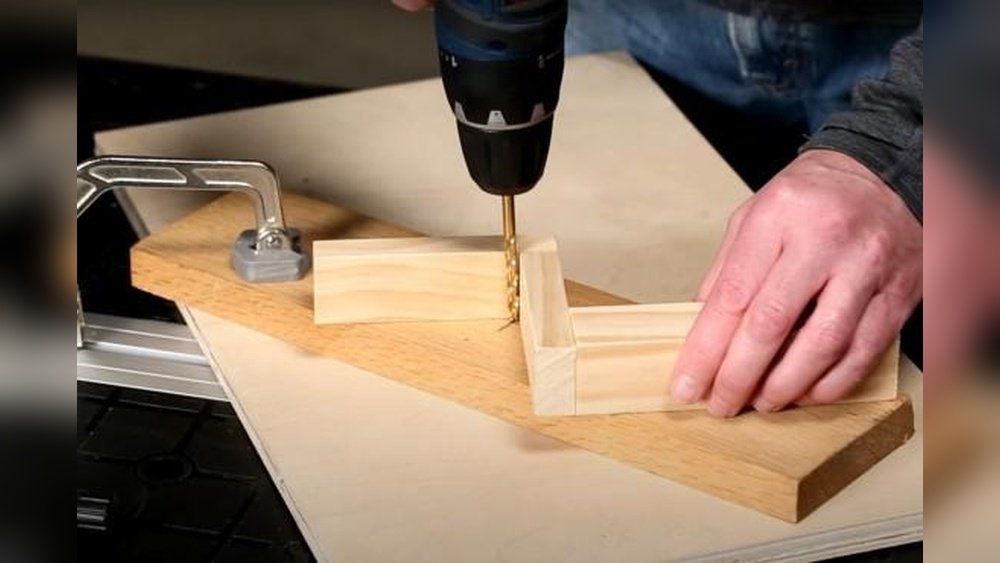
Are you tired of drilling holes that come out crooked or uneven? You’re not alone.
Drilling straight holes with a hand drill can be tricky, but it’s a skill you can master. Imagine finishing your project with perfect holes every time—no frustration, no wasted materials. In this guide, you’ll discover simple techniques and tips that will help you drill straight holes with confidence and precision.
Keep reading, and you’ll never struggle with angled holes again.
Choosing The Right Drill And Bit
Choosing the right drill and bit is key to drilling straight holes with a hand drill. Using the proper tools helps keep the hole steady and accurate. It also makes the work easier and safer. This section explains how to select the best hand drill and drill bit for your project.
Selecting A Suitable Hand Drill
Pick a hand drill that feels comfortable in your hand. A lightweight drill is easier to control. Look for one with a steady grip to reduce slipping. A drill with adjustable speed settings lets you work slower for better accuracy. Cordless drills offer good mobility but check the battery life. A drill with a side handle gives extra control and stability.
Picking The Correct Drill Bit
Choose a drill bit that matches the material you will drill. Wood bits have sharp points to start easily. Metal bits are harder and designed to cut through metal smoothly. Masonry bits have a strong tip for drilling into concrete or stone. Match the bit size to the hole size you want. Avoid bits that are too big or small for your task.
Using Sharp And Quality Bits
Sharp drill bits make cleaner, straighter holes. Dull bits cause the drill to wander off the mark. Invest in quality bits made from strong materials like high-speed steel. Check bits for signs of wear before use. Replace any bit that looks damaged or blunt. Well-maintained bits save time and produce better results.
Preparing The Work Surface
Preparing the work surface is the first step to drill straight holes with a hand drill. A clean, stable surface helps keep the drill steady. It reduces mistakes and makes the process safer. Organizing the workspace before drilling saves time and effort. Follow simple steps to get the surface ready for accurate drilling.
Marking Accurate Drill Points
Mark the exact spot where you want to drill. Use a pencil or a marker with a fine tip. A small indentation with a nail or an awl helps guide the drill bit. Clear marks prevent the drill from slipping. Double-check the measurements before starting to drill.
Securing The Material Firmly
Hold the material tightly in place. Use clamps or a vise to keep it from moving. Moving material causes crooked holes and damage. Make sure the clamps do not block the drilling area. A firm hold makes drilling easier and more precise.
Checking For Obstructions
Look under and around the material for nails, screws, or wires. Obstructions can break the drill bit or cause injury. Remove any objects that block the drill path. Check both sides of the material to avoid surprises. Clear space ensures smooth, straight drilling.
Proper Drilling Techniques
Proper drilling techniques help create straight, clean holes. They reduce mistakes and save time. Following correct steps makes the process easier and safer. Each step matters for a good result.
Positioning The Drill Correctly
Hold the drill so it points straight at the surface. Use both hands to keep it steady. Check the angle from different sides before starting. A wrong angle causes crooked holes. Use a guide or square if needed. Keep your body steady and balanced.
Maintaining Consistent Pressure
Press gently but firmly on the drill. Too much force can bend the bit or break the material. Too little pressure slows down the work. Keep the pressure steady as you drill. Let the drill bit do the cutting. Avoid pushing or twisting too hard.
Starting With A Pilot Hole
Begin with a small pilot hole. It guides the larger drill bit. The pilot hole helps keep the drill steady. It reduces slipping and wandering on the surface. Drill slowly at first to make the pilot hole. After that, use the bigger bit carefully.
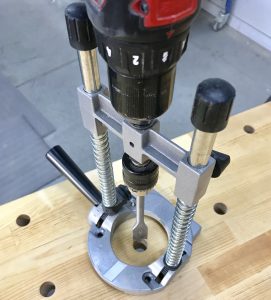
Credit: learn.kregtool.com
Tools And Accessories For Accuracy
Drilling straight holes with a hand drill requires more than just steady hands. The right tools and accessories improve your accuracy and make the job easier. These tools help guide the drill bit and keep it stable. They reduce mistakes and save time.
Using Drill Guides And Jigs
Drill guides and jigs hold the drill steady at the correct angle. They are small devices that attach to your workpiece or drill. These guides ensure the bit moves straight into the material. Using a jig helps avoid crooked holes and uneven depths. They are simple to use and very effective for beginners.
Employing Levels And Squares
Levels and squares check the drill’s position before you start. A small bubble level attached to the drill shows if it is straight. Squares help align the drill at perfect right angles. These tools stop you from guessing the angle. They keep your holes neat and precise.
Leveraging Clamps And Supports
Clamps hold the workpiece firmly in place. They stop it from moving while drilling. Supports can raise or stabilize the material for better control. Using clamps and supports reduces wobbling and slips. This setup helps you drill straighter and safer holes.
Common Mistakes To Avoid
Drilling straight holes with a hand drill can be tricky. Many beginners make avoidable mistakes. These errors cause crooked holes, broken bits, and wasted time. Knowing common mistakes helps improve your drilling skills quickly. Focus on key areas to get better results.
Avoiding Drill Wandering
Drill wandering happens when the bit slips on the surface. This causes off-center holes. Start by marking the spot with a center punch. This small dent keeps the bit in place. Hold the drill steady and start slowly. Avoid pushing too hard. Let the drill do the work.
Preventing Bit Breakage
Bit breakage occurs from too much pressure or wrong bits. Use the right bit for the material. Hard materials need strong, sharp bits. Do not force the drill. Press gently and keep the drill straight. If the bit heats up, stop and cool it. Broken bits waste time and money.
Managing Drill Speed
Speed control affects hole quality and bit life. Use slower speeds for hard materials. Faster speeds work for soft wood or plastic. Too fast can burn the material. Too slow can cause bit damage. Keep a steady speed and adjust if needed. This ensures clean, straight holes.

Credit: www.youtube.com
Post-drilling Tips
After drilling a hole, your work is not done yet. Proper care helps keep your project neat and strong. Follow simple steps to clean and check your hole. This ensures your final product looks good and works well. Post-drilling tips save time and prevent future problems.
Cleaning And Inspecting The Hole
Remove dust and debris from inside the hole. Use a small brush or compressed air for cleaning. Check the hole for cracks or splits in the material. Make sure the hole is clear and smooth inside. A clean hole helps screws or bolts fit better.
Smoothing Rough Edges
Rough edges can cause problems during assembly. Use sandpaper or a file to smooth the edges. Work gently to avoid widening the hole. Smooth edges prevent splinters and improve the final look. This step makes your project safer and more professional.
Checking Hole Alignment
Check if the hole is straight and in the right place. Use a ruler or straight edge to measure the position. Compare with your project plans or marks. Correct alignment keeps parts fitting together well. Fix small errors before moving to the next step.

Credit: www.instructables.com
Frequently Asked Questions
How Do I Ensure A Hole Is Drilled Straight?
Use a guide or drill press for accuracy. Mark the spot clearly. Keep the drill perpendicular to the surface while drilling.
What Hand Drill Tips Help Drill Straight Holes?
Choose a sharp, high-quality drill bit. Use a center punch to prevent slipping. Apply steady, even pressure while drilling.
Can I Drill Straight Holes Without A Drill Guide?
Yes, by carefully aligning the drill and using steady hands. Check alignment frequently and adjust to maintain a straight path.
Why Does My Drill Bit Wander Off The Mark?
Dull bits, improper angle, or lack of a guide cause wandering. Use a sharp bit and steady your drill for precision.
Conclusion
Drilling straight holes takes practice and patience. Start with the right tools and steady hands. Use guides or marks to keep your drill aligned. Keep your drill speed steady and controlled. Check your work often to avoid mistakes. Small adjustments make a big difference.
With time, your holes will look clean and precise. Keep these tips in mind for better results. Drilling straight holes becomes easier each time you try. Simple steps lead to better woodworking projects.
