


If you’re tackling a home project that involves drilling through a fire block, you might be wondering how to do it safely and effectively. Fire blocks are designed to slow down fire spread, so getting through them isn’t as simple as drilling into a regular wall.
But don’t worry—this guide will walk you through the exact steps you need to take. By the time you finish reading, you’ll know how to drill through a fire block without damaging your home’s safety features or creating unnecessary hazards.
Ready to learn the right way to handle this task? Let’s dive in.
Fire Block Basics
Fire blocks are an important part of building safety. They help stop fire from spreading inside walls. Understanding fire blocks helps you drill through them safely and correctly.
Purpose And Importance
Fire blocks slow down fire and smoke movement. They create barriers between wall cavities. This gives people more time to escape during a fire. Fire blocks also protect structural parts of a building. They are required by building codes in many places.
Common Materials
Fire blocks are made from materials that resist fire. Wood blocks are often used in wood-frame walls. Some fire blocks use special drywall or plywood. Mineral wool and fiberglass can fill gaps as fire barriers. These materials do not catch fire easily and stay strong under heat.

Credit: diy.stackexchange.com
Tools Needed
Drilling through a fire block needs the right tools for safety and success. Using proper equipment makes the job easier and faster. Choose tools that fit the task well. This section covers the main tools needed for drilling through fire blocks.
Drill Types
A cordless drill is best for mobility and ease. It lets you work without wires in tight spaces. A hammer drill adds power for tough materials. Use a drill with variable speed to control the drilling. Pick a drill that feels comfortable in your hand.
Drill Bits
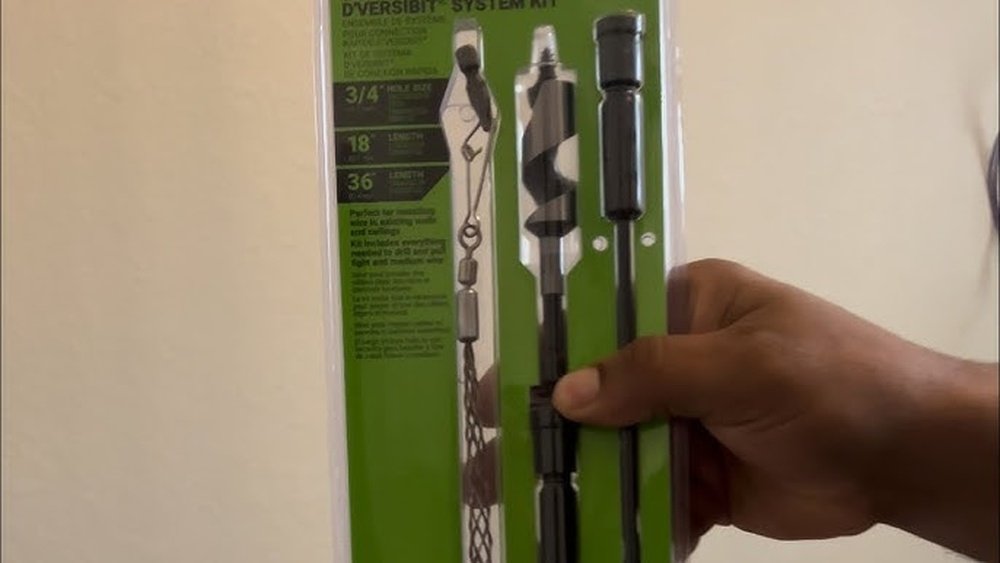
Wood drill bits work well for fire blocks made of wood. Choose sharp bits to drill smoothly and cleanly. A spade bit or auger bit helps create bigger holes quickly. Make sure bits are the right size for your pipes or cables. Replace dull bits to avoid damage and effort.
Safety Gear
Wear safety goggles to protect your eyes from dust and debris. Use ear protection to guard against loud drill noise. Gloves keep your hands safe and improve grip. A dust mask helps prevent inhaling fine particles. Dress in long sleeves to protect your skin.
Preparing The Area
Preparing the area is the first step before drilling through a fire block. This step helps ensure safety and accuracy. It also makes the drilling process smoother and faster. Taking time to prepare prevents mistakes and damage to the structure.
Locating The Fire Block
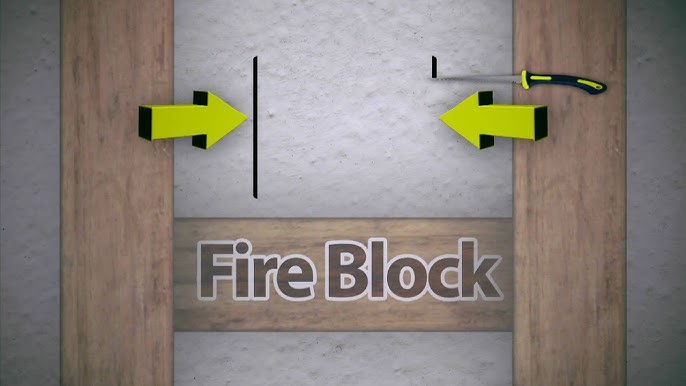
Find the exact spot of the fire block inside the wall. Fire blocks are usually wooden boards or blocks placed between studs. Use a stud finder or tap the wall to hear a solid sound. Mark the area where the fire block is located.
Marking Drill Points
Measure carefully to mark the points for drilling. Use a pencil or marker to make clear dots. Make sure the marks are straight and in line with the fire block. These marks guide the drill and help avoid wrong holes.
Clearing Surroundings
Remove any furniture, wires, or objects near the drilling area. Clear the space to avoid accidents and damage. Cover floors or surfaces with a drop cloth to catch dust and debris. Keep the area safe and clean before starting to drill.
Drilling Techniques
Drilling through a fire block requires careful technique to ensure safety and precision. The right approach helps protect the structure and prevents accidents. Follow these tips for effective drilling.
Choosing The Right Speed
Select a drill speed that matches the material’s density. Low speed works best for hard blocks. It prevents overheating and keeps the drill bit sharp. Avoid using high speed to reduce wear.
Applying Proper Pressure
Use steady, moderate pressure while drilling. Too much force can crack the fire block. Too little pressure wastes time and wears the bit. Let the drill do the work smoothly.
Avoiding Damage
Check for wires or pipes inside the wall before drilling. Wear safety glasses to protect your eyes. Use a drill bit designed for masonry to avoid breakage. Stop if you feel resistance or hear unusual sounds.
After Drilling Steps
After drilling through a fire block, certain steps ensure safety and compliance. These steps help maintain the fire resistance of the structure. Proper handling prevents smoke and fire from passing through the drilled hole.
Sealing The Hole
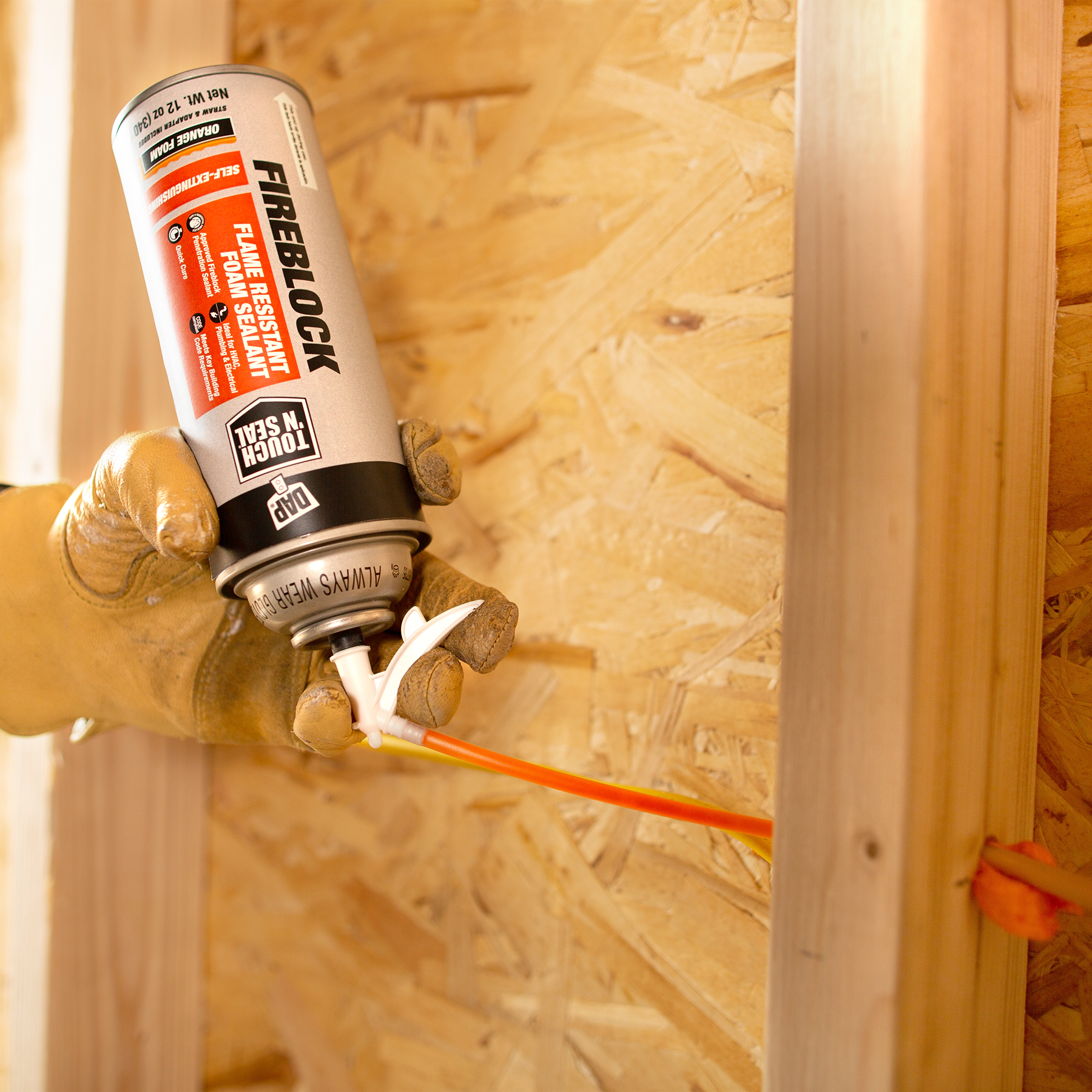
Seal the hole immediately after drilling. Use fire-resistant sealant or firestop foam. This material blocks fire and smoke from spreading. Make sure the sealant fits tightly inside the hole. Allow the sealant to dry fully before covering it up.
Inspecting For Gaps
Check around the hole for any gaps or cracks. Small spaces can let fire and smoke through. Use a flashlight to see clearly. Fill any gaps with fire-resistant material. Inspect both sides of the fire block for thoroughness.
Maintaining Fire Safety
Keep the fire block intact after drilling. Avoid drilling extra holes nearby. Regularly check the sealed area during inspections. Replace damaged sealant right away. Fire safety depends on careful maintenance and attention.
Credit: www.dap.com
Common Mistakes To Avoid
Drilling through a fire block requires care and attention. Many make mistakes that cause damage or reduce safety. Avoiding common errors saves time and keeps your home safe. Below are key mistakes to watch out for.
Ignoring Safety Precautions
Safety is the first step. Skipping protective gear can lead to injuries. Always wear goggles and gloves. Ensure the work area is clear of flammable materials. Keep a fire extinguisher nearby. Never rush the job.
Using Incorrect Tools
Wrong tools cause damage and make the job harder. Use a drill with the right bit size for the fire block. Avoid cheap or worn-out drill bits. Choose tools designed for fire-resistant materials. This ensures a clean hole without cracks.
Failing To Seal Properly
Sealing the hole is crucial to maintain fire resistance. Leaving gaps or using wrong sealants weakens the fire block. Use approved fire-resistant sealants to fill the drilled hole. Check for air leaks or cracks after sealing. Proper sealing prevents fire and smoke spread.
Credit: www.youtube.com
Frequently Asked Questions
What Tools Are Needed To Drill Through A Fire Block?
You need a drill with a carbide-tipped bit, safety goggles, and gloves. A hammer drill may be required for dense fire blocks. Using the right tools ensures clean, safe, and efficient drilling through fire blocks.
How To Maintain Fire Block Integrity When Drilling?
Drill slowly and avoid excessive pressure to prevent cracks. Use a drill bit designed for masonry or fire-resistant materials. Seal the drilled hole afterward to maintain the fire block’s protective properties.
Can I Drill Through Fire Blocks Without Professional Help?
Yes, with proper tools and safety measures, you can drill through fire blocks. Follow guidelines carefully to avoid damage and maintain fire resistance. However, complex jobs may require professional assistance for best results.
What Safety Precautions Should I Take When Drilling Fire Blocks?
Always wear safety goggles and gloves to protect from dust and debris. Ensure proper ventilation and use a dust mask. Keep the work area clear of flammable materials to prevent fire hazards.
Conclusion
Drilling through a fire block requires care and the right tools. Always check local codes before starting work. Use a drill bit designed for tough materials. Take your time to avoid damage or injury. Safety gear is important to protect yourself.
Following these steps helps you drill safely and effectively. Practice on scrap wood if needed. This way, you gain confidence and skill. Fire blocks are tough but not impossible to drill through. Stay patient and focused for the best results.
