


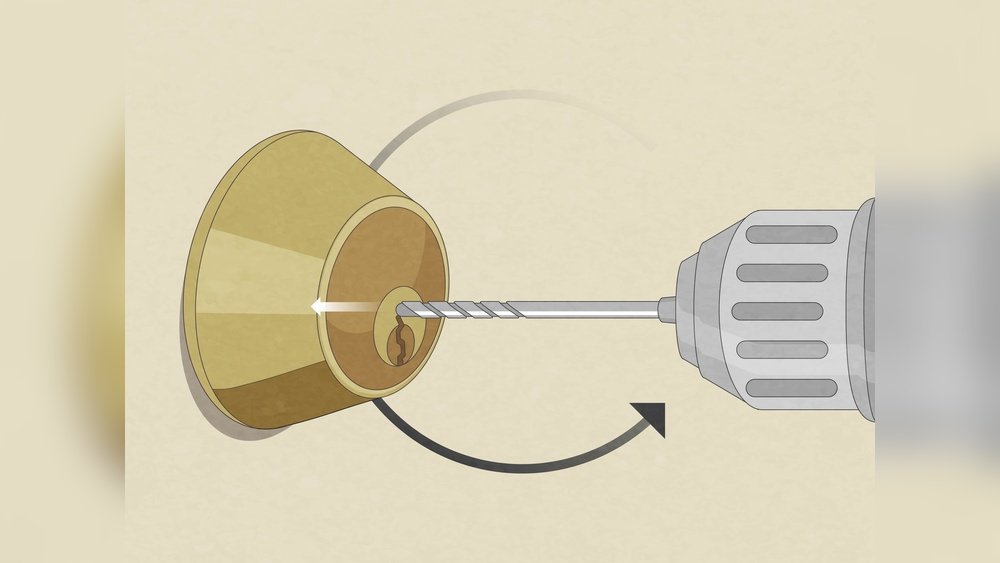
Have you ever found yourself locked out, staring at a stubborn lock that just won’t budge? Knowing how to drill through a lock can be a lifesaver in emergencies when you have no other options.
But it’s not just about brute force—you need the right technique to do it safely and effectively. You’ll discover simple, step-by-step instructions that anyone can follow. By the end, you’ll feel confident handling this tricky situation without causing unnecessary damage or stress.
Keep reading, because this could be the skill that saves your day.
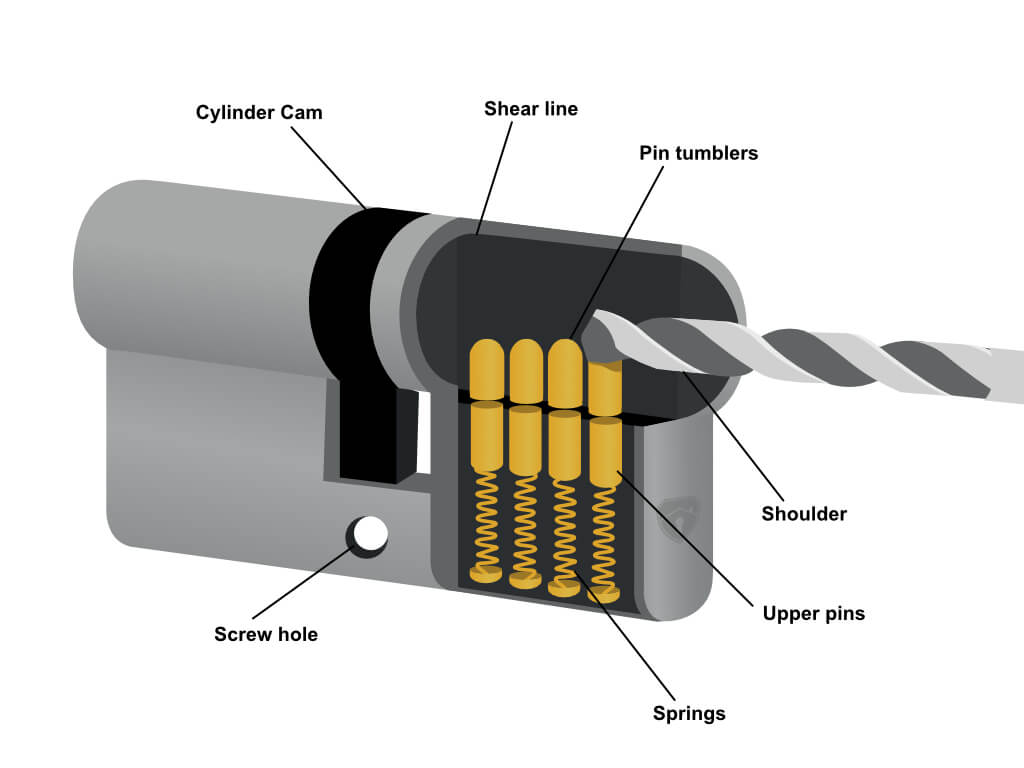
Credit: www.lathamshardware.co.uk
Choosing The Right Drill
Choosing the right drill is crucial when drilling through a lock. The right tool makes the job easier and safer. Using the wrong drill can damage the lock or cause injury. It is important to know which types of drills work best. Also, picking the correct drill bits helps create clean holes. Wearing safety gear protects you during the process.
Types Of Drills Suitable For Locks
Corded drills provide consistent power for tough locks. They are strong and reliable for heavy-duty work. Cordless drills offer more freedom and ease of use. They are lighter but may have less power. Hammer drills can break through metal faster. Use them carefully to avoid damage. Choose a drill with variable speed control. It allows better control when drilling.
Drill Bits To Use
Use high-speed steel (HSS) bits for drilling metal locks. They stay sharp and cut cleanly. Titanium-coated bits last longer and resist heat. Carbide-tipped bits work well on hard metals. Start with a small bit to make a pilot hole. This helps guide larger bits without slipping. Use bits designed for metal, not wood or plastic.
Safety Gear Essentials
Always wear safety goggles to protect your eyes from metal shards. Use gloves to shield your hands from sharp edges. Ear protection helps reduce noise from the drill. Wear a dust mask to avoid breathing metal dust. Keep your work area clean and well-lit. Secure the lock firmly to prevent movement during drilling.

Credit: www.youtube.com
Preparing The Lock
Preparing the lock is the first step before drilling. It helps make the process safer and easier. Proper preparation can save time and avoid damage.
Start by understanding the lock’s parts. This knowledge guides where to drill. A well-prepared lock also reduces the chance of drill bit slipping.
Inspecting The Lock Mechanism
Look closely at the lock. Identify the keyhole and cylinder. Notice any screws or plates covering the lock. Check for rust or dirt that may block the drill. Understanding the mechanism helps target the right spot.
Marking The Drill Spot
Find the cylinder’s center. This is usually behind the keyhole. Use a marker or pencil to mark the exact drill point. Marking ensures precision and reduces mistakes. A clear mark guides the drill bit straight.
Securing The Lock For Drilling
Hold the lock firmly in place. Use a clamp or vise for stability. A loose lock may move and cause injury. Securing the lock helps control the drill. It also protects the surface under the lock.
Drilling Techniques
Drilling through a lock requires the right techniques to do it safely and effectively. Using proper drilling methods helps avoid damage and ensures success. Focus on speed, pressure, and stability to get the best results.
Understanding common mistakes helps you avoid problems during the process. Keep control of the drill and work carefully to finish the task quickly.
Correct Drill Speed And Pressure
Use a medium drill speed to avoid overheating the drill bit. Too fast can wear the bit out, while too slow may cause it to stick. Apply steady pressure. Press hard enough to cut but not so much that the drill slips.
Let the drill do the work. Pushing too hard can damage the lock or break the drill bit. Maintain a consistent speed for clean holes.
Maintaining Drill Stability
Hold the drill firmly with both hands. Keep it straight and steady to drill in the right spot. Moving or wobbling can cause the drill bit to slip or break.
Use clamps if possible to secure the lock in place. This reduces movement and helps maintain control. A steady drill creates smoother holes and faster progress.
Avoiding Common Mistakes
Do not rush the drilling process. Going too fast can cause errors and damage. Avoid overheating by pausing if the drill bit gets hot. Use the right drill bit type for metal locks.
Never drill at an angle or without proper control. Avoid forcing the drill if it feels stuck. These mistakes increase risks and reduce success chances.
After Drilling
After drilling through a lock, the task is not yet complete. The next steps involve clearing the way to open the door or container. Proper care ensures the lock parts do not cause more trouble. It also helps prepare for any repair or replacement needed later.
Removing Lock Components
Start by taking out the drilled lock pieces. Use pliers or screwdrivers to pull loose parts gently. Avoid forcing anything to prevent damage to the door. Remove broken springs, pins, or cylinders carefully. Keep all pieces aside to understand the lock’s condition.
Cleaning Up Debris
Drilling creates metal shavings and dust around the lock area. Use a brush or vacuum to clear the mess thoroughly. Check inside the lock hole for leftover debris. Cleaning helps the lock mechanism or replacement fit better. It also protects the door from scratches or rust.
Testing The Unlocking Process
Try to move the lock parts after cleaning. Check if the door handle or latch works smoothly. If the lock still sticks, remove more debris or parts blocking it. Testing early avoids surprises later. It confirms the drill effort was successful and the path is clear.
Safety Tips And Legal Considerations
Drilling through a lock requires careful attention to safety and legal rules. Ignoring these can cause injury or trouble with the law. This section covers key safety tips and legal points. Follow these to protect yourself and respect the law.
Personal Safety Precautions
Wear safety goggles to protect your eyes from flying metal pieces. Use gloves to avoid cuts and improve grip on tools. Keep your work area clear and well-lit. Hold the drill firmly to prevent slipping. Take breaks to avoid fatigue, which can cause mistakes. Always drill slowly and steadily for better control.
Legal Implications Of Drilling Locks
Drilling a lock without permission is illegal in many places. It can be seen as breaking and entering or property damage. Always have proof that you own the lock or have permission. Be aware of local laws before starting any work. Illegal actions may lead to fines or criminal charges. Respect private property and never drill locks on others’ belongings.
When To Call A Professional
Call a locksmith if you are unsure about drilling. Professionals have the right tools and experience. They work quickly and safely, reducing damage. Some locks are harder and need special techniques. A locksmith can also advise on legal concerns. Don’t risk injury or legal problems by drilling alone.

Credit: www.youtube.com
Frequently Asked Questions
What Tools Are Best For Drilling Through A Lock?
The best tools include a power drill with a metal drill bit. Choose a drill bit designed for hardened steel. Always wear safety goggles to protect your eyes from metal shards during drilling.
Is Drilling A Lock Always Effective For Entry?
Drilling a lock is effective on many locks, especially pin tumbler types. However, some high-security locks have anti-drill plates. These require specialized drill bits or alternative entry methods.
How Do I Safely Drill Through A Lock?
Wear protective gear like goggles and gloves. Secure the lock before drilling. Drill slowly at the lock’s keyhole center to avoid damage. Stop if the drill bit overheats.
Can Drilling Damage The Door Or Frame?
Yes, improper drilling can damage the door or frame. Use precise drilling techniques to minimize damage. Focus only on the lock cylinder to avoid unnecessary harm.
Conclusion
Drilling through a lock takes care and the right tools. Always wear safety gear to protect yourself. Choose the drill bit carefully for the lock type. Work slowly and keep steady pressure on the drill. Remember, practice helps you get better and faster.
Respect property and laws before drilling any lock. Doing it right saves time and avoids damage. Stay calm, focused, and patient throughout the process. You now have the basics to drill a lock safely. Use this knowledge wisely and responsibly.
