



Have you ever wanted to turn a beautiful seashell into a unique piece of jewelry or decoration? Drilling through a seashell might seem tricky, but with the right steps, you can do it safely and easily.
In this guide, you’ll learn how to drill through a seashell without cracking or breaking it. Whether you’re a beginner or just want to improve your technique, these simple tips will help you create stunning crafts that stand out. Keep reading—you’re just a few steps away from mastering this skill!
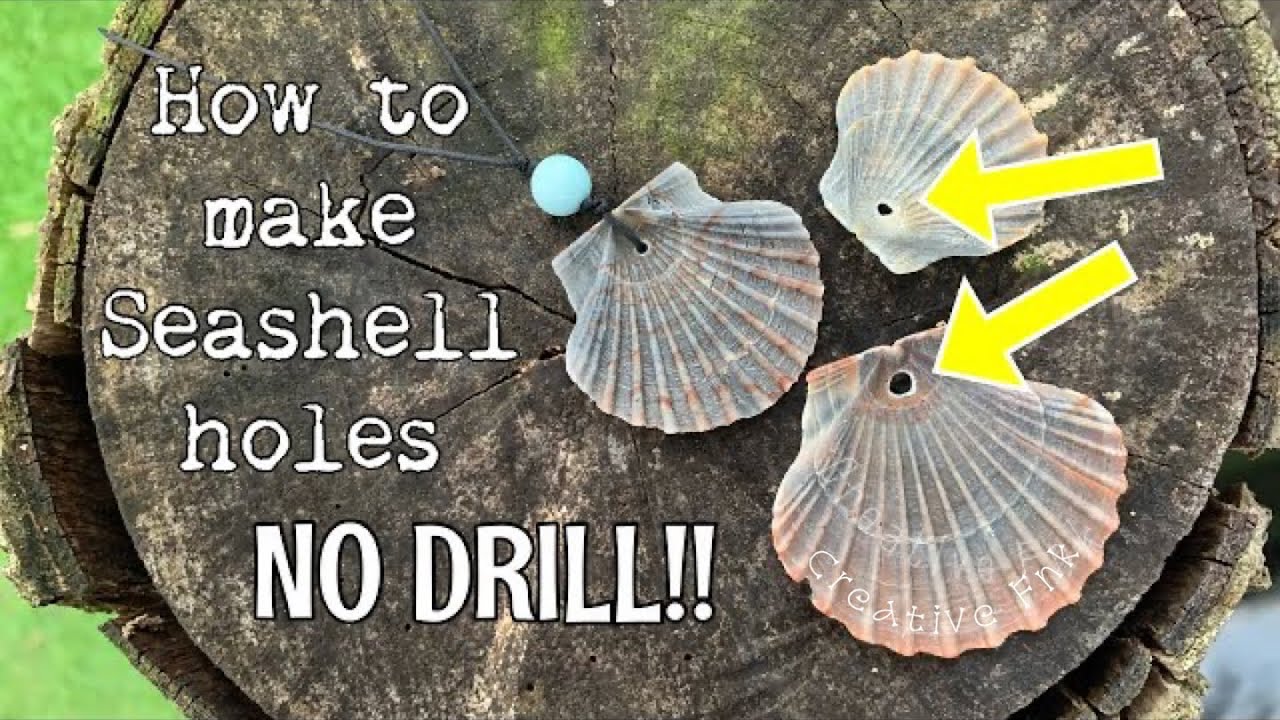
Credit: www.youtube.com
Choosing The Right Seashell
Choosing the right seashell is key to a smooth drilling process. Not all shells are fit for drilling. Some break easily, while others hold up well. Picking the right type saves time and effort. It also keeps your project looking great.
Selecting Durable Shells
Pick shells that feel solid and heavy for their size. Thick shells with a smooth surface usually work best. Examples include conch, whelk, and some types of clam shells. These shells can handle the pressure of drilling. They are less likely to crack or crumble.
Check the shell for any cracks or weak spots. Avoid shells with holes or thin areas. These parts can break during drilling. A strong shell is easier to work with and lasts longer.
Avoiding Fragile Types
Thin and brittle shells are poor choices for drilling. Examples are scallops and many small snail shells. These shells often break under pressure. They may shatter or lose pieces while drilling.
Fragile shells also make it hard to create clean holes. The edges can chip or crack easily. Choose shells with a firm texture to avoid frustration. Strong shells give better results and stay intact.
Tools Needed For Drilling
Drilling through a seashell requires the right tools to avoid cracks or breaks. Using proper equipment makes the process smooth and safe. This section explains the tools needed for drilling seashells effectively.
Best Drill Types
Handheld rotary drills work best for seashells. They offer control and steady speed. A Dremel tool is perfect for small, delicate shells. Cordless drills can also be used if speed is adjustable. Avoid heavy drills that may damage the shell.
Choosing Drill Bits
Use small, sharp drill bits to prevent cracking. Carbide or diamond-tipped bits are ideal. These bits cut cleanly through the hard shell surface. Start with a very small bit to make a pilot hole. Then, increase bit size slowly if needed.
Safety Gear
Wear safety glasses to protect your eyes from dust and shards. A dust mask prevents inhaling fine particles from the shell. Gloves protect your hands but use thin ones for better grip. Secure the shell firmly to avoid slips during drilling.
Preparing The Seashell
Preparing the seashell is an important first step before drilling. It helps ensure clean holes and prevents the shell from breaking. Proper preparation makes the drilling process smoother and safer.
Cleaning The Shell
Start by washing the seashell with warm water. Use a soft brush to remove dirt and sand. Avoid harsh chemicals that can damage the shell’s surface. Let the shell dry completely before drilling.
Marking The Drilling Spot
Use a pencil or marker to mark the exact spot for drilling. Choose a flat, sturdy part of the shell. Mark clearly but gently to avoid cracking the shell. This helps guide your drill for a precise hole.
Securing The Shell
Place the shell on a stable surface. Use a clamp or soft cloth to hold it steady. Avoid squeezing too hard to prevent cracks. A secure shell keeps your hands safe and the drill steady.
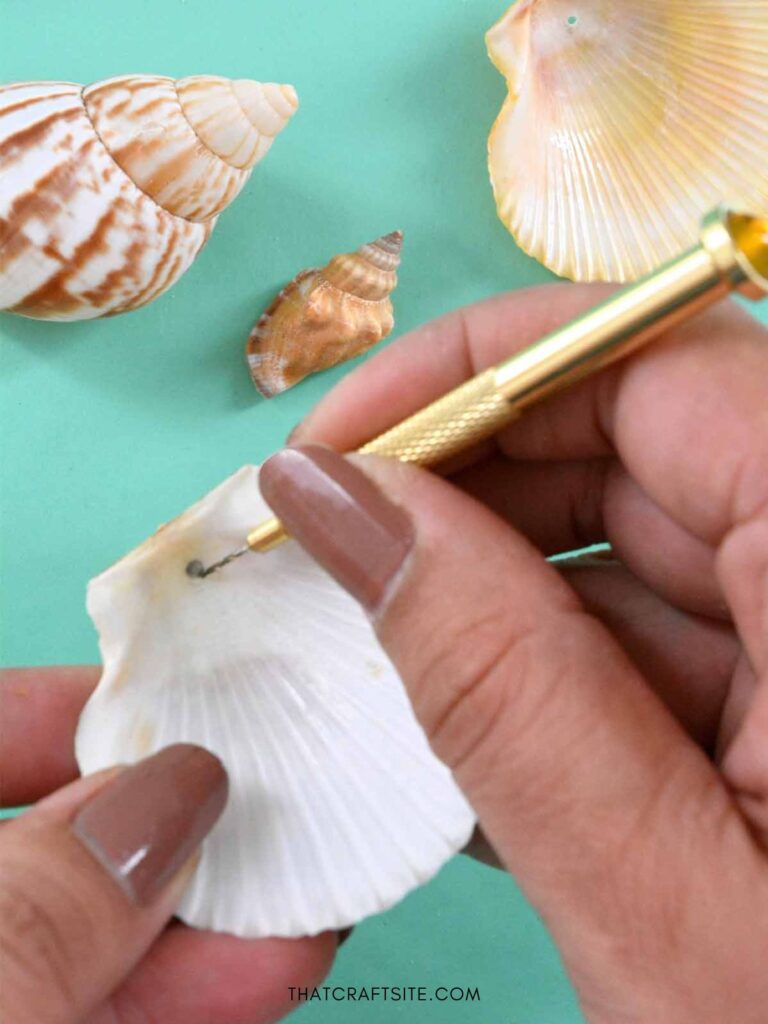
Credit: thatcraftsite.com
Drilling Techniques
Drilling through a seashell requires careful technique to avoid cracks and damage. Using the right methods helps create clean holes. This section explains easy steps to drill seashells safely and effectively.
Starting With A Pilot Hole
Begin by making a small pilot hole. Use a thin drill bit for this step. The pilot hole guides the larger bit and prevents slipping. Hold the seashell firmly but gently. Drill slowly to avoid cracking the shell.
Maintaining Slow Drill Speed
Keep the drill speed low throughout the process. High speeds cause heat and cracks. Slow drilling gives better control and cleaner holes. Patience is key for a smooth finish on the shell.
Using Water For Cooling
Apply water to the shell while drilling. Water cools the drill bit and shell surface. This reduces heat and lowers the chance of damage. Use a small cup or spray bottle to keep the area wet.
Handling Common Issues
Drilling through seashells can be tricky. Small mistakes cause cracks or breaks. Knowing how to handle common problems helps you work safely. It keeps your seashells in good shape. This section covers simple ways to avoid and fix issues.
Preventing Cracks
Cracks happen when pressure is too high. Use a low-speed drill to keep control. Hold the shell gently but firmly. Place a soft cloth underneath to support it. Start with a tiny hole first. Move slowly and let the drill do the work. Avoid pushing hard. Stop if you see any cracks forming.
Dealing With Shell Breakage
Breaks can occur despite care. If a piece breaks off, save it. You can glue it back with strong adhesive. Clean both surfaces before gluing. Press the parts together and hold until dry. For small breaks, use clear nail polish to seal edges. Always wear safety glasses to protect eyes from flying bits.

Credit: www.youtube.com
Finishing Touches
After drilling through a seashell, the work is not quite done. Finishing touches make your seashell safe and ready for use. These steps improve both the look and feel of your project. Take time to smooth and clean the shell carefully. This enhances the final result and prevents damage during handling.
Smoothing Rough Edges
Drilling often leaves sharp or rough edges around the hole. These edges can hurt your fingers or catch on fabric. Use fine sandpaper or a nail file to smooth the area gently. Move in small circles to avoid cracking the shell. Check frequently to see if the edges feel smooth to touch. Don’t rush. Take your time to create a clean finish.
Cleaning After Drilling
Drilling creates dust and small shell particles. Clean the shell to remove all debris. Use a soft brush or cloth to wipe away dust. For a deeper clean, rinse the shell under cool water. Avoid harsh soaps as they can damage the shell’s surface. Let the shell dry completely before using or storing it. Clean shells look brighter and last longer.
Creative Uses For Drilled Shells
Drilled seashells open many creative possibilities. Small holes allow easy threading or attaching. These shells turn into beautiful and unique items. Their natural patterns and colors add charm. Crafting with shells brings a coastal touch to art.
Jewelry Making
Drilled shells make lovely jewelry pieces. String them into necklaces or bracelets. Combine shells with beads for extra style. Use wire to create earrings or charms. Each shell piece becomes a wearable treasure. Perfect for gifts or personal use.
Home Decor Ideas
Decorate your home with drilled seashells. Hang them on strings to make curtains or garlands. Attach shells to picture frames or mirrors. Use them as accents on lamps or vases. Create wind chimes that produce soft sounds. These ideas bring a fresh, beachy feel indoors.
Frequently Asked Questions
What Tools Are Best For Drilling Seashells?
A small drill with a fine carbide or diamond bit works best. Use a handheld rotary tool for better control. Avoid large or dull bits that may crack the shell.
How Do I Prevent Seashells From Cracking When Drilling?
Drill slowly with light pressure and keep the shell wet. Using masking tape on the drill spot can minimize cracking. Patience and steady hands are key to avoid damage.
Can I Drill Holes In Any Type Of Seashell?
Most seashells can be drilled, but thicker shells are easier. Fragile or very thin shells may break easily. Test on a small piece if unsure.
Should I Prepare Seashells Before Drilling?
Yes, clean and dry the shells thoroughly. Remove any debris or dirt inside the shell. Proper preparation helps achieve a clean hole and prevents tool damage.
Conclusion
Drilling through a seashell takes patience and the right tools. Use a small drill bit and go slowly to avoid cracks. Keep the shell wet to reduce heat and prevent breaking. Always wear safety glasses to protect your eyes. Practice on old shells before trying on special ones.
With care and practice, you can create beautiful shell crafts. Remember, gentle and steady work brings the best results. Enjoy your creative projects and have fun drilling seashells safely.
