


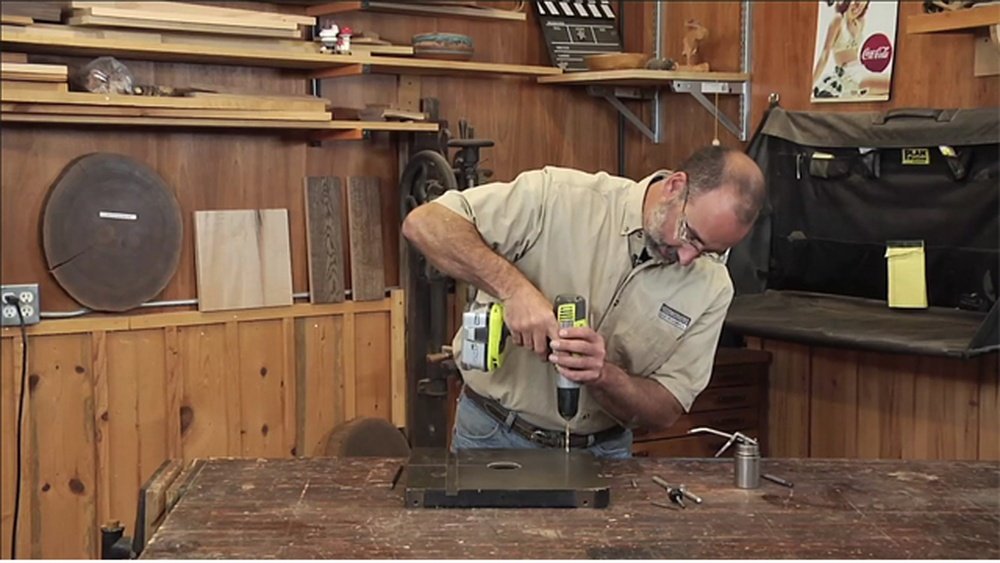
Drilling through cast iron can feel tricky if you’re not sure where to start. You might worry about cracking the metal or dulling your drill bits fast.
But what if you could learn a simple, step-by-step way to get clean, precise holes every time? In this guide, you’ll discover easy tips and techniques that make drilling cast iron safer and more effective. By the end, you’ll have the confidence to tackle your project without guesswork or frustration.
Ready to master this skill and save time on your next job? Let’s dive in.

Credit: www.reddit.com
Choosing The Right Drill Bit
Choosing the right drill bit is key to drilling through cast iron safely. The wrong bit can break, dull quickly, or damage the metal. Cast iron is hard and brittle, so it needs special drill bits. Picking the best bit helps make the work faster and cleaner. It also keeps the drill from slipping or overheating.
Types Of Drill Bits For Cast Iron
High-speed steel (HSS) drill bits work well on cast iron. They are strong and can handle tough metals. Cobalt drill bits are even better. They last longer and resist heat more. Carbide-tipped bits are very hard and wear-resistant. They cut through cast iron smoothly but cost more. Choose bits designed for metal, not wood or plastic.
Coating And Material Considerations
Coatings on drill bits make a big difference. Titanium nitride coating reduces friction and keeps the bit cooler. Black oxide coating also helps with heat and rust. Solid cobalt bits do not need extra coating because cobalt itself handles heat well. Pick coated bits for longer life and better performance. Always match the bit material and coating to the job.
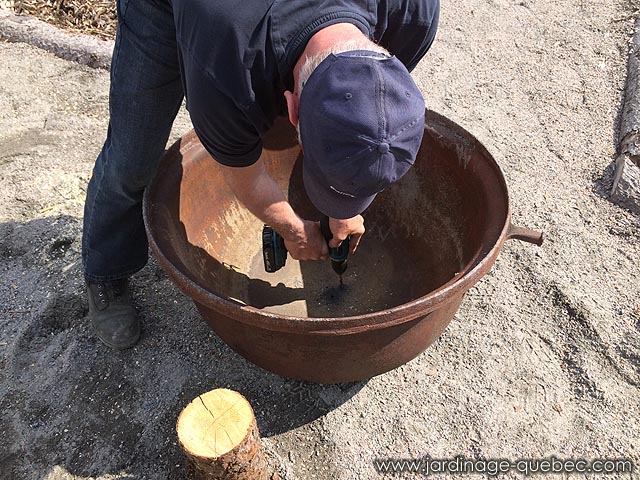
Credit: www.usa-gardening.com
Preparing The Cast Iron Surface
Preparing the cast iron surface is a key step before drilling. It helps create a clean, safe, and accurate work area. Proper preparation prevents damage to the material and the drill bit. It also makes the drilling process smoother and more efficient.
Cleaning And Marking The Drill Spot
Start by cleaning the cast iron surface. Remove dirt, grease, and rust using a wire brush or cloth. A clean surface helps the drill bit grip well and reduces slipping.
Next, mark the exact spot where you want to drill. Use a center punch and hammer to make a small indentation. This mark guides the drill bit, keeping it steady and precise.
Securing The Workpiece
Secure the cast iron piece firmly before drilling. Use clamps or a vise to hold it in place. This prevents movement and helps maintain accuracy.
Make sure the workpiece is stable and will not shift during drilling. Safety is important, so double-check the setup before starting.
Drilling Techniques
Drilling through cast iron requires special techniques to avoid damage. The metal is hard and brittle. Using the right method helps create clean holes without cracks or breaks. Proper drilling saves time and tools.
Focus on controlling speed, pressure, and lubrication. These factors protect the drill bit and the workpiece. The right technique makes the job easier and safer.
Optimal Speed And Pressure
Use low speed for drilling cast iron. High speed causes overheating and dulls the drill bit. Keep the drill steady and apply firm but gentle pressure. Too much force can crack the metal. Let the drill bit do the work. Stop if you hear unusual noises or see smoke.
Using Lubricants Effectively
Lubricants reduce friction and heat during drilling. Use cutting oil or light machine oil. Apply it before starting and regularly during drilling. This keeps the drill bit cool and lasts longer. Avoid water or thick grease as they are less effective. Clean the hole and reapply lubricant if needed.

Credit: www.youtube.com
Safety Precautions
Drilling through cast iron requires care to stay safe. The metal is tough, and the process can cause heat and sharp shards. Taking the right safety steps protects your eyes, hands, and skin. It also helps avoid accidents and injuries. Use the proper gear and follow safe handling methods at all times.
Protective Gear Recommendations
Wear safety goggles to shield your eyes from metal bits. Use thick gloves to protect your hands from sharp edges. Long sleeves guard your arms against hot metal shards. A dust mask stops you from breathing in tiny metal dust. Closed-toe shoes keep your feet safe from falling tools or debris.
Handling Heat And Metal Shards
Cast iron heats quickly during drilling. Let the drill cool down often to avoid burns. Use water or cutting oil to lower the heat. Metal shards fly off fast and can cause cuts. Keep your face and body away from the drill path. Clean the work area frequently to remove sharp debris.
Troubleshooting Common Issues
Drilling through cast iron can be tricky. Problems like bit dullness and cracks often occur. Knowing how to fix these issues saves time and effort. This section covers common problems and how to handle them effectively.
Dealing With Bit Dullness
Cast iron wears out drill bits fast. Dull bits cause poor drilling and more heat. Stop drilling if the bit looks worn.
Use a new or sharpened bit for better results. Apply cutting oil to cool the bit. Drill slowly and steadily to avoid dullness.
Preventing Cracks And Breaks
Cast iron is brittle and can crack easily. Avoid applying too much pressure during drilling. Let the drill do the work.
Use a center punch to mark the spot before drilling. This keeps the drill bit from slipping. Drill with low speed to prevent heat build-up.
Keep the area cool with cutting oil or water. Take breaks to let the metal cool down. This reduces the chance of breaks and cracks.
Post-drilling Tips
Drilling through cast iron is only part of the job. Taking care of the hole and your tools after drilling is important. Good post-drilling habits make your work cleaner and your tools last longer.
Cleaning And Finishing The Hole
Remove any metal shavings or dust from the hole. Use a brush or compressed air for cleaning. Check the edges of the hole for rough spots.
Smooth the edges with a file or sandpaper. This prevents cracks and improves the finish. Clean holes also help in fitting bolts or other parts easily.
Maintaining Your Tools
Cast iron can wear down drill bits fast. After use, clean bits with a cloth to remove metal dust. Check bits for dullness or damage.
Sharpen or replace dull bits to keep drilling easy. Store your tools in a dry place. Proper care keeps them ready for the next job.
Frequently Asked Questions
What Drill Bit Is Best For Cast Iron?
Use a carbide-tipped or cobalt drill bit for cast iron. These bits are durable and maintain sharpness. They reduce wear and ensure clean holes. Avoid standard bits as they dull quickly on cast iron.
How To Prevent Cast Iron From Cracking While Drilling?
Drill slowly and use cutting oil to reduce heat. Secure the piece firmly to avoid vibrations. Start with a small pilot hole to minimize stress. These steps help prevent cracks during drilling.
Can I Drill Cast Iron Without Lubrication?
It’s not recommended to drill cast iron dry. Lubrication reduces friction and heat buildup. Use cutting oil or a suitable lubricant for smoother drilling and longer bit life.
What Speed Should I Use When Drilling Cast Iron?
Use a low to moderate speed when drilling cast iron. High speed causes overheating and bit damage. Adjust speed based on bit size; smaller bits need higher RPM than larger ones.
Conclusion
Drilling through cast iron takes care and the right tools. Use sharp drill bits made for metal. Keep the drill speed slow and steady. Always cool the bit with oil or water. Take breaks to avoid overheating the metal. Follow these tips for a clean, safe hole.
Practice makes the process easier over time. Stay patient and focused throughout the job. Cast iron drilling can be done well by anyone. Just prepare well and work carefully.
