


Drilling through concrete can feel like a tough job, especially if you don’t have a hammer drill on hand. But what if you need to get the job done right now?
You might think it’s impossible or that you’ll end up damaging your tools or the surface. The good news is, you don’t have to wait or spend extra money on special equipment. You’ll discover simple, effective ways to drill through concrete using tools you probably already have.
By the time you finish reading, you’ll be ready to tackle your project with confidence and avoid common mistakes that slow you down. Let’s get started and make your concrete drilling easier than you ever thought possible.

Credit: www.esseg.eu
Choosing The Right Drill
Choosing the right drill is important for drilling through concrete without a hammer drill. The right drill makes the job easier and faster. It also helps avoid damage to your tools and materials. Consider the type, power, and features of the drill before starting.
This guide explains what to look for in a drill for concrete work without a hammer function.
Corded Vs Cordless Options
Corded drills provide constant power and do not run out of battery. They are often stronger for heavy tasks. Cordless drills offer more freedom to move and work in tight spaces. Battery life and power vary by model. For concrete, corded drills usually work better because of steady power.
Drill Power And Speed
Power is measured in amps for corded drills and volts for cordless ones. Higher power means the drill can handle harder materials like concrete. Speed is important too. Slower speeds with high torque help control the drill and reduce bit wear. Choose a drill with adjustable speed settings for better control.
Essential Drill Features
A drill with a side handle improves grip and control. Variable speed triggers allow you to start slow and increase speed as needed. A clutch prevents overdriving screws or damaging the drill. Look for a drill that accepts masonry bits and has good ventilation to prevent overheating.

Credit: www.reddit.com
Selecting Suitable Drill Bits
Selecting the right drill bit is key to drilling through concrete without a hammer drill. The bit must be strong enough to cut through hard surfaces. Using the wrong bit can cause damage or make drilling very hard. This section explains different drill bits and how to choose the best one for your project.
Masonry Bits Explained
Masonry bits are designed specifically for drilling into concrete and bricks. They have a special tip made to break hard materials. The tip is usually made of tungsten carbide, which is very tough. These bits have a spiral shape to remove dust and debris while drilling. Masonry bits work well with regular drills if you use slow speed and steady pressure.
Carbide-tipped Bits Benefits
Carbide-tipped bits last longer and stay sharper than regular steel bits. They can handle the hardness of concrete better. The carbide tip cuts through tough surfaces more easily. This reduces the chance of the bit slipping or breaking. These bits help you drill more cleanly and quickly without a hammer drill.
Size And Shape Considerations
Choose the bit size based on the hole you need. Smaller bits drill faster but make smaller holes. Larger bits take more time and effort. The shape of the tip also matters. A pointed tip starts the hole easier and keeps the bit from wandering. A flat tip is better for wider holes. Select the right size and shape to make your work easier and more precise.
Preparing The Concrete Surface
Preparing the concrete surface is an important first step before drilling. A well-prepared surface makes drilling easier and safer. It helps the drill bit stay in place and reduces the chance of mistakes or damage. Proper preparation saves time and effort during the drilling process.
Marking Drill Spots
Mark the spots where you want to drill using a pencil or chalk. Clear marks guide you and keep the drill steady. Check the marks carefully to avoid mistakes. Accurate marking helps you drill in the right place every time.
Cleaning The Area
Remove dust, dirt, and debris from the drill spots. Use a brush or cloth to clean the surface well. A clean area helps the drill bit grip better. It also prevents dirt from scratching the concrete or affecting the drill’s path.
Using Tape For Stability
Place masking tape over the drill spot. Tape adds grip and stops the drill bit from slipping. It also reduces surface cracking around the hole. Use a small piece of tape for each spot to keep the drill steady.
Manual Techniques For Drilling
Drilling through concrete without a hammer drill needs patience and careful technique. Manual methods focus on steady effort and smart steps. These techniques help you work safely and get good results. The key is to keep control and protect your tools.
Applying Consistent Pressure
Hold the drill firmly and push evenly into the concrete. Avoid sudden force or fast twisting. Slow and steady pressure helps the bit cut through the material. Let the drill do the work, not your strength. This reduces the risk of breaking the bit or damaging the surface.
Using Pilot Holes
Start with a small drill bit to make a pilot hole. This guides the larger bit and makes drilling easier. The pilot hole reduces the load on the drill and bit. It also helps prevent slipping or wandering on the concrete surface. Gradually increase the bit size to reach the desired hole diameter.
Cooling The Bit
Drilling concrete causes heat build-up on the drill bit. Heat can dull the bit and cause damage. Stop drilling every few minutes to cool the bit. Use water or a wet cloth to lower the temperature. Keeping the bit cool extends its life and improves drilling performance.
Alternative Tools To Hammer Drills
Drilling through concrete without a hammer drill is possible with the right tools. Several alternatives provide good results without the hammering action. These tools help make holes in concrete by using different methods. Understanding these options expands your ability to work on concrete safely and efficiently.
Rotary Hammer Alternatives
Rotary hammers work like hammer drills but are more powerful. Some smaller rotary hammers can replace hammer drills. They use a piston mechanism to create strong impacts. This makes drilling easier in tough concrete. Choose a rotary hammer with variable speed and impact settings for best results. These tools are ideal for bigger holes or hard concrete.
Impact Driver Usage
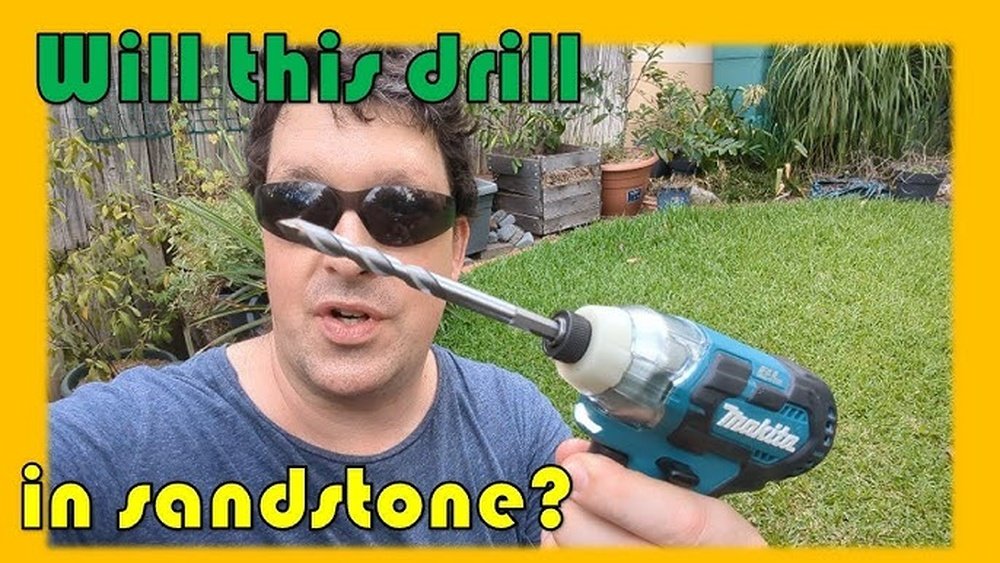
Impact drivers usually drive screws but can drill in concrete with the right bit. They deliver quick bursts of force, helping break concrete as they turn. Use masonry drill bits made for impact drivers. This method works best for small holes or light-duty tasks. Impact drivers are lightweight and easy to handle in tight spaces.
Drill Attachments And Accessories
Special attachments can convert regular drills into tools for concrete. Rotary hammer adapters connect to standard drills to add hammer action. Core bits and carbide-tipped drill bits improve cutting through concrete. These accessories increase the drill’s effectiveness without a hammer drill. Always select attachments designed for concrete to avoid damage.
Safety Tips During Drilling
Drilling through concrete without a hammer drill requires careful attention to safety. Concrete is tough. Drilling it can create dust, noise, and heat. These factors can cause injury or damage if you are not careful. Follow these safety tips to protect yourself and your tools during the process.
Protective Gear Essentials
Always wear safety goggles to protect your eyes from flying debris. Use a dust mask to avoid breathing in concrete dust. Wear ear protection to reduce noise from the drill. Gloves help protect your hands from sharp edges and heat. Choose sturdy shoes to protect your feet from falling tools or debris.
Managing Dust And Debris
Concrete dust can be harmful if inhaled. Use a vacuum or wet cloth near the drilling area to reduce dust. Work in a well-ventilated space to keep fresh air flowing. Clear debris regularly to avoid slips and falls. Keep the work area clean for better focus and safety.
Preventing Overheating
Drilling through concrete creates friction and heat. Take breaks to let the drill cool down. Use water to dampen the drill bit and reduce heat buildup. Avoid pushing too hard on the drill to keep it from overheating. Overheating can damage the drill and cause accidents.
Troubleshooting Common Issues
Drilling through concrete without a hammer drill can be tough. Some common problems can slow you down or damage your tools. Knowing how to fix these issues helps you work faster and safer. This section covers common challenges and easy fixes.
Drill Bit Slipping
Drill bit slipping happens when the bit does not grip the concrete well. This wastes time and can damage the bit. Use masking tape on the bit tip to add grip. Start with a small pilot hole to guide the bit. Keep the drill steady and apply firm pressure.
Slow Progress Solutions
Drilling into concrete can feel slow without a hammer drill. Use a sharp masonry bit designed for concrete. Clean the bit often to remove dust. Take breaks to let the bit cool down. Use water to cool the area and reduce dust. This helps the bit cut better and last longer.
Dealing With Cracks And Chips
Cracks and chips can ruin your drill hole and weaken the surface. Avoid pressing too hard on the drill. Drill at a steady speed to prevent damage. Use painter’s tape around the hole to reduce chipping. If cracks appear, stop and repair them before continuing. This keeps your work safe and neat.

Credit: www.youtube.com
Finishing Touches After Drilling
Finishing touches after drilling into concrete without a hammer drill are essential. They ensure the hole is clean, safe, and ready for use. These steps help prevent problems later and make your project look professional.
Cleaning The Hole
Remove all dust and debris from the drilled hole. Use a small brush or compressed air to clear it out. A clean hole helps anchors stick better and improves safety.
Inspecting For Damage
Check the hole walls for cracks or chips. Small damage can weaken the hold of anchors or screws. Fix any issues with a bit of concrete patch or filler before moving forward.
Preparing For Anchors Or Inserts
Choose the right size anchor or insert for your hole. Insert it carefully, ensuring it fits snugly. Proper preparation helps your fasteners stay strong and secure over time.
Frequently Asked Questions
Can I Drill Concrete Without A Hammer Drill?
Yes, you can use a regular drill with a masonry bit. Use low speed and steady pressure to avoid overheating the bit.
What Drill Bit Works Best For Concrete?
A carbide-tipped masonry bit is best for drilling through concrete. It is durable and designed to handle hard surfaces.
How Do I Prevent Drill Bits From Overheating?
Drill at low speed and pause frequently to cool the bit. You can also spray water on the drill site.
Is It Safe To Drill Concrete Without A Hammer Drill?
Yes, it is safe if done carefully. Use proper safety gear like goggles and dust masks to protect yourself.
Conclusion
Drilling through concrete without a hammer drill can be done with care. Use the right drill bit and steady pressure. Take breaks to avoid overheating your tools. Patience matters more than speed. Small steps lead to better results. This method saves money and works well for light tasks.
Always wear safety gear to protect yourself. Try these tips and see how simple it can be. Keep practicing to improve your skill. You don’t need fancy tools to get the job done.
