


Drilling through thick metal can feel like a tough challenge. You might worry about damaging your tools or not getting a clean hole.
But what if you could do it right the first time, with less effort and better results? This guide will show you exactly how to drill through thick metal safely and efficiently. By the end, you’ll have the confidence and know-how to tackle your project like a pro.
Ready to make your next metal drilling job easier? Let’s dive in.
Credit: www.youtube.com
Choosing The Right Drill Bit
Choosing the right drill bit is key when drilling through thick metal. The correct bit makes the process easier and safer. It helps create clean holes without breaking the bit or damaging the metal. Not all drill bits work well on thick metal. Knowing the types and materials of drill bits helps pick the best one for the job.
Types Of Drill Bits For Metal
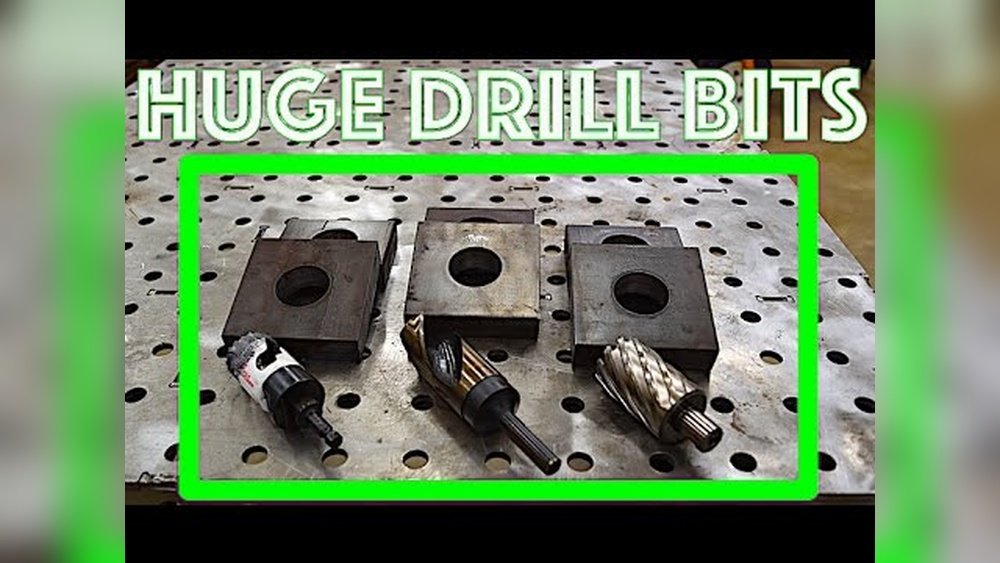
Twist drill bits are common and work well on many metals. They have a pointed tip that cuts through metal smoothly. Step drill bits are good for making larger holes. They drill different sizes with one bit. Cobalt bits are tougher and last longer on hard metals. Carbide bits are very strong and used for very thick or hard metal. Choosing the right type depends on the metal thickness and hardness.
Material And Coating Considerations
Drill bits come in different materials. High-speed steel (HSS) bits are good for soft to medium metals. Cobalt bits contain extra cobalt for heat resistance. They stay sharp longer on tough metals. Carbide-tipped bits are harder and resist wear well. Coatings improve bit life and performance. Titanium coating reduces friction and heat. Black oxide coating helps prevent rust and increases durability. Pick a bit material and coating that matches the metal and drilling speed.
Credit: newmexico-metals.com
Preparing The Metal Surface
Preparing the metal surface is a key step before drilling through thick metal. Proper preparation helps the drill bit stay in place and prevents slipping. It also ensures a clean, accurate hole. Take time to set up the surface correctly for better results and safety.
Marking The Drill Spot
Start by marking the exact spot where you want to drill. Use a permanent marker or a scribe tool. A clear mark guides your drill bit and stops it from wandering. For thick metal, create a small indentation with a center punch. Tap it lightly with a hammer. This dent holds the drill bit steady as you start drilling.
Securing The Metal Piece
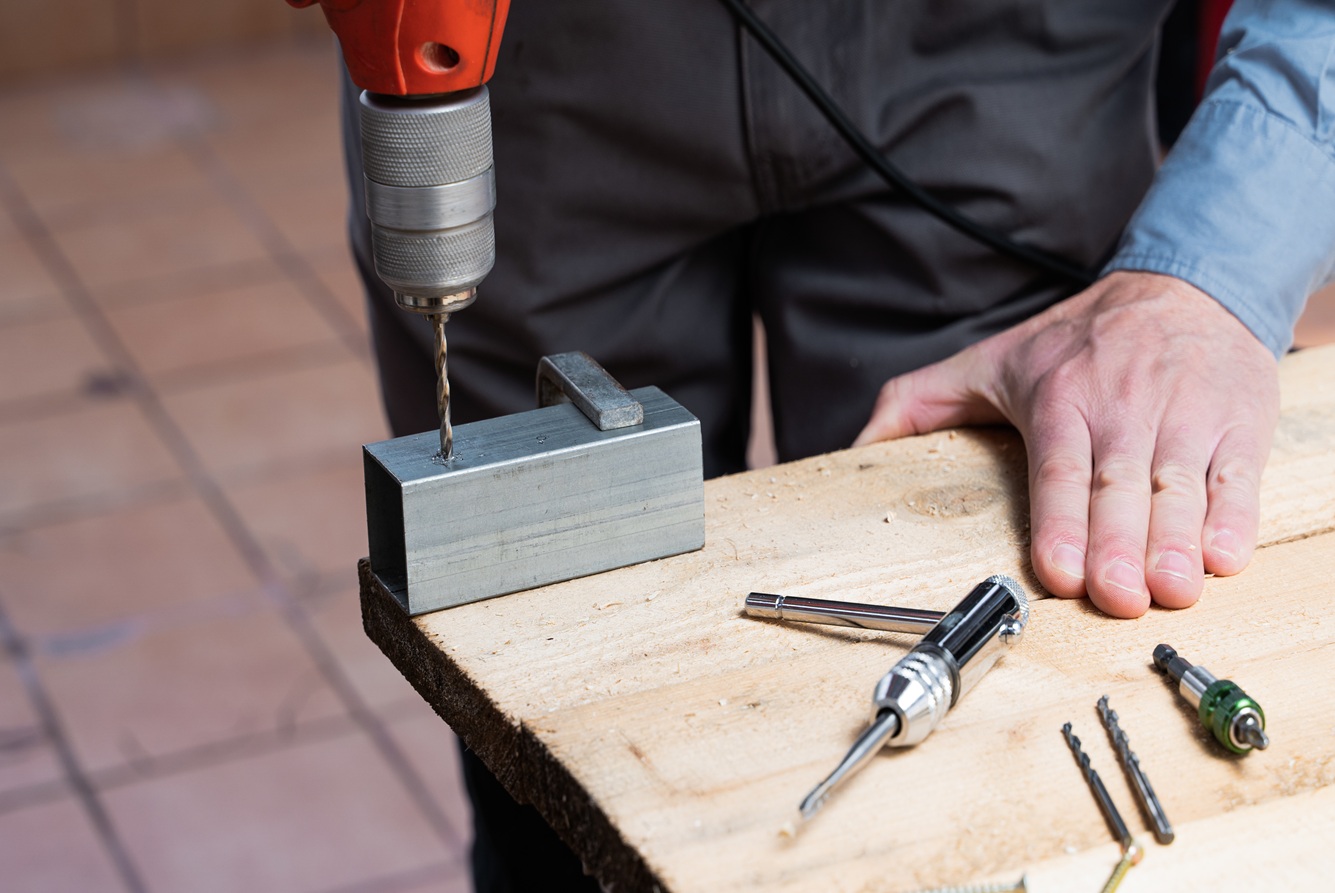
Secure the metal firmly before drilling. Use a clamp or a vise to hold it in place. Movement during drilling can cause mistakes or injury. Make sure the metal is tight and will not shift. A stable piece means safer work and cleaner holes. Never hold the metal by hand while drilling thick sheets.
Setting Up The Drill
Setting up the drill correctly is key to drilling through thick metal safely and efficiently. Proper setup helps protect the drill bit and the metal piece. It also makes the job easier and faster. Two important factors in setup include choosing the right drill speed and deciding between a drill press and a hand drill.
Selecting The Correct Speed
Drilling through thick metal needs a slow drill speed. High speeds create heat and can damage the drill bit. Use a low speed to keep the bit cool and sharp. Start with a slow speed and increase it slightly if needed. Always check the drill bit’s instructions for the best speed. Using the correct speed extends the life of the bit and gives a cleaner hole.
Using A Drill Press Vs. Hand Drill
A drill press offers better control and power for thick metal. It keeps the drill bit steady and straight. This reduces the chance of slipping or breaking the bit. A hand drill works but needs a steady hand and more effort. It may cause the hole to be uneven or off-center. For thick metal, a drill press is the best choice when available.
Drilling Techniques For Thick Metal
Drilling through thick metal requires specific techniques to make the job easier and safer. Using the right methods helps prevent damage to the drill bit and the metal. It also ensures a clean, precise hole every time. Follow these key techniques to drill through thick metal efficiently.
Starting With A Pilot Hole
Begin by drilling a small pilot hole before the main hole. This guides the larger drill bit and reduces slipping. A pilot hole also lowers the force needed to drill through thick metal. Use a small drill bit to create this hole at the exact spot.
Applying Steady Pressure
Press the drill steadily and avoid pushing too hard. Too much pressure can break the drill bit or damage the metal. Keep a firm grip and let the drill bit do the work. Slow, constant pressure helps the bit cut through thick metal smoothly.
Cooling Methods To Prevent Overheating
Drilling thick metal creates heat that can dull the drill bit. Use cooling methods like applying cutting oil or water. Pause occasionally to let the drill and metal cool down. Cooling keeps the drill bit sharp and extends its life.
Safety Tips While Drilling
Drilling through thick metal needs careful attention to safety. It is a tough job that can cause accidents if you are not cautious. Follow safety tips to protect yourself and work better.
Protective Gear To Wear
Always wear safety glasses to protect your eyes from metal chips. Use gloves to avoid cuts and burns. Wear ear protection to reduce noise from the drill. Use a mask to keep metal dust away from your lungs. Wear long sleeves and closed shoes for extra protection.
Avoiding Common Hazards
Keep your work area clean and free of clutter. Secure the metal piece firmly before drilling. Use the right drill bit for thick metal to avoid breaks. Avoid loose clothes or jewelry that can get caught. Do not force the drill; let it work at its own speed.
Finishing The Hole
After drilling through thick metal, finishing the hole is important. This step makes the hole safe and ready for use. It removes rough edges and checks the hole’s size and shape. Finishing protects you and ensures the hole works as planned.
Deburring And Smoothing Edges
Deburring removes sharp bits left after drilling. Use a deburring tool or sandpaper for this job. Smooth edges prevent cuts and make parts fit better. Work slowly and check often to avoid making the hole bigger. A clean edge improves the metal’s strength around the hole.
Inspecting The Hole Quality
Check the hole’s size with a ruler or caliper. Make sure it matches your needs. Look inside the hole for cracks or rough spots. These can cause problems later. A smooth, clean hole helps with assembly and keeps parts strong. Fix small problems before moving on.

Credit: www.familyhandyman.com
Frequently Asked Questions
What Drill Bit Is Best For Thick Metal?
For thick metal, use cobalt or titanium drill bits. They are durable, heat-resistant, and maintain sharpness longer. These bits cut through tough metals efficiently, reducing wear and improving precision.
How Can I Prevent Metal From Overheating While Drilling?
To avoid overheating, drill at a slow speed and apply light pressure. Use cutting oil or lubricant to cool the bit and metal. Pause frequently to allow cooling, preventing damage to both drill bit and metal.
Should I Use A Pilot Hole For Thick Metal Drilling?
Yes, drilling a pilot hole helps guide the larger bit. It reduces bit wear and prevents metal warping. Start with a small bit, then gradually increase size for cleaner, more accurate holes.
What Safety Precautions Are Needed When Drilling Thick Metal?
Wear safety goggles and gloves to protect against metal shards. Secure the metal firmly to prevent movement. Use hearing protection if noise levels are high. Always work in a well-ventilated area.
Conclusion
Drilling through thick metal takes patience and the right tools. Use sharp drill bits and steady pressure. Keep the metal cool by adding oil while drilling. Take breaks to avoid overheating the drill bit. Always wear safety gear to protect your eyes and hands.
Practice on scrap metal before working on your project. Following these steps helps you drill clean, accurate holes. Now, you can handle thick metal with confidence and care.
