


Filling nail gun holes is a simple process that restores your surface’s smoothness and appearance. In this guide, you’ll learn step-by-step how to patch and finish nail holes, whether you’re repairing drywall, wood, or other surfaces. With the right tools and techniques, you’ll achieve a seamless, professional look in no time.
Key Takeaways
- Use the right filler: Choose a suitable filler based on your surface type, such as spackle for drywall or wood filler for wooden surfaces.
- Preparation is key: Clean and sand the hole area before applying filler for best results.
- Apply filler properly: Use a putty knife to press the filler into the hole and smooth it out evenly.
- Sand and finish: Once dry, sand the area for a smooth surface and paint or finish as needed.
- Troubleshoot common issues: Learn how to fix overfilled or underfilled holes and avoid cracks or shrinkage.
- Practice safety: Wear protective gear when sanding or applying fillers to avoid inhaling dust or fumes.
Introduction
If you’ve ever used a nail gun, you know how quick and efficient it is for fastening materials. But sometimes, nail holes can mar the surface’s appearance, especially when you’re finishing a project or preparing for painting. Filling nail gun holes is a simple task, but doing it correctly ensures a clean, professional look. In this comprehensive guide, you’ll learn how to fill nail gun holes effectively, what tools and materials you’ll need, and tips for achieving the best results. Whether you’re repairing drywall, wood, or other surfaces, follow these steps to make your surfaces look flawless.
Tools and Materials Needed
- Filler: Spackle, wood filler, or joint compound depending on your surface
- Putty knife: For applying and smoothing the filler
- Sanding sponge or fine-grit sandpaper: To smooth the surface after drying
- Paint or stain: To match your surface color (optional)
- Primer (if necessary): For better adhesion on certain surfaces
- Cloth or damp sponge: For cleaning the area
- Protective gear: Mask and safety glasses
Step 1: Assess the Nail Hole
Identify and clean the area
Start by examining the nail holes you want to fill. Are they deep or shallow? Are the edges rough? Use a damp cloth or sponge to clean dust or debris around the holes. Removing dust ensures better adhesion of the filler.
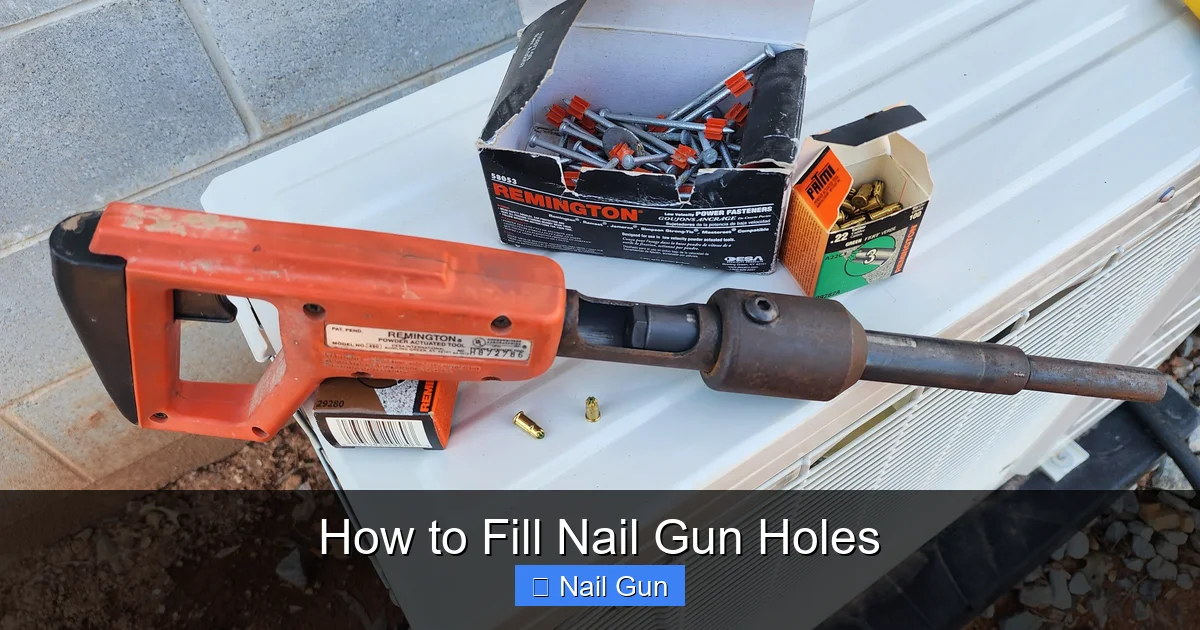
Visual guide about How to Fill Nail Gun Holes
Image source: i.redd.it

Visual guide about How to Fill Nail Gun Holes
Image source: vrdiy.com.my
Step 2: Prepare the Surface
Sanding and smoothing
If the edges of the nail holes are rough or splintered, lightly sand around the area with fine-grit sandpaper or a sanding sponge. This creates a smooth surface for the filler to adhere to and reduces the risk of cracks or unevenness later.
Step 3: Choose the Right Filler
Selecting the appropriate filler
The type of filler depends on your surface:
- Drywall: Use spackle or joint compound.
- Wood: Use wood filler or wood putty.
- Other surfaces: Use a suitable multi-surface filler.
Ensure the filler matches the surface and is compatible with any paint or stain you plan to apply afterward.
Step 4: Apply the Filler
Filling the hole
Using a putty knife, scoop a small amount of filler. Press it into the nail hole, making sure to fill it completely. Overfill slightly to compensate for shrinkage during drying. Smooth the surface with the putty knife, removing excess filler and creating a level surface.
Pro tip: Work quickly before the filler begins to dry. For larger holes, you may need to apply multiple layers, allowing each to dry before adding the next.
Step 5: Let the Filler Dry
Drying time and curing
Follow the manufacturer’s instructions for drying time. Usually, it takes 30 minutes to a few hours. Avoid touching or sanding until the filler is fully dry and hardened to prevent dents or cracks.
Tip: For deep or large holes, cover with masking tape to prevent excess filler from spilling out and to help contain the filler while drying.
Step 6: Sand and Smooth
Achieving a seamless finish
Once dry, gently sand the filled area with fine-grit sandpaper or a sanding sponge. Use light, circular motions to blend the patch into the surrounding surface. Wipe away dust with a damp cloth.
Tip: For a super smooth finish, you can apply a second layer of filler, let it dry, and sand again.
Step 7: Paint or Finish
Final touches
If your surface requires painting or staining, apply primer if needed, then paint or stain the repaired area to match the rest of the surface. Use a small brush for detailed work. Allow the finish to dry completely before handling or further work.
Additional Tips for Best Results
- Use quality materials: Cheap fillers may crack or shrink. Invest in good-quality products for a durable repair.
- Work in proper conditions: Avoid filling in very humid or cold environments, as these can affect drying times.
- Practice patience: Rushing the drying or sanding process can ruin the finish. Take your time for a professional look.
Troubleshooting Common Issues
- Cracks or shrinking after drying: Use a higher-quality filler designed for flexibility or apply multiple thin layers instead of one thick layer.
- Uneven surface after sanding: Feather the edges of the filler and sand gradually, checking progress frequently.
- Paint not adhering: Ensure the filler is fully dry and sanded smooth before painting. Use a primer if necessary.
Conclusion
Filling nail gun holes is a straightforward process that can dramatically improve the look of your surfaces. With the right tools, materials, and techniques, you can achieve a flawless, professional finish. Remember to prepare the area properly, apply the filler carefully, and sand thoroughly for the best results. Whether repairing drywall or wood, these steps will help you restore your surfaces quickly and effectively.
Happy Fixing!
Now that you know how to fill nail gun holes, you’re ready to tackle your next repair project with confidence. Keep practicing, and you’ll be able to achieve seamless, beautiful results every time!
