


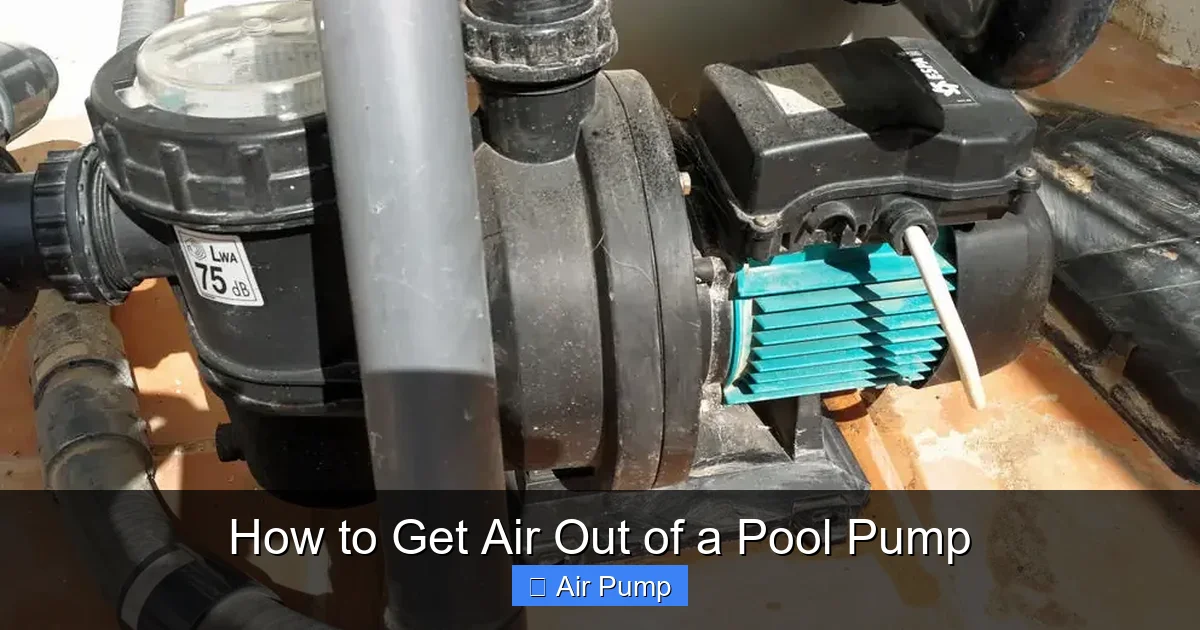
If your pool pump is making noise or not circulating water properly, there’s likely trapped air. Getting air out of a pool pump is essential for optimal performance. This guide walks you through simple steps to remove air, troubleshoot common issues, and keep your pool clean and clear.
Key Takeaways
- Identify trapped air: Air in the pump causes noise and poor circulation, so recognizing the signs is the first step.
- Prime the pump: Properly priming the pump removes air pockets and prepares it for efficient operation.
- Check valves and fittings: Loose or cracked connections can let air in, so inspect and tighten all fittings.
- Maintain water levels: Low water levels can cause air to enter the pump, so keep the water at the recommended level.
- Regular maintenance: Periodic inspection and cleaning prevent air buildup and keep your pump functioning well.
- Use the right tools: Utilize a garden hose, screwdriver, or pliers as needed to access and fix issues.
Introduction
If you’ve noticed your pool pump making strange noises, producing bubbles, or not circulating water properly, trapped air might be the culprit. Air in your pool pump can reduce its efficiency, cause damage over time, and make your pool less inviting. Fortunately, removing air from your pool pump is a straightforward process. In this comprehensive guide, you’ll learn step-by-step how to get the air out of your pool pump, troubleshoot common problems, and ensure your pool stays crystal clear and well-maintained.
Understanding Why Air Gets Trapped in Your Pool Pump
Before diving into the steps, it’s useful to understand why air gets trapped in the pump. Common reasons include:
Visual guide about How to Get Air Out of a Pool Pump
Image source: easypoolcleaning.com
- Low water levels in the pool
- Loose or cracked fittings and seals
- Opening the pump lid without priming
- Backwashing or cleaning the filter system
When air enters the pump, it creates bubbles, noise, and decreased circulation. Removing this air ensures your pump operates efficiently and prolongs its lifespan.
Tools and Materials Needed
- Pool pump manual (if available)
- Replacement O-rings or seals (if needed)
- Garden hose
- Screwdriver or pliers
- Clean cloth or rag
- Water source (for priming)
Step-by-Step Guide to Get Air Out of a Pool Pump
1. Turn Off the Pool Pump
Safety first
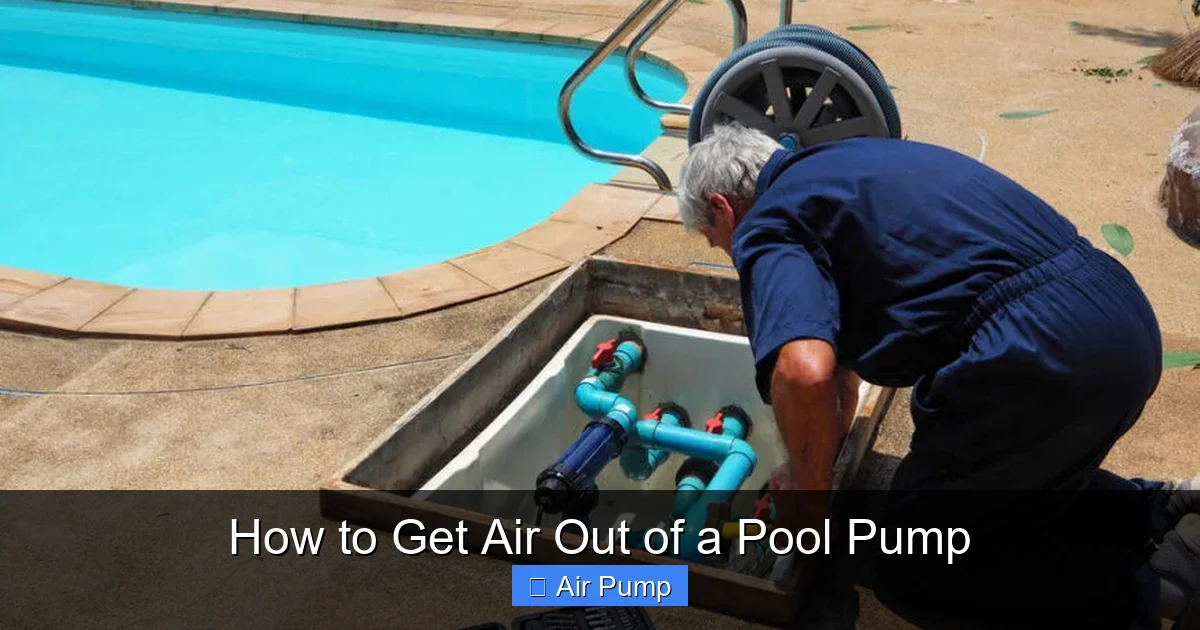
Always turn off and unplug your pool pump before starting any maintenance. This prevents injury or damage to the equipment.
Visual guide about How to Get Air Out of a Pool Pump
Image source: homestratosphere.com
Locate the power switch or circuit breaker dedicated to your pool equipment and switch it off.
2. Inspect the Pump and Connections
Visual check for leaks and loose fittings
Examine all hoses, fittings, and seals connected to the pump. Look for cracks, loose clamps, or leaks that might allow air to enter.
If you find any damage, replace the faulty parts before proceeding.
3. Open the Pump Lid and Check Water Levels
Access the pump basket
Remove the pump lid carefully. Most covers are secured with a threaded or clamp-type lid.
Ensure there’s enough water inside the pump basket. Low water levels cause air to enter the system.
If water is low, fill the pool to the proper level and top off the pump basket if needed.
4. Prime the Pump
Remove trapped air manually
After confirming the water level is sufficient, replace the lid securely.
Some pumps require manual priming. To do this:
- Open the air relief valve if your pump has one.
- Use a garden hose to fill the pump and suction line with water. Connect the hose to the pump’s inlet and turn on the faucet, allowing water to flow into the system.
- Keep the hose connected until water flows steadily from the air relief valve, indicating all air has been expelled.
Once water flows without bubbles, close the relief valve.
5. Bleed Air Using the Air Relief Valve
Use built-in valves or manually release air
If your pool pump has an air relief or air purge valve, open it slowly while the pump is running. This allows trapped air to escape.
Observe the water and air bubbles. When only water flows out, close the valve tightly.
6. Restart the Pool Pump
Test for proper operation
Turn the power back on to the pool pump. Observe the pump for:
- Steady water flow
- No excessive noise or vibration
- Absence of air bubbles in the return line
If the pump runs smoothly and water circulates properly, the air has been successfully removed.
7. Check and Tighten Fittings
Prevent future air leaks
Inspect all fittings, clamps, and seals around the pump and hoses. Tighten any loose connections using a screwdriver or pliers.
Replace worn or cracked O-rings or seals to prevent air from re-entering the system.
8. Maintain Proper Water Levels and Regular Checks
Keep your pump healthy
Consistently monitor your pool’s water level to prevent air from entering the pump. Maintain cleanliness by cleaning the filter regularly and inspecting hoses for leaks.
Scheduling routine maintenance will reduce the chances of air getting trapped and improve your pool’s overall health.
Troubleshooting Common Issues
- Pump still has air after priming: Check all fittings and seals for leaks. Re-prime the pump and ensure water is flowing properly.
- Persistent bubbles in the return line: Could indicate a crack or loose connection. Inspect thoroughly and replace damaged parts.
- Low water flow: Clean the filter, remove debris, and verify water level is correct.
- Pump keeps losing prime: Check for leaks in hoses or fittings, and replace worn seals.
Conclusion
Getting air out of your pool pump is an important part of regular pool maintenance. By following these simple steps—inspecting connections, priming the pump, and checking water levels—you can ensure your pump runs smoothly and your pool stays crystal clear. Regular maintenance and troubleshooting will prevent future air issues and prolong the life of your equipment. With a little effort, you’ll enjoy many seasons of clean, refreshing swimming.
