


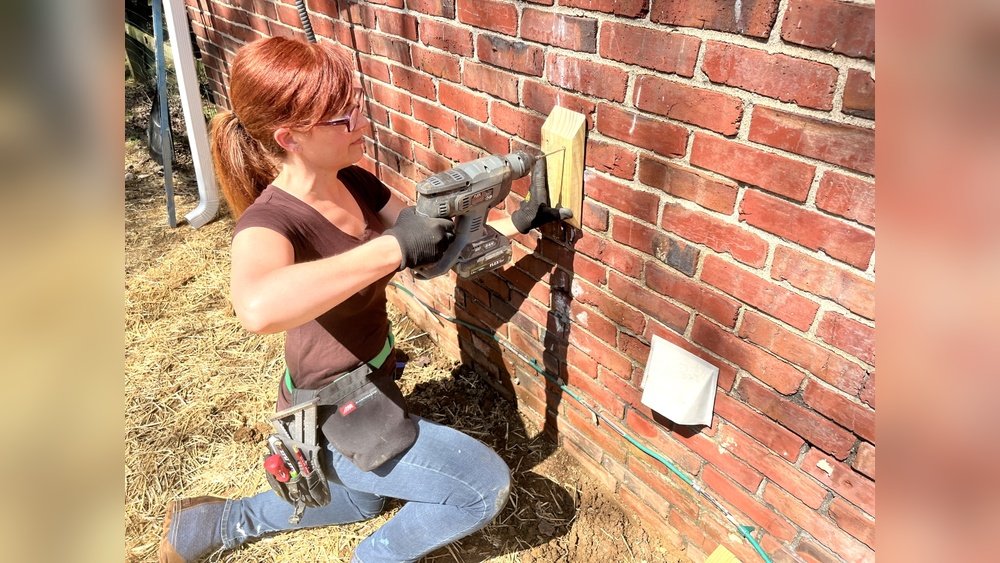
Are you ready to tackle that brick wall but unsure how to start drilling without damaging your tools or the surface? Hammer drilling into brick might seem tricky, but with the right steps, you can do it safely and effectively.
This guide will walk you through exactly what you need to know, so you can get your project done right the first time. Keep reading, and soon you’ll have the confidence to drill into brick like a pro.

Credit: www.reddit.com
Choosing The Right Hammer Drill
Choosing the right hammer drill is important for drilling into brick. The correct tool makes the job easier and faster. It also protects the drill and the brick from damage. Not all hammer drills work well with brick. Understanding the different types and features helps you pick the best one. Below are key points to consider.
Types Of Hammer Drills
There are two main types of hammer drills: rotary hammer and standard hammer drill. Standard hammer drills use a pounding action combined with rotation. They work well for light to medium brickwork. Rotary hammer drills use a piston mechanism to deliver stronger blows. They are better for heavy-duty brick and concrete jobs. Choose a type based on the size and hardness of the brick.
Key Features To Look For
Power is a top feature for brick drilling. Look for drills with at least 7 amps or higher. Variable speed control helps adjust drilling speed for better control. An SDS chuck allows easy and secure bit changes. A comfortable grip reduces hand fatigue during long jobs. Also, a hammer drill with a vibration reduction system makes work less tiring. These features improve precision and comfort.
Recommended Models For Brickwork
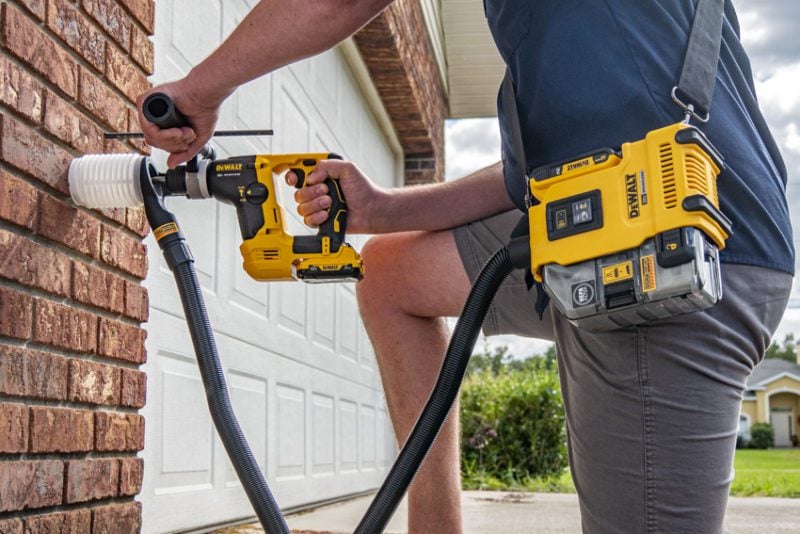
Some hammer drills suit brickwork better due to their power and durability. The Bosch 11255VSR is a reliable standard hammer drill. It offers good power and variable speed. The DEWALT D25133K is a strong rotary hammer drill. It handles tough brick and masonry well. Makita HR2475 is another solid choice with an SDS-plus chuck. These models balance performance and ease of use for brick projects.
Credit: www.aparel.net
Selecting The Correct Drill Bits
Selecting the correct drill bit is key to drilling into brick safely and efficiently. The right bit makes the job easier and prevents damage to your drill or the brick. Different bits suit different materials and drilling tasks. Choosing the best one saves time and effort.
Material And Coating Options
Drill bits come in various materials. Carbide-tipped bits are strong and good for brick. They last longer and resist wear. Steel bits are cheaper but wear out fast on hard surfaces. Some bits have coatings like titanium. Coatings reduce heat and increase bit life. For brick, choose carbide-tipped or diamond-coated bits. They handle tough materials better and drill cleaner holes.
Size And Shape For Brick
Pick the right size bit for your anchor or screw. Too small, and the hole is tight. Too large, and anchors won’t hold. Masonry bits have a special tip shape. It looks like a small arrow or triangle. This shape helps the bit cut through brick, not just push it. Avoid using wood or metal bits. They don’t work well on brick and wear out fast.
When To Replace Drill Bits
Dull bits slow your work and damage the brick. If your bit doesn’t cut smoothly, it needs replacing. Look for chips or cracks on the tip. Bent bits cause uneven holes and can break. Replace bits after heavy use or if they overheat. Using sharp, intact bits keeps drilling safe and effective.
Preparing The Work Area
Preparing the work area is the first step before drilling into brick. A clean, organized space helps you work safely and efficiently. It also protects your home and tools from damage. Taking time to prepare will make the job easier and faster.
Safety Gear Essentials
Wear safety glasses to protect your eyes from dust and debris. Use ear protection since hammer drills are loud. Gloves protect your hands from sharp edges and vibrations. Wear a dust mask to avoid breathing in brick dust. Dress in long sleeves and pants for extra protection.
Marking Drill Points Accurately
Use a pencil or chalk to mark where you want to drill. Measure twice to ensure the marks are correct. A tape measure or ruler helps keep marks even. Check the marks from different angles before drilling. Clear markings prevent mistakes and save time.
Protecting Surrounding Surfaces
Cover nearby areas with plastic sheets or drop cloths. This keeps dust and debris off furniture and floors. Tape the covers securely so they don’t move during drilling. Remove or move fragile items away from the work area. Clean-up will be easier and faster with protection in place.
Step-by-step Drilling Process
Drilling into brick requires care and the right steps. Following a clear process helps avoid damage and makes the job easier. The hammer drill is the best tool for this task. It combines rotation with a hammering action to break the hard brick surface.
Below is a simple, step-by-step guide to drill into brick safely and effectively. Each step focuses on one important part of the process.
Setting Up The Drill
Choose a hammer drill with a masonry bit. The bit should match the hole size needed. Attach the bit securely in the drill chuck. Wear safety goggles and gloves. Mark the drilling spot on the brick with a pencil or tape. Make sure the drill is set to hammer mode.
Starting With A Pilot Hole
Begin drilling slowly at the marked spot. Keep the drill steady and straight. Use light pressure to create a small pilot hole. This hole guides the larger drill bit. Stop and check the hole depth often. Do not rush; a slow start prevents cracks.
Maintaining Drill Angle And Pressure
Hold the drill at a 90-degree angle to the brick. This ensures a straight hole and reduces bit wear. Apply firm but steady pressure. Let the drill do the work; pushing too hard can break the brick. If the drill stops or slows, lift it slightly to clear dust.
Dealing With Dust And Debris
Brick dust builds up quickly and can block the hole. Stop drilling every few seconds to blow or brush out dust. Use a small vacuum or compressed air if available. Clearing dust keeps the bit sharp and the hole clean. Always clean the area before continuing.
Troubleshooting Common Issues
Troubleshooting common issues helps you work safely and efficiently. Problems like overheating, cracks, or slippage can slow down your project. Knowing how to fix these issues saves time and protects your tools and materials.
Overheating Drill Bits
Overheating drill bits can cause damage and reduce their life. Stop drilling if the bit feels very hot. Let it cool before continuing. Use water or a cooling spray to keep the bit cool during long drilling. Drill slowly and avoid pushing too hard. This helps prevent heat build-up.
Cracks And Damage Prevention
Drilling into brick can cause cracks if done carelessly. Use a small drill bit first to make a pilot hole. Drill at a steady speed without pressing too hard. Avoid drilling near edges or old damaged bricks. Protect the brick by using a piece of tape on the spot to reduce chipping.
Handling Drill Bit Slippage
Slippage wastes time and can cause injury. Start drilling with a small bit to create a guide hole. Hold the drill steady and keep it perpendicular to the surface. Use a drill with a hammer function to improve grip. Replace worn or dull bits as they slip more easily.

Credit: www.reddit.com
Post-drilling Tips
After drilling into brick, taking care of the hole and your tools is important. These steps help keep your work strong and your equipment ready for next time. Follow these tips to finish the job well and stay safe.
Cleaning The Hole
Clear dust and debris from the hole using a brush or compressed air. This cleaning ensures anchors fit tightly and stay secure. A clean hole improves the hold and prevents damage to anchors.
Inserting Anchors And Fasteners
Choose the right anchors for brick walls, like sleeve or expansion anchors. Gently tap the anchor into the hole until it is flush with the surface. Use the correct fasteners for your project to keep everything stable and safe.
Maintaining Your Tools
Clean drill bits after use to remove dust and residue. Check bits for wear or damage and replace if needed. Store your hammer drill and bits in a dry place to avoid rust and extend their life.
Frequently Asked Questions
What Drill Bit Is Best For Hammer Drilling Into Brick?
Use a masonry drill bit with a carbide tip for hammer drilling into brick. It is designed to handle the hard surface and prevents damage to the drill bit or brick. Ensure the bit size matches the anchor or screw you plan to use.
How Do I Prepare Brick For Hammer Drilling?
Clean the brick surface from dust and debris before drilling. Mark the drilling spot with a pencil or marker. Wear safety goggles and gloves to protect yourself during the process. Use a hammer drill set to the hammer mode for best results.
Can I Hammer Drill Without A Hammer Drill Tool?
Drilling into brick without a hammer drill is possible but not recommended. A regular drill may overheat or take longer. A hammer drill delivers rapid hammering action, making the job easier and faster while reducing bit wear.
How Deep Should I Drill Into Brick?
Drill to a depth slightly longer than the anchor or screw length. Typically, 1 to 2 inches deep is sufficient for most wall anchors. Use a depth stop or tape on the drill bit to maintain consistent depth.
Conclusion
Drilling into brick takes patience and the right tools. Choose a proper hammer drill and bit for best results. Always wear safety gear to protect yourself. Start slowly, then increase speed as the drill bites in. Keep the drill steady and let it do the work.
Clean dust from the hole before inserting anchors. Follow these steps to make your project easier and safer. Practice makes drilling smoother and more accurate each time. Keep these tips in mind for any brick drilling task.
